Maruti Suzuki is gearing up for a significant market push, with new Maruti cars coming soon to India. The nation’s largest carmaker is preparing one of its most ambitious product offensives yet, planning to launch nine new models over the next three years. This aggressive strategy underscores Maruti’s determination to maintain its market dominance amidst intensifying competition and evolving consumer preferences, particularly in the rapidly expanding SUV segment and the burgeoning electric vehicle market.
The Story: Maruti’s Nine-Model Blueprint
The core of Maruti Suzuki’s upcoming strategy involves the introduction of nine new models to the Indian market within the next three years. A striking seven of these upcoming vehicles will be SUVs, a clear indication of the company’s laser focus on this high-growth segment. Maruti already enjoys robust demand for its existing SUV lineup, including the Fronx, Brezza, and Grand Vitara, and these new additions are designed to solidify and expand that position across various price points and customer demographics.
Beyond the sheer volume of new models, the diversification of powertrain options stands out. Maruti is not solely relying on traditional petrol engines. The planned lineup will encompass hybrids, flex-fuel vehicles, and fully electric cars. This multi-pronged approach aims to address increasingly stringent emission norms and cater to a consumer base that is gradually shifting towards more sustainable and fuel-efficient options. The inclusion of flex-fuel vehicles also highlights a forward-looking strategy, anticipating future fuel policy changes and consumer needs.
Impact Analysis: Reshaping India’s Automotive Landscape
Maruti Suzuki’s expansive launch plan, particularly the emphasis on new Maruti cars coming soon in the SUV and electrified segments, is poised to significantly impact the broader Indian automotive landscape. As the market leader, Maruti’s strategic shifts often dictate industry trends. The influx of seven new SUVs will undoubtedly intensify competition, potentially forcing rivals to accelerate their own product development cycles and diversify their offerings to retain market share. The move also signals a maturing Indian market where consumers are increasingly willing to pay a premium for vehicles perceived as more versatile and aspirational.
The commitment to EVs and hybrids is equally crucial. While EV adoption in India is still nascent compared to global leaders, Maruti’s entry into this space with multiple models could provide the critical mass needed to accelerate consumer acceptance. Its extensive sales and service network could prove to be a significant advantage, making electric and hybrid vehicles more accessible across the country. This diversification is not just about sales; it’s about future-proofing Maruti’s portfolio against evolving environmental regulations and consumer demands for greener mobility solutions.
Context & Background: A Market in Flux
Maruti Suzuki’s aggressive product roadmap comes at a pivotal time for the Indian automotive industry. The passenger vehicle market has witnessed sustained growth, largely fueled by the surging popularity of SUVs. Consumers are increasingly valuing higher ground clearance, commanding road presence, and versatile interiors, pushing traditional hatchback and sedan segments into a gradual decline. This trend is evident in Maruti’s own sales figures, which recently hit a record 1.90 lakh units in May, with exports also impressive at nearly 42,000 units, growing over 34%.
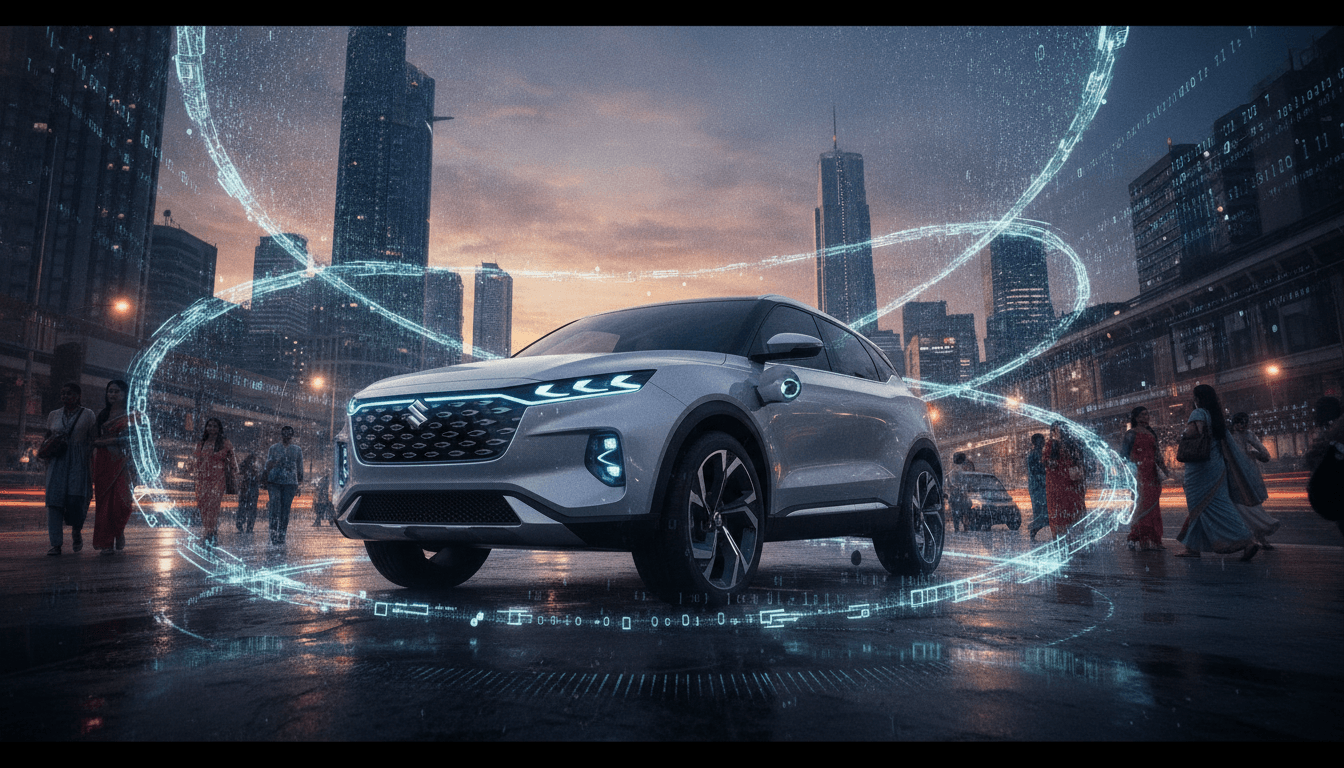
Technological advancements are also playing a critical role in Maruti’s strategy. The company is embracing artificial intelligence (AI) and machine learning to streamline its development processes, aiming to reduce the vehicle development cycle from 48 months to a more agile 36 months.
“By using AI-powered simulations and virtual testing, engineers can identify and resolve issues much earlier in the development process,” speeding up time-to-market and enhancing efficiency.
This integration of AI, coupled with a focus on higher localization levels exceeding 80%, demonstrates a holistic approach to cost reduction, supply chain resilience, and faster production ramp-up.
What’s Next: The Race for Market Dominance
The coming years will see Maruti Suzuki execute this ambitious product strategy. The sequential launch of these nine models, particularly the seven SUVs, will be closely watched by competitors and analysts alike. The success of its EV and hybrid offerings will be a key indicator of India’s readiness for widespread electrification and Maruti’s ability to adapt its core strengths to new technologies. The continuous refinement of AI-driven development processes and strengthened supplier partnerships will also be crucial for maintaining its competitive edge.
The competitive landscape will undoubtedly intensify, with players like Hyundai and Tata Motors also investing heavily in SUVs and EVs. Maruti’s ability to price these new offerings competitively, ensure robust after-sales service, and build consumer trust in its new powertrain technologies will be paramount to its continued success.
Key Takeaway: Maruti’s Future-Forward Strategy
Maruti Suzuki’s announcement of new Maruti cars coming soon – encompassing seven SUVs, multiple EVs, and hybrids – signifies a comprehensive and forward-looking strategy. It’s a clear statement of intent to not only defend but expand its market leadership in India by aligning with current consumer trends towards SUVs and preparing for the future of mobility through electrification and advanced manufacturing techniques. This strategic pivot, backed by technological integration and localization efforts, positions Maruti to navigate the evolving automotive landscape and reinforce its dominance in one of the world’s most dynamic car markets.