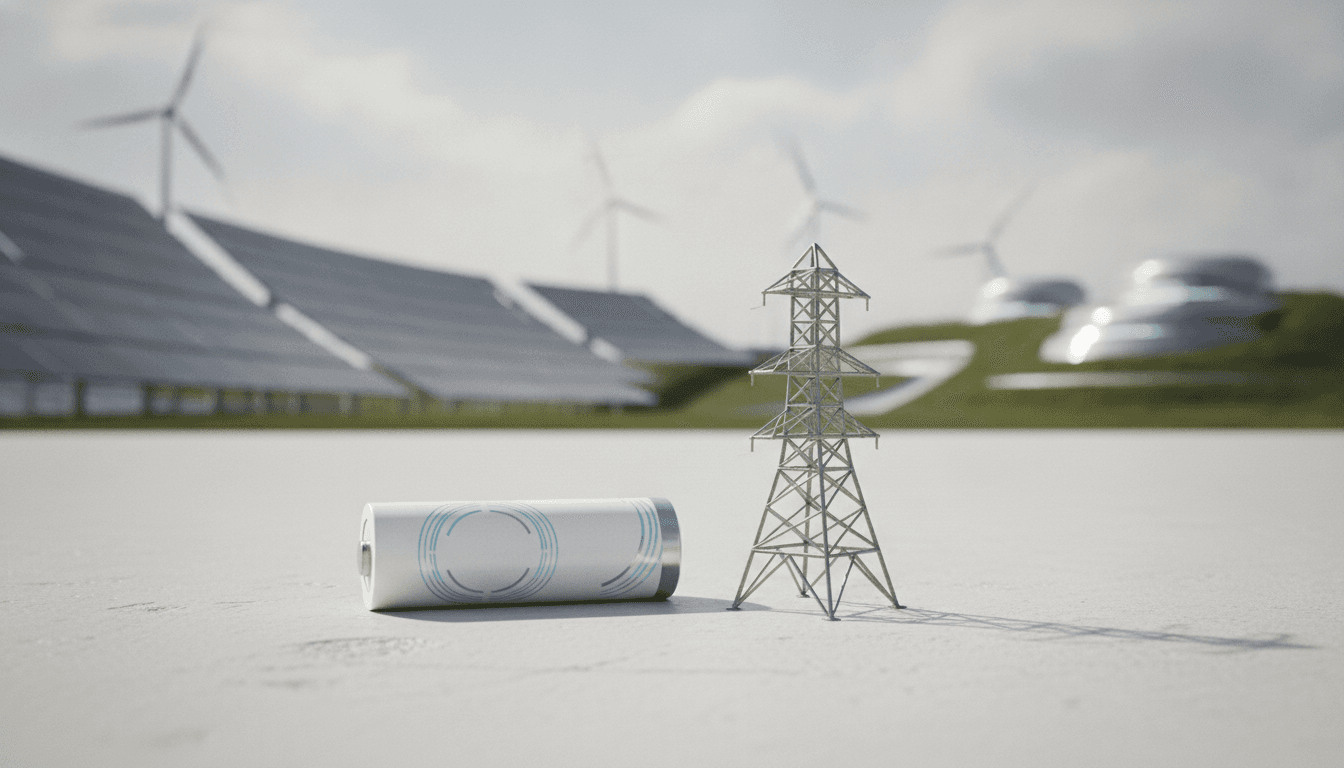
General Motors’ recent partnership with Peak Energy to develop sodium-ion batteries for grid storage marks a significant strategic pivot, signaling the automotive giant’s expanded ambitions beyond electric vehicles into the broader energy infrastructure landscape. Announced on Thursday, June 11, 2026, this collaboration is poised to address critical challenges in renewable energy integration and grid stability, leveraging a battery chemistry known for its abundance and lower cost compared to traditional lithium-ion alternatives.
The alliance brings together GM, a titan in manufacturing and technological innovation, with Peak Energy, a specialist in advanced battery solutions. While the specific financial terms and detailed development timelines were not immediately disclosed, the focus on grid storage applications is clear. This move indicates GM’s intent to diversify its battery technology portfolio and apply its engineering prowess to stationary energy storage, a rapidly growing sector crucial for the global transition to sustainable energy.
Impact Analysis of Sodium-Ion Batteries
The development of sodium-ion batteries for grid storage has profound implications for the energy sector and, by extension, the automotive industry. For years, lithium-ion technology has dominated both EV propulsion and grid-scale storage, but concerns around lithium availability, geopolitical supply chain vulnerabilities, and escalating raw material costs have spurred intense research into alternatives. Sodium-ion chemistry, utilizing a widely abundant and inexpensive element, offers a compelling solution to these challenges.
For GM, this partnership represents a strategic de-risking against over-reliance on a single battery chemistry. While the company continues to invest heavily in lithium-ion for its Ultium platform powering its EV lineup, exploring sodium-ion for stationary applications allows for a complementary, rather than competitive, use of resources. This diversification could also create new revenue streams and establish GM as a key player in the burgeoning energy storage market, potentially supplying utilities and large-scale renewable projects.
“The push towards sodium-ion for grid storage is a pragmatic and forward-thinking strategy. It acknowledges the inherent limitations and cost pressures of lithium-ion at scale, particularly for applications where energy density is less critical than cost and raw material security.”
The broader automotive and EV landscape will also feel the ripple effects. As battery technology advances and differentiates between mobile and stationary applications, it could free up lithium supplies for high-performance EVs, potentially easing some of the market pressure on critical minerals. Furthermore, GM’s involvement lends significant credibility and engineering muscle to sodium-ion development, which could accelerate its commercialization and adoption across the industry.
Context and Industry Trends
This partnership does not occur in a vacuum. The energy storage market is experiencing unprecedented growth, driven by the increasing penetration of intermittent renewable energy sources like solar and wind. Utilities and grid operators worldwide are desperately seeking reliable, cost-effective storage solutions to ensure grid stability and optimize energy dispatch. Current projections indicate a multi-trillion-dollar market for grid storage over the next two decades. Related automotive & ev articles have frequently highlighted the increasing convergence of automotive and energy sectors.
Several battery manufacturers globally have been quietly advancing sodium-ion technology, but a major automotive OEM like GM throwing its weight behind it signals a potential tipping point. The chemistry itself has been known for decades, but recent breakthroughs in material science and manufacturing processes have made it commercially viable. Sodium-ion batteries typically offer lower energy density than lithium-ion, making them less ideal for long-range EVs where weight is paramount, but perfectly suited for stationary grid applications where footprint and cost are primary considerations.
What’s Next for Sodium-Ion Batteries
The immediate next steps will likely involve intensive research and development, pilot projects, and the establishment of manufacturing capabilities. GM’s vast experience in scaling production and its robust supply chain network will be invaluable to Peak Energy. We can anticipate announcements regarding specific pilot installations with utility partners or renewable energy developers in the coming months or years. Regulatory frameworks and incentive programs for grid storage will also play a crucial role in accelerating deployment.
Longer-term, success in grid storage could pave the way for a more diversified battery ecosystem. While sodium-ion is unlikely to fully replace lithium-ion in EVs in the near future, its widespread adoption in stationary applications could significantly impact global mineral markets and reduce the overall cost of renewable energy integration. This strategic move could also position GM as a leader in comprehensive energy solutions, not just vehicle manufacturing, potentially redefining its identity in the 21st century.
The partnership between General Motors and Peak Energy to develop sodium-ion batteries for grid storage is a clear indicator of the automotive industry’s evolving role in the broader energy transition. It underscores a strategic imperative to diversify battery chemistries, secure supply chains, and tap into new market opportunities beyond vehicle propulsion. This collaboration could prove to be a landmark moment, accelerating the commercial viability of sodium-ion technology and contributing significantly to a more stable, sustainable, and cost-effective energy future. Explore more on battery technology breakthroughs.