The battle for total ownership cost supremacy between an electric vehicle and a gasoline car has significantly intensified in 2026, with new analyses suggesting that EVs are increasingly becoming the more economical choice over a five-year period, particularly for high-mileage drivers. This shift, highlighted by a recent mibolsillo.co report on Sunday, June 7, 2026, reflects a maturing electric vehicle market where declining prices and lower operating expenses are starting to outweigh the traditional advantages of internal combustion engine (ICE) vehicles.
For years, the higher upfront cost of electric vehicles presented a formidable barrier for many consumers. However, as Bruno Berrueta of mibolsillo.co points out, while gasoline models often retain an initial affordability edge, this gap is narrowing. “Even as EV prices continue to decline and manufacturers introduce more budget-friendly options,” Berrueta notes, the effective purchase price of electric vehicles is now much closer to that of traditional gasoline cars in some markets, thanks to robust tax incentives, manufacturer discounts, and heightened competition.
EV vs. Gasoline Car: Fuel and Maintenance Savings Drive the Shift
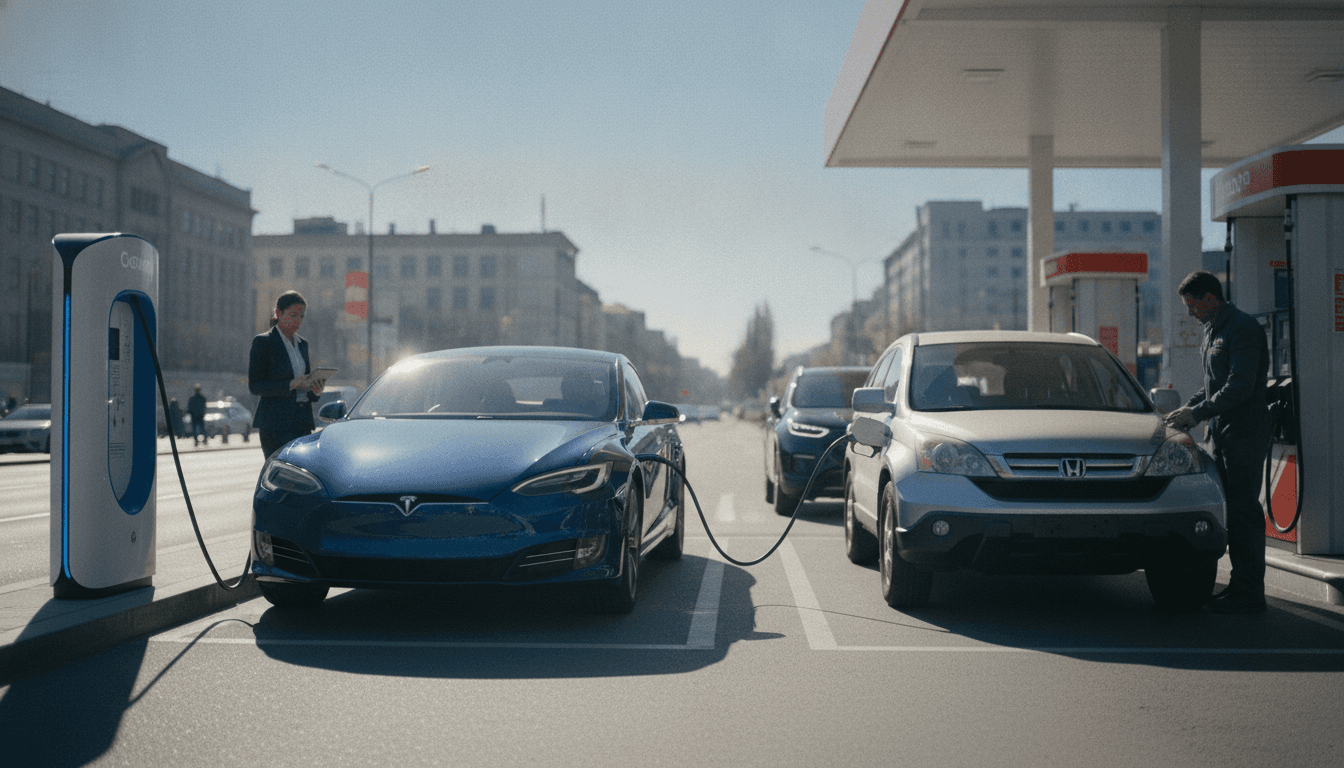
The most substantial financial advantages for electric vehicles emerge in their operational costs. Over a five-year ownership period, fuel expenses typically represent one of the largest outlays for drivers. EVs, especially those primarily charged at home, boast significantly lower per-mile operating costs. This economic benefit is further amplified by the ongoing volatility and upward trend in gasoline prices, making the predictable and often cheaper cost of electricity an increasingly attractive proposition.
Maintenance is another critical area where electric vehicles demonstrate superior long-term value. The inherent simplicity of an EV powertrain, devoid of oil changes, spark plugs, and complex exhaust systems, translates directly into reduced routine service needs. Furthermore, regenerative braking technology in EVs significantly lessens wear and tear on traditional braking components, extending their lifespan and further decreasing maintenance expenditures compared to their gasoline counterparts.
Navigating the Nuances: Hidden Costs and Depreciation
Despite the compelling operational savings, prospective EV owners must remain cognizant of certain hidden costs. Insurance premiums, for instance, can sometimes be higher for electric vehicles, particularly newer models equipped with cutting-edge technology and expensive battery packs. Post-accident repair costs can also exceed those for comparable gasoline vehicles in specific scenarios, largely due to specialized components and fewer repair facilities equipped for complex EV repairs. Related automotive & ev articles frequently discuss these evolving insurance and repair market dynamics.
“While electric vehicles often carry higher upfront prices, lower operating expenses have made them increasingly attractive to drivers planning to keep their vehicles for several years.”
Depreciation also remains a nuanced factor. While the EV market has matured considerably, resale values are not uniform. They can fluctuate widely based on the manufacturer’s brand reputation, the specific battery technology employed, the availability of charging infrastructure in a given region, and the prevailing consumer demand at the point of resale. This variability means that while some EV models hold their value exceptionally well, others might see more significant depreciation, impacting the overall five-year ownership cost.
Strategic Choices for 2026 Buyers
Ultimately, the mibolsillo.co analysis concludes that the financial prudence of choosing an electric vehicle versus a gasoline car in 2026 hinges significantly on individual driving habits and circumstances. For consumers who commute extensively and have convenient access to home charging solutions, the reduced fuel and maintenance expenses of an EV are likely to offset the higher initial purchase price, making it the more cost-effective option over a five-year horizon.
Conversely, buyers with lower annual mileage, limited access to reliable charging infrastructure, or those for whom the absolute lowest upfront cost is paramount, might still find a gasoline-powered vehicle to be the more financially sensible choice. The decision in 2026 is less about a universal declaration of superiority for one powertrain over another, and more about a personalized calculation influenced by local energy prices, available purchase incentives, and long-term ownership goals. The automotive landscape is clearly moving towards a future where total cost of ownership, rather than just sticker price, dictates consumer choices, pushing manufacturers to innovate further in both affordability and efficiency.