The US-Iran ceasefire must continue, a critical plea issued by the United Nations Secretary-General on April 14, 2026, underscoring the delicate balance of power and the imperative for de-escalation in a perennially volatile region. This urgent call for sustained peace and respect for international law highlights the ongoing efforts to prevent a broader conflagration and maintain a fragile stability.
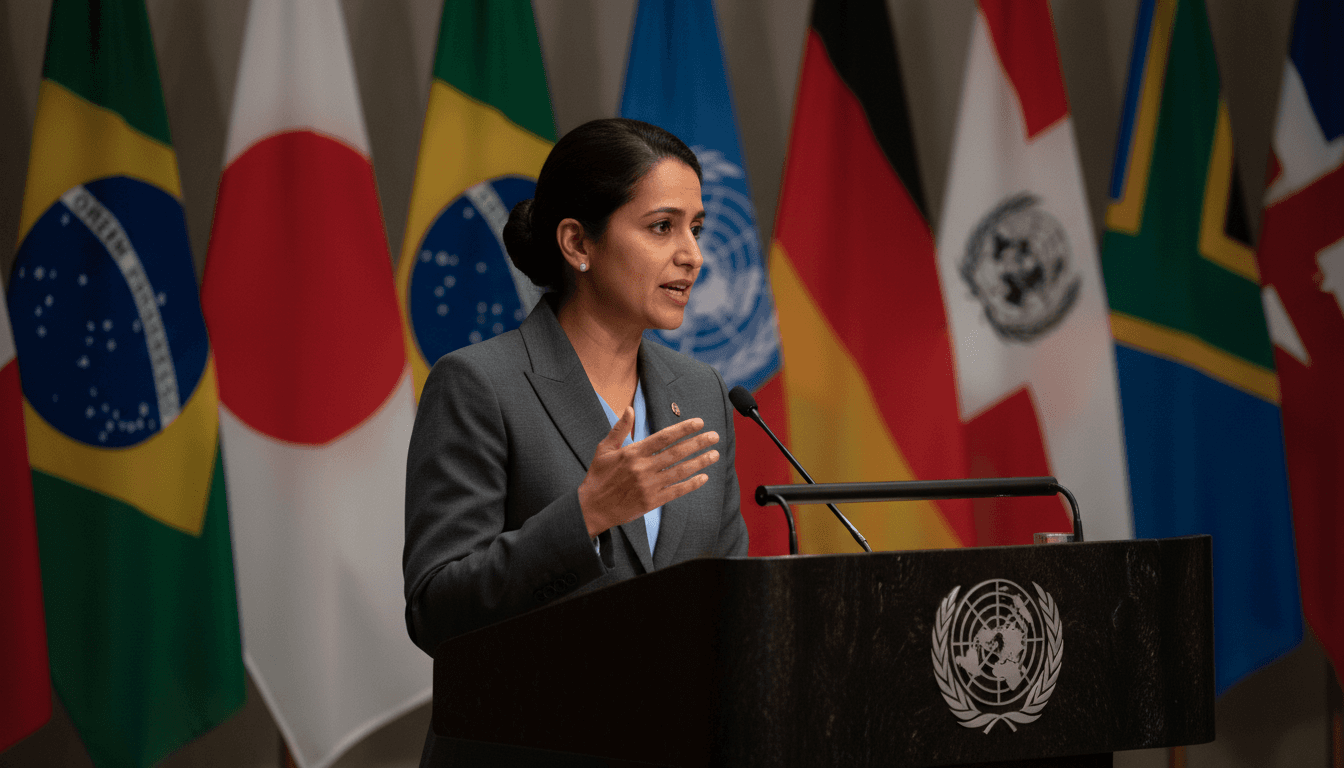
The UN chief’s statement, delivered amidst a live Middle East update, specifically addressed the necessity for both the United States and Iran to uphold the existing cessation of hostilities. While the exact terms and duration of this specific ceasefire were not detailed in the available information, the emphasis on its continuation suggests a prior agreement or understanding that has successfully, if temporarily, curbed direct conflict between the two nations. The United Nations, as a global arbiter, consistently advocates for diplomatic solutions and adherence to established international norms, particularly when major powers are involved in potential flashpoints. The call for respect for international law is a fundamental pillar of UN policy, aimed at ensuring state conduct aligns with global agreements and conventions, thereby preventing unilateral actions that could destabilize regions and global security.
Impact Analysis
The UN Secretary-General’s intervention carries significant weight, signaling international concern over the potential for renewed hostilities between the US and Iran. Such a conflict would not only destabilize the Middle East further but also send shockwaves through global energy markets and international trade routes. The ongoing regional security dynamics are already complex, with numerous proxy conflicts and geopolitical rivalries at play. A direct confrontation between the US and Iran would inevitably draw in other regional and global actors, potentially leading to an unprecedented humanitarian crisis and a severe blow to the global economy. The call for the US-Iran ceasefire to continue is therefore not merely a diplomatic nicety but a strategic imperative for global stability.
“The continuation of the US-Iran ceasefire is paramount for regional stability and global economic security, preventing a return to a dangerous cycle of escalation.”
The plea for respect for international law also implicitly serves as a reminder to both nations, and indeed to all states, that their actions are scrutinized by the global community. In an era where multilateralism is often challenged, the UN’s voice remains crucial in championing a rules-based international order. This specific statement comes at a time when geopolitical tensions remain high across multiple fronts, making any potential easing of US-Iran tensions a welcome development for investors and policymakers alike.
Context & Background
The relationship between the United States and Iran has been fraught with tension for decades, marked by periods of intense confrontation and limited diplomatic engagement. This long-standing animosity has historical roots stretching back to the 1979 Iranian Revolution and has manifested in various forms, including economic sanctions, proxy conflicts in the Middle East, and direct military encounters. Previous efforts to de-escalate tensions, such as the 2015 Iran nuclear deal (JCPOA), have seen mixed success and have often been subject to political shifts in both countries. The current US-Iran ceasefire, while not fully detailed in its origins, likely emerged from a period of heightened risk, possibly brokered through third-party diplomacy or implicit understandings to avoid direct clashes. The UN’s involvement underscores the international community’s persistent concern over this critical geopolitical fault line.
What’s Next for the US-Iran Ceasefire?
The immediate future hinges on the willingness of both the United States and Iran to heed the UN chief’s call and maintain the current US-Iran ceasefire. While the UN Secretary-General can exert moral and diplomatic pressure, the ultimate decision rests with the respective leaderships in Washington and Tehran. Upcoming decisions will likely involve continued back-channel negotiations, potential confidence-building measures, and a cautious approach to military deployments in the region. Analysts will be closely watching for any statements or actions from either side that could indicate a departure from the current cessation of hostilities. The international community, led by the UN, will undoubtedly continue to advocate for dialogue and de-escalation, recognizing that the alternative carries profound global risks. The persistence of the US-Iran ceasefire is crucial for preventing a wider conflict and fostering an environment conducive to long-term stability.
Key Takeaway
The UN Secretary-General’s emphatic call for the continuation of the US-Iran ceasefire and adherence to international law on April 14, 2026, serves as a stark reminder of the fragile peace in the Middle East and the global imperative to avert large-scale conflict. This intervention highlights the critical role of multilateral institutions in navigating complex geopolitical landscapes and underscores the high stakes involved in the relationship between two powerful nations. The global community’s stability and economic well-being are intrinsically linked to the diplomatic efforts to maintain this delicate balance, making the sustained US-Iran ceasefire a cornerstone of current international security.