Trump’s AI image sparks global theological crisis, a development that has sent ripples through religious communities and geopolitical circles alike since its emergence on Tuesday, April 14, 2026. The digitally rendered depiction of the former U.S. President has inadvertently ignited a profound debate concerning the intersection of artificial intelligence, religious iconography, and the very nature of belief in an increasingly digital world.
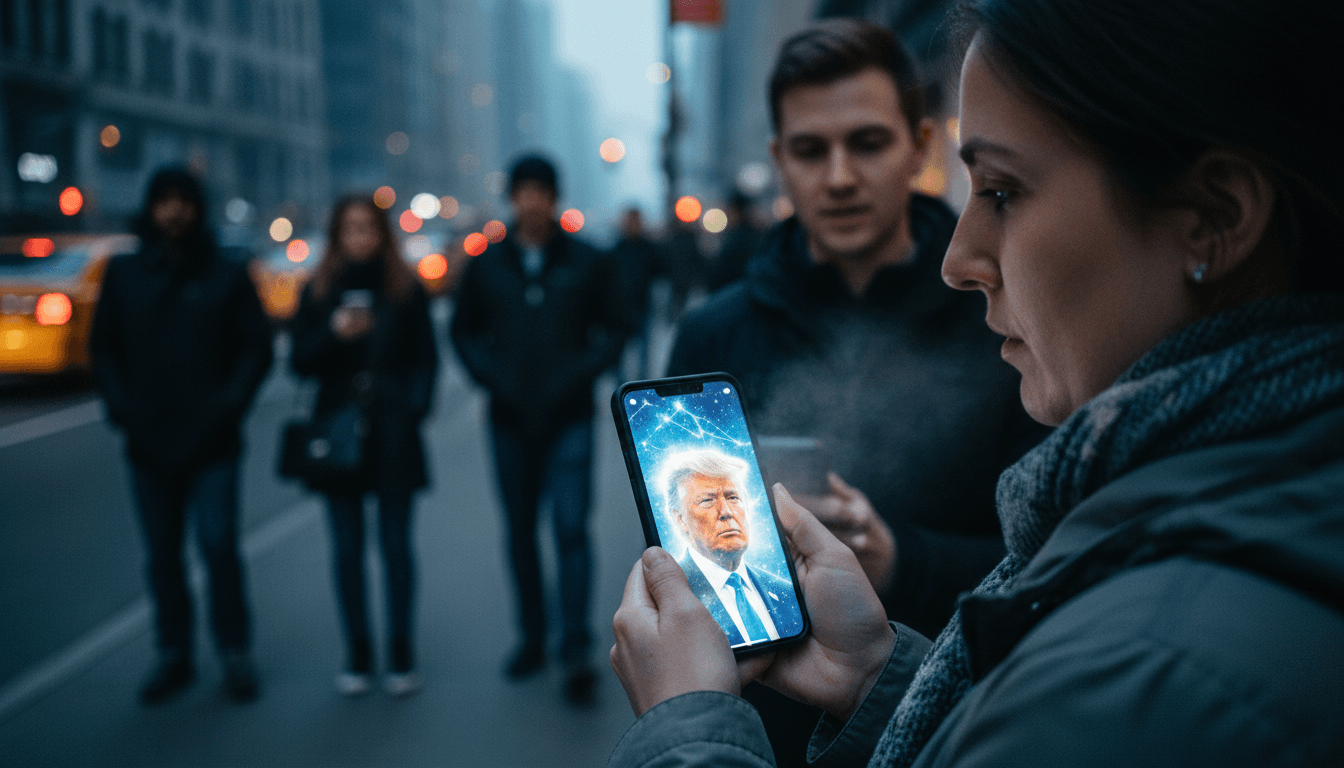
The image, distributed widely across various digital platforms, features Donald Trump in a manner that many have interpreted as messianic or divinely appointed. While the original intent behind its creation remains unclear – whether it was a piece of political satire, an artistic endeavor, or a deliberate campaign tactic – its impact has been anything but ambiguous. Religious leaders from diverse faiths have voiced concerns, ranging from condemnations of sacrilege to warnings about the blurring lines between digital manipulation and spiritual veneration. The image has inadvertently become a Rorschach test for modern society’s anxieties about AI’s capacity to shape perception and belief.
Impact Analysis
The immediate aftermath of the image’s viral spread has been a surge in theological discourse, particularly within Abrahamic religions where the concept of a ‘messiah’ holds immense significance. For some, the image is a blasphemous appropriation of sacred imagery for political ends, a dangerous precedent set by the uncritical embrace of AI-generated content. Others, particularly within certain evangelical Christian factions, have interpreted the image as a ‘sign’ or a confirmation of existing prophecies, further solidifying their conviction in Trump’s role within a divine plan. This divergence in interpretation has not only deepened existing ideological divides but has also introduced a new dimension to interfaith dialogue, forcing religious institutions to grapple with the ethical implications of AI-generated spiritual content.
Geopolitically, the controversy surrounding Trump’s AI image sparks global theological crisis has added another layer of complexity to international relations. Nations with significant religious populations are finding themselves navigating internal unrest and external scrutiny. Governments are facing pressure to address the spread of potentially inflammatory digital content while upholding principles of free speech. The incident underscores the growing challenge posed by deepfake technology and AI-generated media, not just in terms of misinformation, but in its potential to destabilize social and religious harmony on a global scale. Related world news articles have often highlighted the increasing sophistication of AI in manipulating public opinion, but this incident marks a critical escalation into the realm of spiritual belief.
“The speed at which an AI-generated image can ignite such profound theological and geopolitical debate is a stark reminder of the ethical void we are collectively entering. It’s not just about what’s real or fake anymore; it’s about what people are willing to believe, and how easily that belief can be influenced by technology.”
The incident also raises crucial questions about the future of digital literacy and critical thinking. In an era where AI can produce hyper-realistic images and narratives, discerning truth from fabrication becomes increasingly difficult, especially when the content taps into deeply held beliefs. Educational institutions and media organizations are now under renewed pressure to develop strategies for equipping the public with the tools necessary to navigate this complex digital landscape.
Context & Background
The emergence of Trump’s AI image is not an isolated event but rather a culmination of several converging trends. The rapid advancement of generative AI technologies has made it possible for anyone with access to the right tools to create highly convincing visual content. This technological leap has outpaced regulatory frameworks and societal preparedness, leading to a Wild West scenario in the digital realm. Furthermore, the political polarization that has characterized the past decade, particularly in the United States, has created fertile ground for such imagery to take root and propagate. Donald Trump’s presidency itself was marked by fervent support from certain religious groups, making him a particularly potent figure for such AI-generated ‘messianic’ portrayals.
Historically, religious iconography has always been a powerful tool for shaping belief and allegiance. From ancient sculptures to Renaissance paintings, visual representations have played a crucial role in disseminating religious narratives. The difference now is the democratized access to creation and distribution, coupled with the unparalleled realism offered by AI. This has effectively put the power to generate and spread potentially sacred or sacrilegious imagery into the hands of anyone, bypassing traditional gatekeepers of religious authority and media scrutiny. The incident serves as a powerful illustration of how technology can disrupt established social and spiritual hierarchies. For more on the broader implications of AI, see our analysis of technological disruptions.
What’s Next
The fallout from Trump’s AI image sparks global theological crisis is likely to be multifaceted and long-lasting. We can anticipate increased calls for international regulations on AI-generated content, particularly concerning its use in political and religious contexts. Tech companies will face renewed pressure to develop more robust detection mechanisms for AI-generated media and to implement stricter content moderation policies. However, striking a balance between combating misinformation and upholding freedom of expression will be a delicate and contentious task.
Within religious communities, the debate will likely continue to evolve. Some institutions may seek to issue clearer theological guidance on the ethics of AI and digital imagery, while others might find themselves struggling to adapt to the new realities of belief formation in a digital age. The incident could also spur further academic research into the psychology of belief in the age of AI, exploring how digital representations influence spiritual and political convictions. The 2026 U.S. midterm elections, scheduled for later this year, could also see renewed scrutiny on AI-generated political content, with the Trump AI image serving as a cautionary tale.
Key Takeaway
The profound and immediate impact of Trump’s AI image sparks global theological crisis underscores a critical juncture in human history. It highlights not just the immense power of artificial intelligence to shape perception, but also the enduring human need for meaning, belief, and narrative, even if those narratives are digitally fabricated. The incident is a stark reminder that as technology advances, the challenges to societal cohesion and spiritual understanding become increasingly complex, demanding a global, interdisciplinary approach to navigate the ethical, theological, and political landscapes of the 21st century. How societies collectively respond to this new frontier of digital faith and manipulation will define the trajectory of global discourse for decades to come.