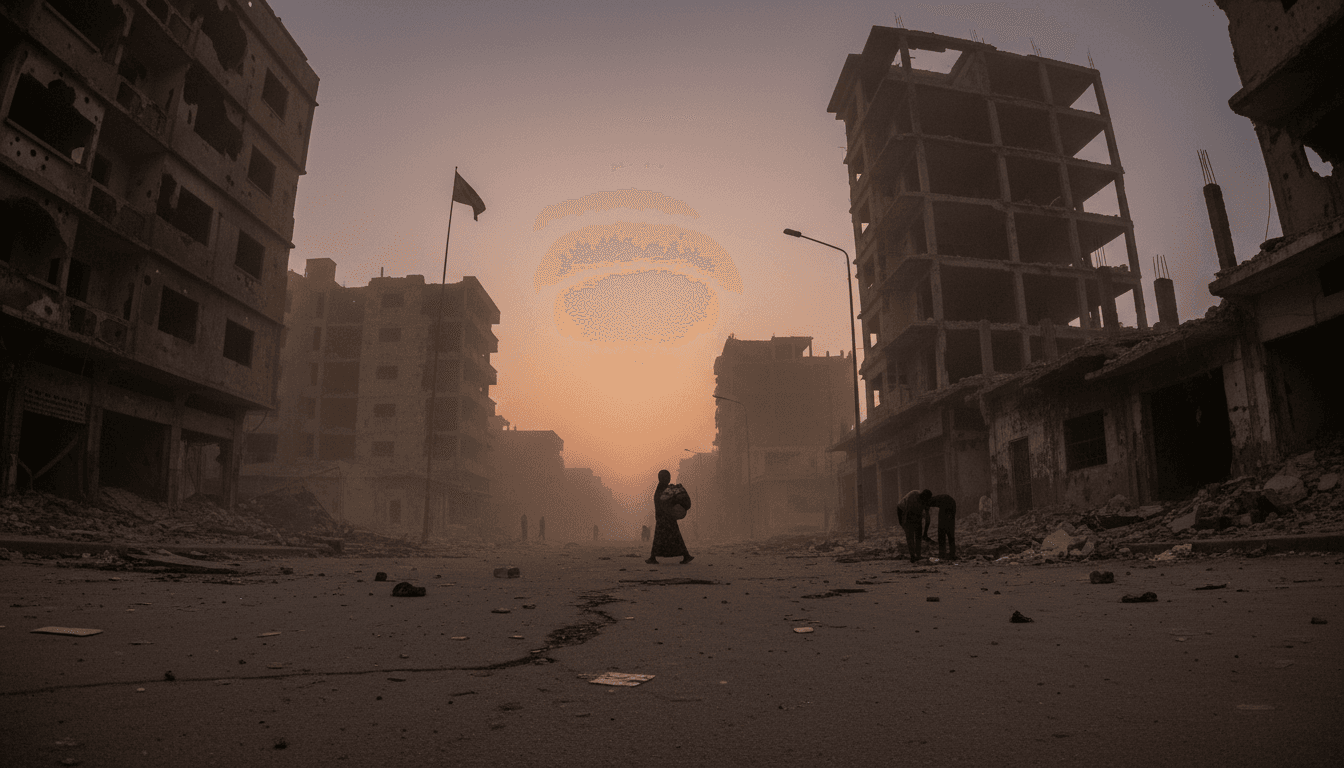
The Sudan war enters its fourth year, casting a long shadow over a nation already ravaged by conflict and humanitarian crisis. This grim milestone, reached on Thursday, April 16, 2026, highlights the ongoing suffering of millions and the concerning lack of international attention on a conflict that continues to escalate.
The protracted conflict, primarily between the Sudanese Armed Forces (SAF) and the Rapid Support Forces (RSF), has plunged Sudan into an unprecedented humanitarian catastrophe. While the precise number of casualties remains difficult to ascertain due to the ongoing fighting and restricted access, aid organizations consistently report widespread displacement, food insecurity, and a collapse of essential services. The warring factions have engaged in brutal combat across numerous regions, turning urban centers into battlegrounds and forcing millions to flee their homes, often multiple times.
Impact Analysis
The continuation of the Sudan war enters its fourth year with significant implications for regional stability and the broader international humanitarian landscape. The conflict has triggered one of the world’s largest displacement crises, with millions internally displaced and hundreds of thousands seeking refuge in neighboring countries, straining already fragile economies and social structures. This mass exodus risks destabilizing the Horn of Africa, a region already prone to various political and environmental challenges. Furthermore, the diversion of humanitarian aid and attention to other global crises has left Sudan critically underfunded, exacerbating the suffering and hindering relief efforts.
“The international community’s attention has largely drifted, leaving millions in Sudan to face a devastating humanitarian crisis with dwindling resources and diminishing hope.”
The conflict’s prolonged nature also has severe economic repercussions, both domestically and internationally. Sudan’s economy, heavily reliant on agriculture and natural resources, has been decimated, leading to hyperinflation and widespread poverty. The disruption of trade routes and the destruction of infrastructure have further crippled economic activity. For global markets, while Sudan is not a major player, the instability in a resource-rich region like the Horn of Africa can create ripple effects, particularly concerning commodity prices and regional trade dynamics. The lack of a clear path to peace continues to deter investment and development, perpetuating a cycle of violence and destitution.
Context & Background
The roots of the current Sudan war are deeply embedded in decades of political instability, military rule, and power struggles following the overthrow of Omar al-Bashir in 2019. The initial hopes for a democratic transition quickly eroded as tensions between the SAF, led by General Abdel Fattah al-Burhan, and the RSF, commanded by General Mohamed Hamdan Dagalo (Hemedti), escalated. These two forces, once allies in the 2021 coup, became bitter rivals vying for control over the state and its vast resources. The conflict officially erupted in April 2023, transforming Khartoum and other major cities into war zones.
Previous attempts at mediation by regional bodies and international organizations have largely failed to achieve a lasting ceasefire or a political resolution. The intricate web of alliances and rivalries, coupled with the deep-seated mistrust between the warring parties, has proven to be a formidable obstacle to peace. The humanitarian situation, already precarious before the outbreak of this latest conflict, has deteriorated dramatically, with the UN and various NGOs consistently flagging severe food insecurity, lack of access to healthcare, and rampant human rights abuses. The Sudan war enters its fourth year with little indication of a breakthrough.
What’s Next
As the Sudan war enters its fourth year, the immediate future remains bleak. Without renewed and concerted international diplomatic efforts, coupled with significant humanitarian aid, the crisis is likely to deepen. Upcoming decisions by global powers regarding sanctions, peace initiatives, and aid allocation will be crucial. There is a pressing need for a unified international front to pressure both the SAF and RSF into genuine negotiations and to ensure safe humanitarian access.
Predictions suggest that if the current trajectory continues, Sudan could face even greater fragmentation, with regional actors potentially becoming more involved, further complicating the conflict. The long-term implications include a lost generation of children, widespread famine, and the potential for the conflict to spill over into neighboring countries more significantly. The international community must prioritize Sudan before the situation becomes an even more entrenched humanitarian and security catastrophe. For more on regional conflicts, see related world news articles.
The Sudan War Enters Its Fourth Year
The stark reality that the Sudan war enters its fourth year serves as a powerful reminder of the global community’s challenges in addressing complex, protracted conflicts. The initial impact on human lives and regional stability has been immense, and without a dramatic shift in international engagement, the consequences will only become more severe. The sustained neglect of this crisis not only condemns millions of Sudanese to continued suffering but also sets a dangerous precedent for future conflicts, highlighting the urgent need for a renewed focus on peace, aid, and accountability.