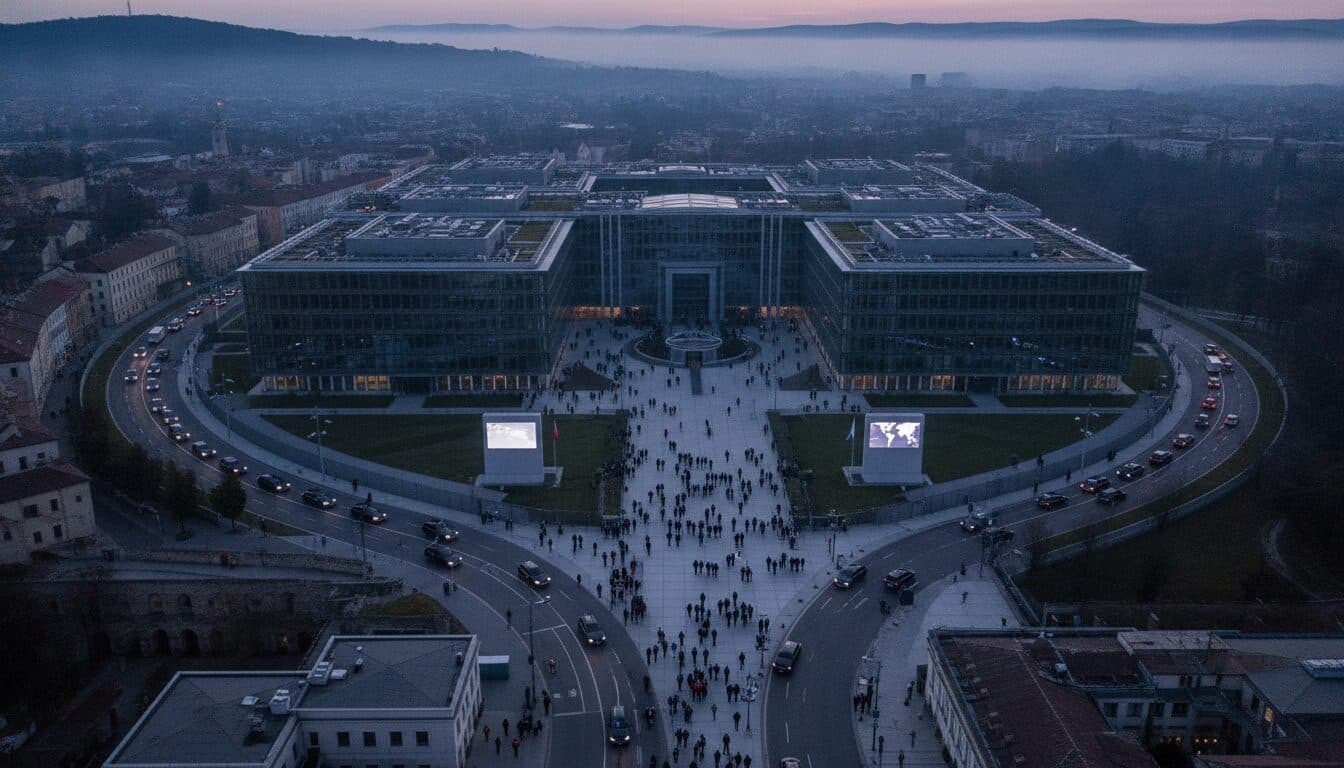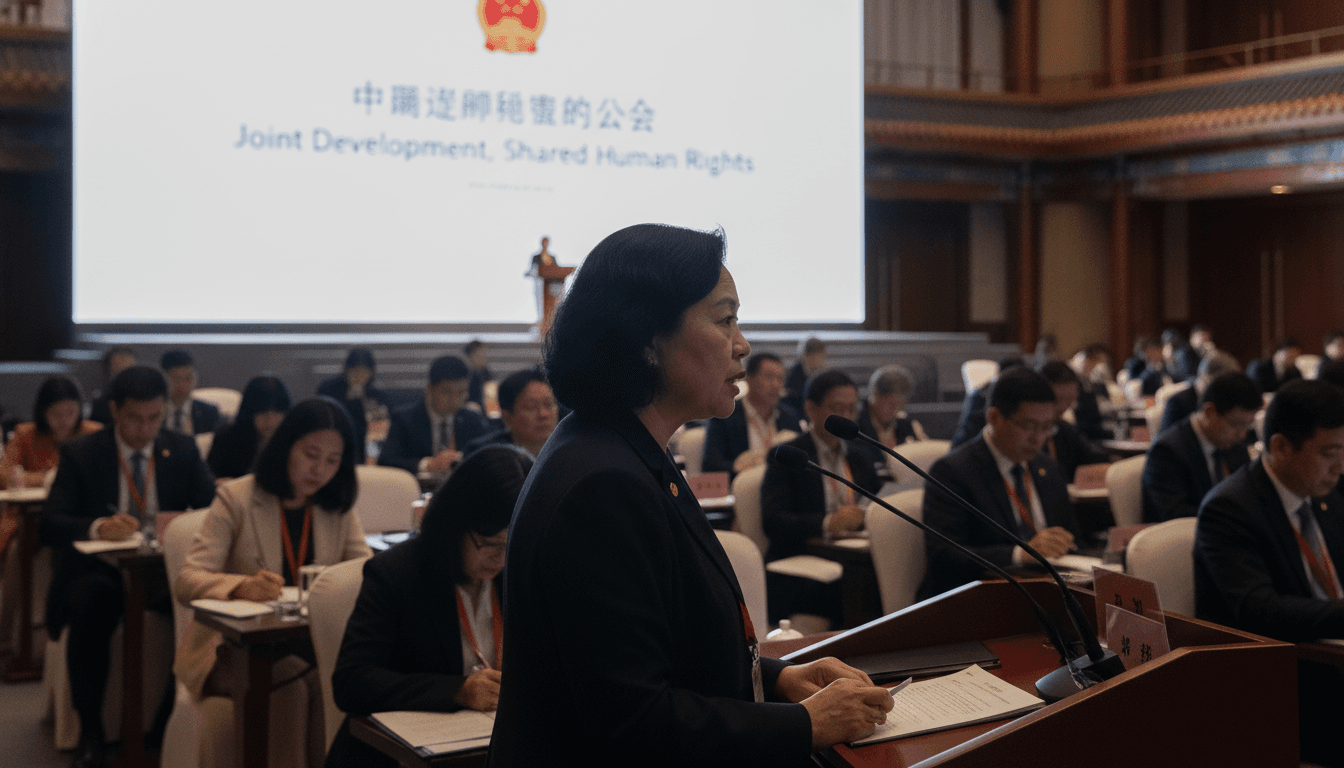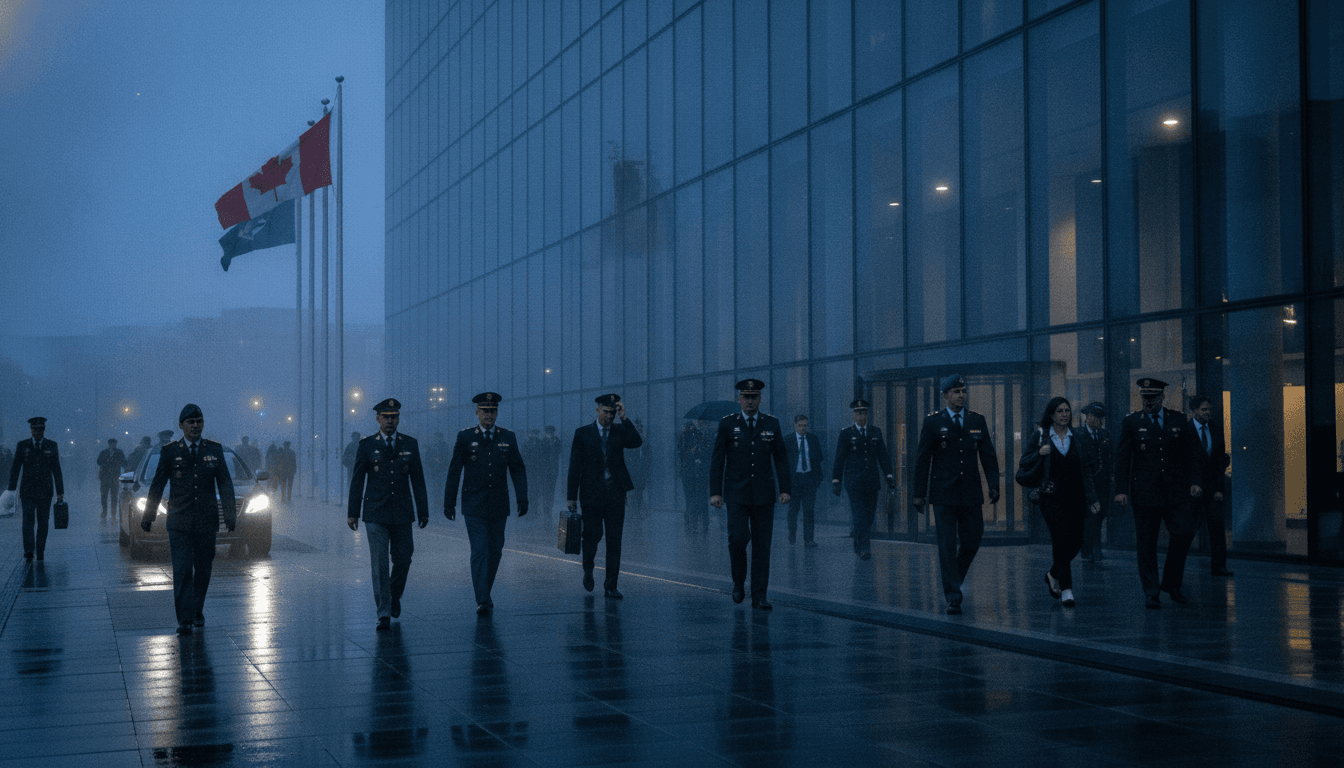
Bold Mideast peace diplomacy took center stage in Ankara on Friday, April 17, 2026, as Türkiye hosted a critical four-way summit aimed at de-escalating the protracted conflict in the Middle East. This high-level gathering marks a significant push by Ankara to position itself as a central mediator in one of the world’s most intractable geopolitical crises, bringing together key regional and international players in a concerted effort to forge a path toward lasting stability and an end to hostilities.
The Summit Unfolds: Türkiye’s Mediation Push
The summit, held in the Turkish capital, saw high-ranking representatives from four nations convene under Türkiye’s aegis. While the Hürriyet Daily News report did not specify the other three nations involved, their presence underscores the gravity of the ongoing Mideast war and the international community’s growing urgency to find a diplomatic resolution. Türkiye’s initiative comes amidst persistent calls for a ceasefire and a broader peace framework, with the country leveraging its unique geopolitical position and historical ties to the region.
This diplomatic offensive by Ankara represents a deepening of its engagement in regional security, moving beyond bilateral discussions to orchestrate a multilateral platform for dialogue. The format of a ‘four-way summit’ suggests a focused effort to address specific aspects of the conflict, potentially involving a core group of stakeholders whose consensus is deemed crucial for any peace initiative to gain traction. The discussions are anticipated to have centered on humanitarian access, prisoner exchanges, and the contours of a potential political settlement, reflecting the multifaceted nature of the conflict.
“Türkiye’s consistent emphasis on dialogue and its willingness to host complex negotiations positions it as an indispensable actor in any credible Mideast peace diplomacy.”
The very act of convening such a summit is a diplomatic victory for Türkiye, demonstrating its capacity to bring diverse, and at times adversarial, parties to the negotiating table. This move could significantly enhance Türkiye’s standing as a regional power broker and a proponent of peace through diplomacy, potentially opening avenues for further mediation efforts in other global hotspots. For more on regional security dynamics, see our related world news articles.
Impact Analysis: Shifting Geopolitical Sands
The hosting of this four-way summit by Türkiye carries substantial implications for the broader world news landscape. It signifies a potential shift in the regional power dynamics, with Türkiye asserting a more proactive and independent foreign policy. Should these peace efforts yield tangible results, it could reconfigure alliances and diplomatic alignments across the Middle East, potentially challenging existing frameworks of international engagement in the conflict.
Economically, any progress towards peace could unlock significant opportunities for reconstruction and regional trade, benefiting economies that have been severely impacted by years of conflict. Conversely, a failure to achieve breakthroughs could further entrench existing divisions, prolong humanitarian suffering, and exacerbate geopolitical tensions, potentially drawing in more external actors and resources. The world watches closely, understanding that the ripple effects of this Mideast peace diplomacy extend far beyond the immediate participants.
Context & Background: A History of Mediation
Türkiye has a long history of engaging in regional mediation, often leveraging its unique position straddling Europe and Asia. In recent years, Ankara has increasingly sought to project its influence through diplomatic channels, offering itself as a neutral arbiter in various disputes. This current initiative builds upon previous, less publicized, efforts to foster dialogue among warring factions and regional powers. The enduring Mideast war, characterized by its complex web of state and non-state actors, historical grievances, and international interventions, has created an urgent demand for credible mediators.
The current push for Mideast peace diplomacy also occurs against a backdrop of evolving global power structures, with a growing emphasis on regional solutions to regional problems. International bodies and traditional global powers have often struggled to find effective solutions, making Türkiye’s independent initiative particularly noteworthy. This summit could set a precedent for future regional diplomatic endeavors, highlighting the importance of local actors in resolving complex, protracted conflicts.
What’s Next: Awaiting Outcomes and Future Steps
The immediate aftermath of the four-way summit will undoubtedly be dominated by analyses of its outcomes. While the Hürriyet Daily News report did not detail specific agreements or declarations, the very act of convening is a step forward. Future implications will depend heavily on the follow-up actions by the participating nations. Will this lead to further rounds of talks, perhaps involving a broader spectrum of stakeholders? Will there be concrete proposals for a ceasefire, humanitarian corridors, or a roadmap for political transition?
Upcoming decisions will likely involve continued diplomatic back-channels and potential public statements outlining progress or future commitments. Predictions range from cautious optimism regarding initial de-escalation measures to skepticism about achieving a comprehensive peace in the near term. The success of this Mideast peace diplomacy will be measured not just by immediate declarations, but by its ability to foster sustained dialogue and build trust among historically estranged parties.
Key Takeaway: A Critical Test for Regional Diplomacy
Türkiye’s hosting of this four-way summit represents a critical test for regional diplomacy and its potential to deliver peace in one of the world’s most volatile regions. The initiative underscores the urgent need for innovative diplomatic approaches and the increasing prominence of regional powers in global conflict resolution. The success or failure of this bold Mideast peace diplomacy will have profound implications, not only for the millions affected by the ongoing war but also for the future architecture of international relations and the role of middle powers in shaping global stability. The world watches, hopeful that this diplomatic push will indeed pave the way for a more peaceful future in the Middle East.