Libya arms embargo violations and off-book oil exploitation have triggered a stark warning from the UN Secretary-General, signaling a deepening crisis in the North African nation. The international community is once again grappling with the persistent challenges of maintaining stability and adherence to international law in a country plagued by years of conflict and fractured governance. The Secretary-General’s statement, delivered on Thursday, April 16, 2026, highlights the continued flow of illicit weaponry and the unauthorized extraction of vital natural resources, both of which serve to fuel instability and undermine prospects for lasting peace.
The warning specifically identifies ongoing violations of the UN-imposed arms embargo, a critical measure designed to prevent the escalation of conflict and protect civilian populations. These breaches facilitate the arming of various factions, perpetuating a cycle of violence that has claimed countless lives and displaced millions. Alongside this, the revelation of off-book oil exploitation points to a significant illicit economic activity that not only deprives the legitimate Libyan state of crucial revenue but also provides a financial lifeline to actors operating outside established international frameworks. This parallel economy further complicates efforts to build a unified and accountable government.
Impact Analysis
The Secretary-General’s candid assessment carries significant weight, underscoring the severe implications for regional security and global energy markets. The continued flouting of the arms embargo threatens to destabilize not only Libya but also its immediate neighbors, creating a fertile ground for extremist groups and further refugee flows. For the broader world, the illicit oil trade from Libya arms embargo violations poses a challenge to global energy governance and transparency, potentially impacting oil prices and supply chains. It also creates a dangerous precedent for resource exploitation in conflict zones, undermining efforts to establish rule of law and legitimate economic structures.
Moreover, the UN’s public acknowledgment of these issues serves as a call to action for member states to redouble their efforts in enforcing sanctions and supporting legitimate governance in Libya. The credibility of international institutions, particularly the UN Security Council, is at stake if such blatant violations continue unchecked. This situation affects related world news articles concerning international law and the efficacy of multilateral interventions.
“The persistent breach of international sanctions and the illicit exploitation of national resources not only prolong human suffering but also erode the very foundations of global security and economic stability.”
Context & Background
Libya has been in a state of turmoil since the 2011 uprising, which led to the overthrow of Muammar Gaddafi. The subsequent power vacuum resulted in a complex civil conflict involving numerous armed groups, foreign interventions, and competing political entities. The UN has consistently sought to mediate a political solution, including establishing a unity government and imposing an arms embargo to curb the flow of weapons. However, enforcement has proven challenging due to the fragmented nature of authority within Libya and the geopolitical interests of various external actors.
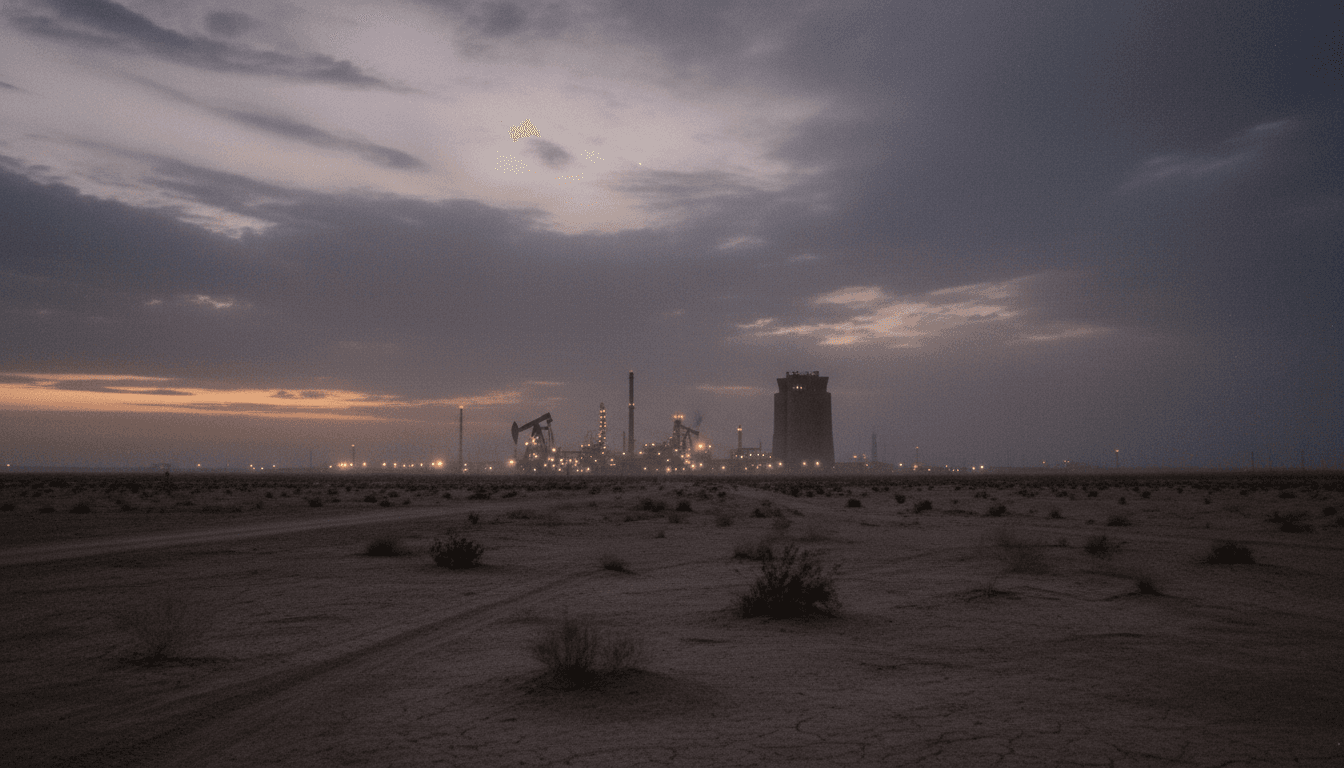
The country’s vast oil reserves, the largest in Africa, have long been a source of both immense wealth and intense conflict. Control over oil fields and export terminals has been a key objective for warring factions, leading to disruptions in production and significant revenue losses. The emergence of off-book oil exploitation, as highlighted by the UN, indicates a more sophisticated and entrenched system of illicit trade operating beneath the surface of official channels, further complicating the stabilization efforts.
What’s Next
The UN Secretary-General’s warning will likely prompt renewed diplomatic efforts and potentially stricter enforcement mechanisms from the international community. The immediate focus will be on strengthening the monitoring and reporting of arms embargo violations and tracking illicit oil revenues. Member states may face increased pressure to provide more robust support for UN-led initiatives, including enhanced maritime and aerial surveillance, and targeted sanctions against individuals and entities involved in these illicit activities. The future stability of Libya hinges on a concerted and unified international approach, moving beyond rhetoric to tangible action. Upcoming decisions at the UN Security Council will be critical in determining the trajectory of this ongoing crisis, particularly regarding accountability for those facilitating Libya arms embargo violations.
Key Takeaway
The Secretary-General’s warning is a stark reminder that despite years of international engagement, Libya remains a critical flashpoint where the rule of law is severely undermined by persistent arms embargo violations and the illicit exploitation of its natural wealth. The intertwining of security breaches and economic crimes fuels a vicious cycle of instability, with profound implications for regional peace and global governance. Addressing these challenges requires not only diplomatic resolve but also concrete actions to enforce international sanctions and support the establishment of a legitimate, unified, and accountable government capable of protecting its people and resources. Without such a concerted effort, Libya risks descending further into fragmentation, with its instability reverberating across the Mediterranean and beyond, affecting broader world news articles on geopolitical stability.