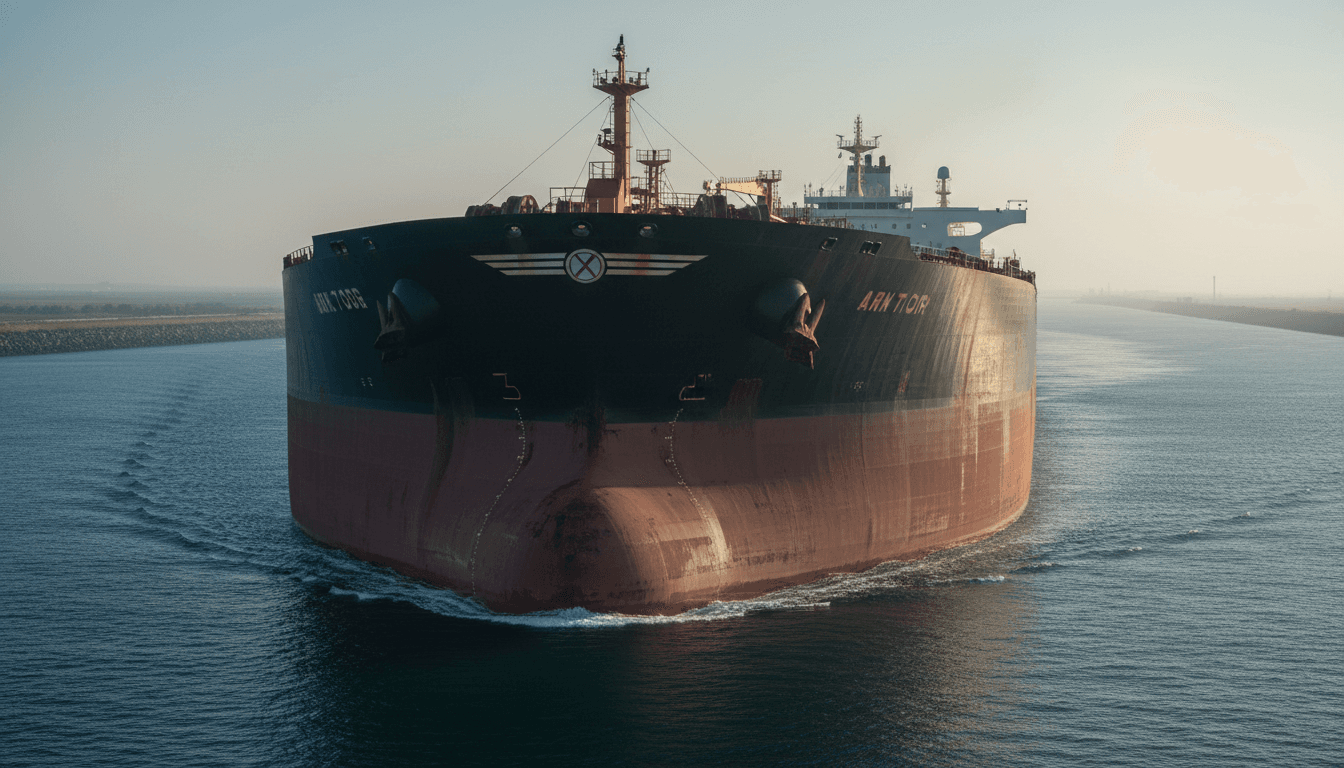
A dramatic humanitarian crisis looms if the Strait of Hormuz is not reopened, a former UK official warned on Thursday, April 16, 2026. This stark warning from an unnamed former British dignitary underscores the escalating global concern over the vital shipping lane’s closure, threatening not just economic stability but the very sustenance of millions.
The Impasse in the Strait of Hormuz
The core of the unfolding crisis centers on the Strait of Hormuz, a narrow waterway connecting the Persian Gulf with the Arabian Sea and the open ocean. It is arguably the most strategically important chokepoint in the world for oil transit, with an estimated 20% of the world’s petroleum and a significant portion of its liquefied natural gas passing through it daily. The current closure, the specifics of which remain under intense international scrutiny, has sent shockwaves through global markets and humanitarian organizations alike.
While the exact parties responsible for the closure and the immediate triggers have not been detailed in this specific warning, the implications are clear: a sustained blockage of this conduit would cripple global supply chains, particularly for energy and food. The former UK official’s statement, reported by CNN, elevates the discourse beyond mere economic disruption to an urgent humanitarian imperative, suggesting that the consequences of inaction or prolonged closure are dire and immediate.
Impact Analysis: Global Repercussions
The potential for a humanitarian crisis if the Strait of Hormuz is not reopened cannot be overstated. Beyond the immediate spike in energy prices, which would impact every sector from transportation to manufacturing, the ripple effects would be profound. Many nations, particularly those heavily reliant on imported energy and goods, face the prospect of severe economic contraction, inflation, and social unrest. Developing countries, already struggling with food security and economic fragility, would be disproportionately affected.
“The closure of the Strait of Hormuz is not merely an economic challenge; it is a direct threat to global stability and the well-being of vulnerable populations dependent on the free flow of goods through this critical artery.”
International aid organizations are likely already assessing contingency plans for food and medical supply chains, which would be severely disrupted. The warning highlights the fragility of global interconnectedness and the potential for a single geopolitical flashpoint to cascade into a widespread humanitarian catastrophe. The situation demands urgent diplomatic engagement and a de-escalation of whatever circumstances led to the strait’s closure.
Context & Background: A History of Tensions
The Strait of Hormuz has long been a focal point of geopolitical tension. Its strategic importance has made it a recurring flashpoint, particularly in relation to Iran’s role in the region. Past incidents, including tanker attacks, naval confrontations, and threats of closure, underscore the volatile nature of this maritime passage. The international community has consistently emphasized the importance of freedom of navigation through the strait, recognizing its indispensability for global trade and energy security.
Previous periods of heightened tension have seen global oil prices surge, and international naval forces have often been deployed to ensure safe passage. However, the current warning of a humanitarian crisis if the Strait of Hormuz is not reopened suggests a more severe and prolonged disruption than previously encountered, or at least a situation with significantly higher stakes. This context makes the former UK official’s statement particularly alarming, hinting at a new level of crisis.
What’s Next: Diplomatic Urgency and Global Response
The immediate future hinges on diplomatic efforts to reopen the Strait of Hormuz. International bodies, led by major global powers, will undoubtedly be engaged in intense negotiations and pressure campaigns. The nature of these efforts will depend on the specific actors and grievances behind the closure. There will be immense pressure to find a resolution quickly, not only to avert the predicted humanitarian crisis but also to prevent further destabilization of the Middle East and the global economy.
Nations will also be assessing alternative supply routes and strategic reserves, though the sheer volume of traffic through Hormuz makes any alternative a complex and costly endeavor. The world watches anxiously for developments, with the potential for further escalation if a swift resolution is not found. The warning serves as a critical call to action for international diplomacy.
Key Takeaway: The Imperative of Open Waterways
The warning from the former UK official regarding a humanitarian crisis if the Strait of Hormuz is not reopened underscores the critical importance of maintaining open and secure international waterways. This incident is a stark reminder that geopolitical tensions can have devastating real-world consequences, extending far beyond the immediate conflict zone to impact global trade, energy security, and the well-being of millions. The imperative for peaceful resolution and freedom of navigation has never been clearer, as the world confronts the potential for a dramatic humanitarian crisis stemming from this critical maritime chokepoint.