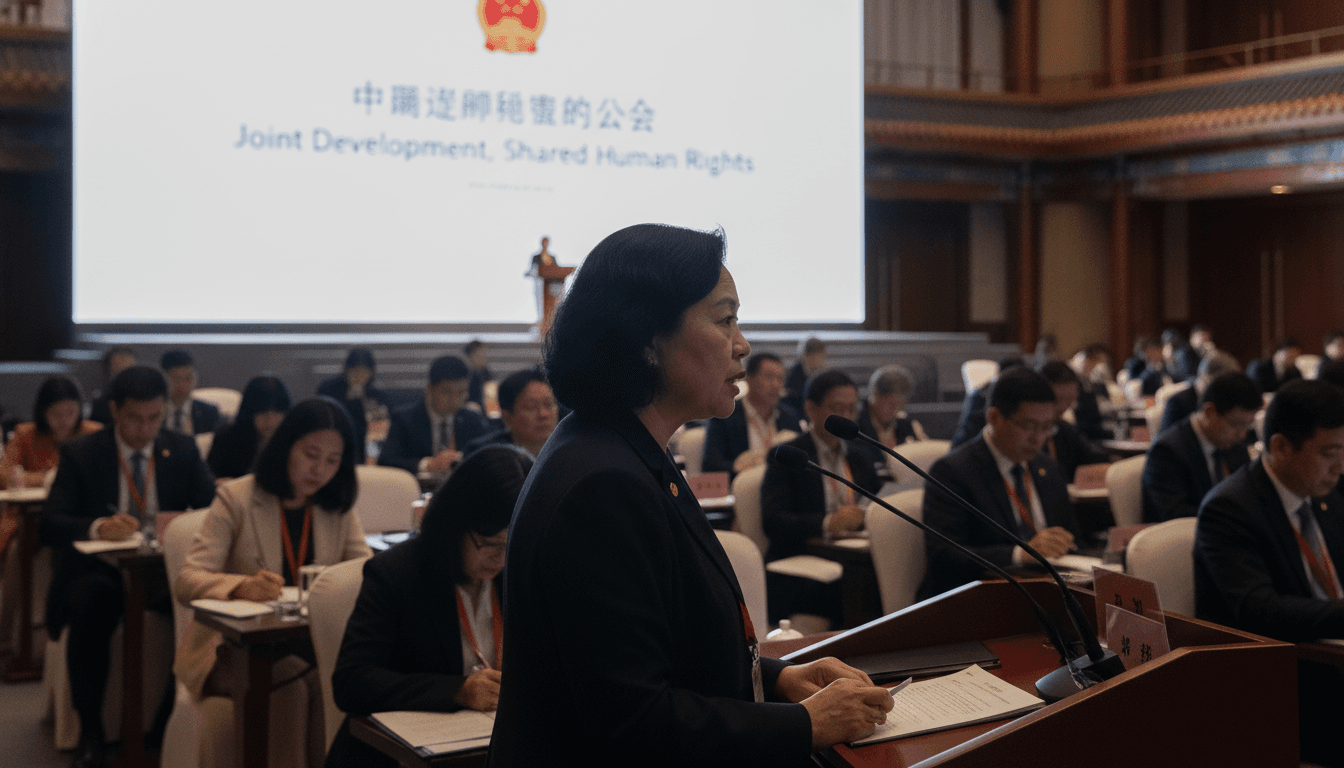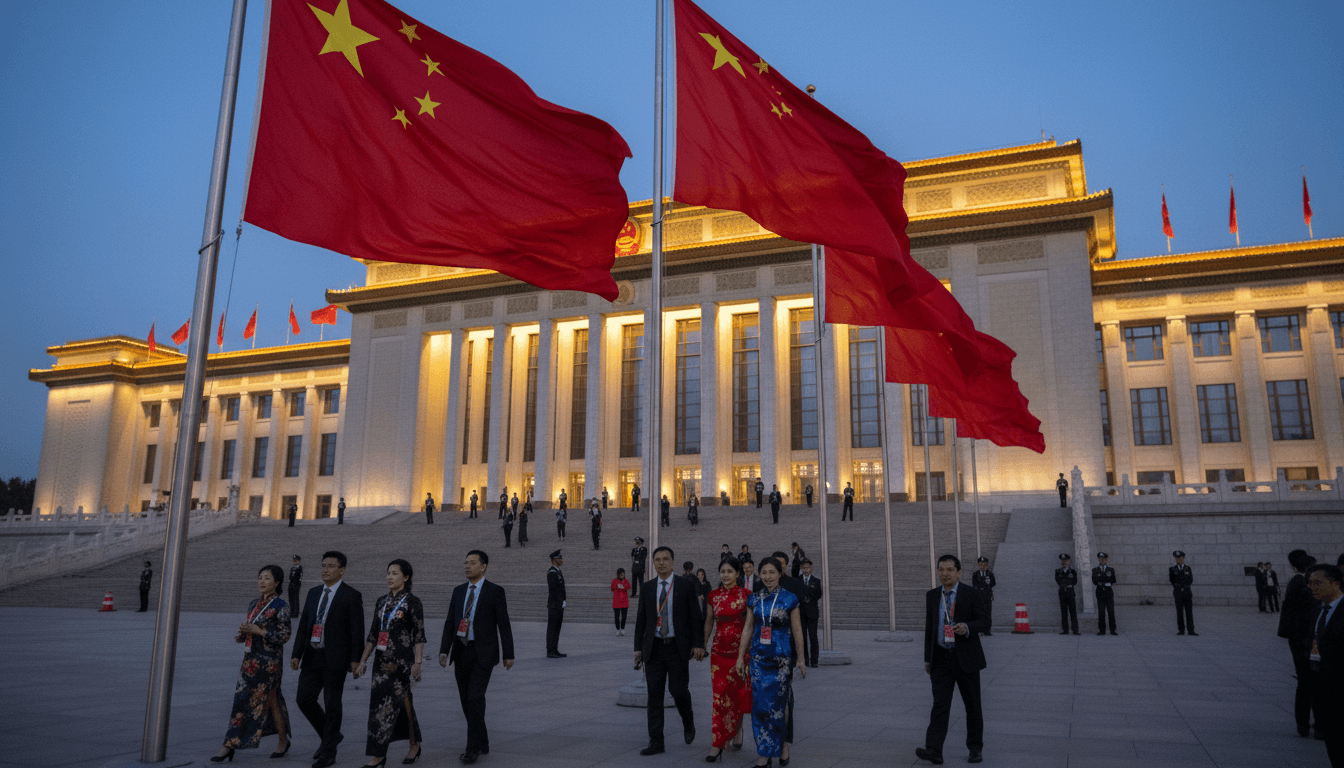
China’s Summit Positioning is taking center stage as Beijing meticulously prepares for the highly anticipated Trump–Xi Summit, scheduled for Friday, April 17, 2026. This strategic maneuvering by the world’s second-largest economy underscores a calculated effort to shape the narrative and leverage its diplomatic strengths ahead of what promises to be a pivotal encounter between two global powers.
The Story: Beijing’s Meticulous Preparations
The upcoming summit between President Donald Trump and President Xi Jinping on April 17, 2026, is not merely a bilateral meeting but a grand stage for global power dynamics. Beijing’s preparations, as reported by The Diplomat – Asia-Pacific, indicate a comprehensive strategy designed to maximize its leverage and present a unified, confident front. While specific details of China’s preparatory actions remain tightly guarded, the overall thrust suggests a multi-faceted approach encompassing economic, diplomatic, and perhaps even geopolitical messaging.
Analysts suggest that China’s Summit Positioning involves a carefully orchestrated series of internal and external communications. Internally, this could mean consolidating domestic support and ensuring policy alignment across various government agencies. Externally, it likely involves preemptive diplomatic outreach to key allies and partners, aiming to build consensus or at least mitigate potential opposition to China’s positions. The goal is to project an image of stability and strength, crucial for any high-stakes negotiation with a leader known for his assertive bargaining style.
Impact Analysis
The ramifications of China’s pre-summit positioning extend far beyond the immediate bilateral relationship. This strategic preparation affects the broader world news landscape by influencing global trade discussions, geopolitical alliances, and the ongoing competition for technological supremacy. A stronger Chinese negotiating stance, bolstered by effective pre-summit groundwork, could lead to different outcomes on critical issues ranging from tariffs and intellectual property rights to regional security in the Indo-Pacific. For related world news articles, the implications for global supply chains and investment flows are particularly significant.
Furthermore, Beijing’s approach sets a precedent for how major powers engage in high-level diplomacy. The meticulousness of China’s Summit Positioning highlights a growing sophistication in its foreign policy apparatus, moving beyond reactive measures to proactive shaping of international discourse. This could inspire other nations to adopt more comprehensive preparatory strategies for significant diplomatic engagements, thereby subtly altering the global diplomatic playbook.
Context & Background: A History of High-Stakes Engagements
The relationship between the United States and China has been characterized by periods of intense competition and uneasy cooperation, particularly under previous Trump administrations. The trade wars of the late 2010s, disputes over technology and human rights, and geopolitical tensions in the South China Sea have all contributed to a complex and often volatile dynamic. This historical context provides a crucial backdrop for understanding the current urgency and strategic depth of China’s preparations. Previous summits often saw both sides attempting to gain an upper hand, making the current efforts to solidify China’s Summit Positioning a continuation of established patterns, albeit with potentially refined tactics.
Industry trends also play a significant role. The global economic landscape is shifting, with China increasingly asserting its economic might and technological ambitions. This summit takes place against a backdrop of ongoing efforts by various nations to diversify supply chains and reduce reliance on single economic centers, making the outcomes of the Trump–Xi talks particularly impactful on future global economic structures. Beijing’s careful preparation is thus not just about the summit itself, but about reinforcing its long-term strategic objectives.
“China’s proactive diplomatic maneuvers ahead of the Trump–Xi Summit demonstrate a clear intent to dictate terms rather than merely react to them, signaling a new phase in its global engagement strategy.”
What’s Next: Navigating a Complex Future
The immediate future hinges on the outcomes of the April 17, 2026 summit. China’s Summit Positioning aims to ensure that these outcomes are favorable to its national interests. Post-summit, observers will be closely watching for shifts in trade policies, technological cooperation agreements, and any joint statements regarding regional and global security issues. The decisions made, or avoided, will have lasting consequences for international relations and economic stability. Further, the diplomatic strategies employed by Beijing could serve as a blueprint for future engagements with other global powers. The effectiveness of China’s Summit Positioning will be measured not just by immediate gains, but by its ability to secure long-term strategic advantages.
Beyond the summit, the ongoing competition in areas like artificial intelligence, quantum computing, and renewable energy will continue to define the U.S.-China relationship. The foundations laid during this summit, influenced heavily by China’s careful preparations, will likely shape the trajectory of this rivalry for years to come. The global community will also be looking for any indications of a renewed commitment to multilateralism or, conversely, a further entrenchment of bilateral power struggles.
Key Takeaway: Why This Matters
The meticulousness of China’s Summit Positioning ahead of the Trump–Xi Summit on April 17, 2026, is a powerful indicator of the strategic importance Beijing places on this high-level engagement. It highlights China’s sophisticated approach to international diplomacy, demonstrating a proactive stance aimed at shaping global narratives and securing national interests. This proactive strategy underscores a broader shift in global power dynamics, where emerging powers are increasingly asserting their influence through carefully orchestrated diplomatic campaigns. The world watches, understanding that the outcomes of this summit, heavily influenced by China’s pre-emptive actions, will resonate across global markets, diplomatic corridors, and geopolitical theaters for the foreseeable future.