The global economic landscape stands on the precipice of a significant shift as the United States and Iran draw “very close” to a tentative deal aimed at de-escalating their three-month-old conflict. This potential resolution, confirmed by Vice President JD Vance on Thursday, May 29, 2026, promises a 60-day extension of the current ceasefire and the initiation of crucial talks regarding Iran’s nuclear program. The news comes as a beacon of hope amidst persistent inflationary pressures in the US, with a key inflation gauge accelerating to a three-year high in April, making any prospect of economic stability a top priority for consumers and investors alike.
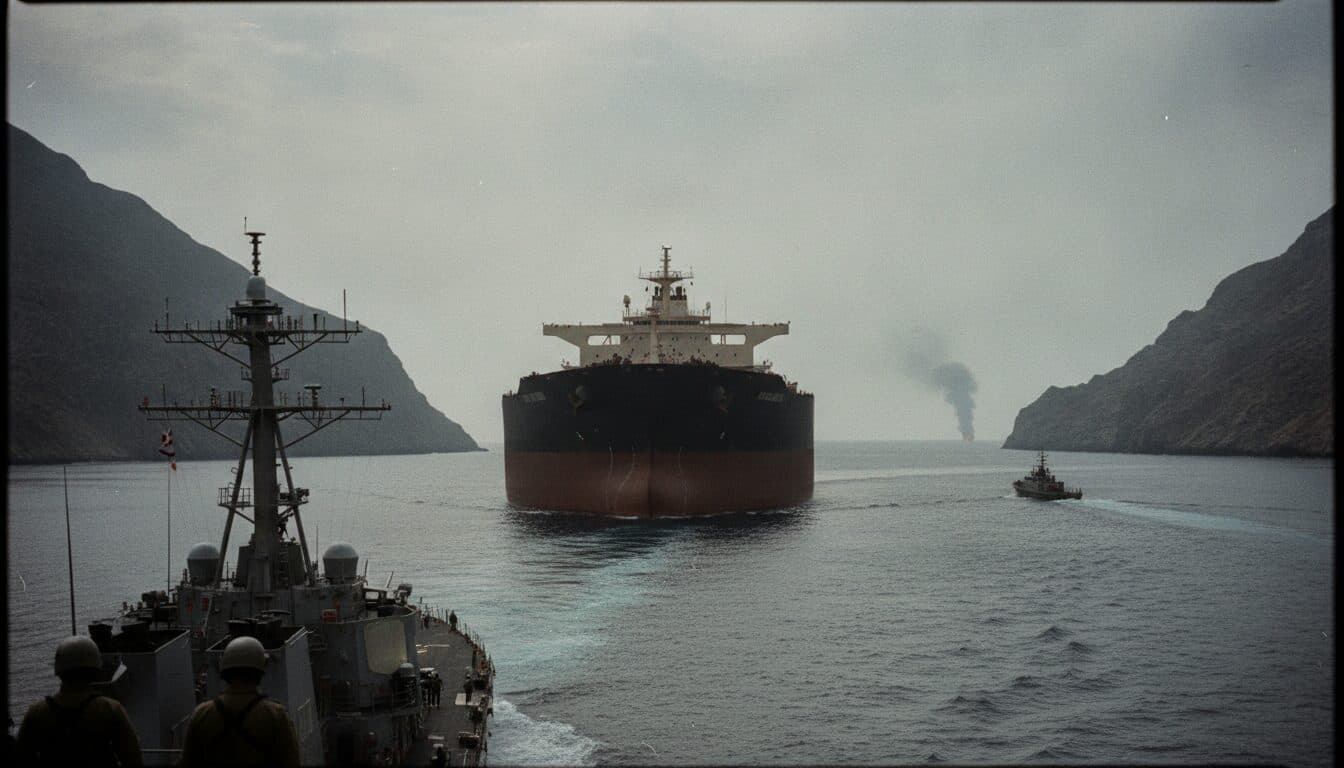
The tentative agreement outlines several critical concessions designed to ease regional tensions and global economic bottlenecks. Central to the framework is the reopening of the Strait of Hormuz to commercial shipping, a vital artery for global oil supplies that has been constrained since the conflict began on February 28. Furthermore, the US blockade on Iranian ports would be lifted, granting Iran access to an estimated $12 billion in frozen assets. In return, Iran would be required to remove sea mines within 30 days and engage in new discussions concerning its nuclear program, specifically addressing its highly enriched stockpile and enrichment questions. Vice President Vance expressed optimism, noting that while a final deal is “not there yet,” both sides are “going back and forth on a couple of language points” and that Iran appears to be negotiating in good faith. However, the ultimate approval rests with President Donald Trump, who has set clear “red lines” for any agreement: Iran must open the Strait of Hormuz, turn over its enriched uranium, and end its nuclear program. Iranian state media, including Tasnim news agency, has yet to confirm the finalization of any memorandum of understanding, indicating that negotiations are still fluid.
The economic ramifications of this potential US-Iran deal are profound and already being felt across global markets. The Consumer Price Index (CPI) accelerated to an annual rate of 3.8% in April 2026, the highest since May 2023, up from 3.3% in March. Energy prices were a dominant factor, contributing 40% to the increase, with gasoline prices surging 28.4% annually. Food prices also saw a 0.5% rise in April. Core inflation, excluding volatile food and energy, rose 2.8% year-over-year. This persistent inflation, coupled with slowing GDP growth, casts a long shadow over the Federal Reserve’s potential for interest rate cuts. The reopening of the Strait of Hormuz is anticipated to alleviate some of these pressures by increasing global oil supplies.
“The potential reopening of the Strait of Hormuz is not just a geopolitical victory; it’s a direct economic relief valve for consumers grappling with high energy costs and persistent inflation.”
Indeed, the mere prospect of a deal has already influenced energy markets. Gas prices in the US, while still high, have seen a slight reprieve, with the nationwide average for regular gas at $4.42 per gallon, a 12-cent decrease from the previous week. In Virginia, the average for regular gas dropped from $4.367 on May 26 to $4.245 on May 29, 2026. Global stock markets have responded positively, with Asian stocks rallying significantly; Japan’s Nikkei climbed 2.65%, and South Korea’s Kospi gained 3.6%. The US S&P 500 index also saw a 0.6% gain, reaching a new record high. European markets followed suit, with the UK’s FTSE 100 up 0.1% and the Stoxx Europe 600 gaining 0.3%. Conversely, oil prices have slipped, with Brent crude futures falling 1.3% to $91.54 and West Texas Intermediate dropping 1.4% to $87.64 a barrel, as investors factor in the anticipated increase in oil supply.
The current conflict, initiated on February 28 with a joint US and Israel war against Iran, has had a significant impact on global energy markets and, by extension, consumer prices. The closure or constrained access to the Strait of Hormuz has been a primary driver of higher energy costs, affecting everything from transportation to manufacturing. The Federal Reserve’s preferred inflation gauge, the personal consumption expenditures (PCE) price index, also jumped 3.8% from a year ago in April, mirroring the CPI trends. This economic backdrop amplifies the urgency and importance of a lasting resolution to the conflict. A successful deal would not only stabilize oil prices but also potentially temper broader inflationary pressures, offering much-needed relief to households and businesses.
Looking ahead, all eyes will be on President Trump’s decision. His approval is the final hurdle for this tentative US-Iran deal. The coming days will likely see intense diplomatic activity as negotiators work to iron out the remaining “language points” regarding Iran’s nuclear program. Should the deal be signed, the immediate implications would include a further stabilization of oil prices and a potential easing of inflation. However, the long-term success will hinge on Iran’s adherence to the terms, particularly regarding its nuclear activities and the sustained openness of the Strait of Hormuz. The 60-day ceasefire extension offers a critical window for these complex discussions to progress, and any misstep could quickly reignite tensions and undo the hard-won progress.
For investors and consumers, the key takeaway is that while a significant step towards de-escalation has been made, the situation remains fluid. The potential for a comprehensive resolution to the US-Iran conflict offers a powerful antidote to global economic uncertainty and inflationary pressures. However, the path to a lasting peace is fraught with complexities, and the market will remain sensitive to every pronouncement from Washington and Tehran. The ultimate outcome will shape not only geopolitical dynamics but also the everyday living expenses of millions.