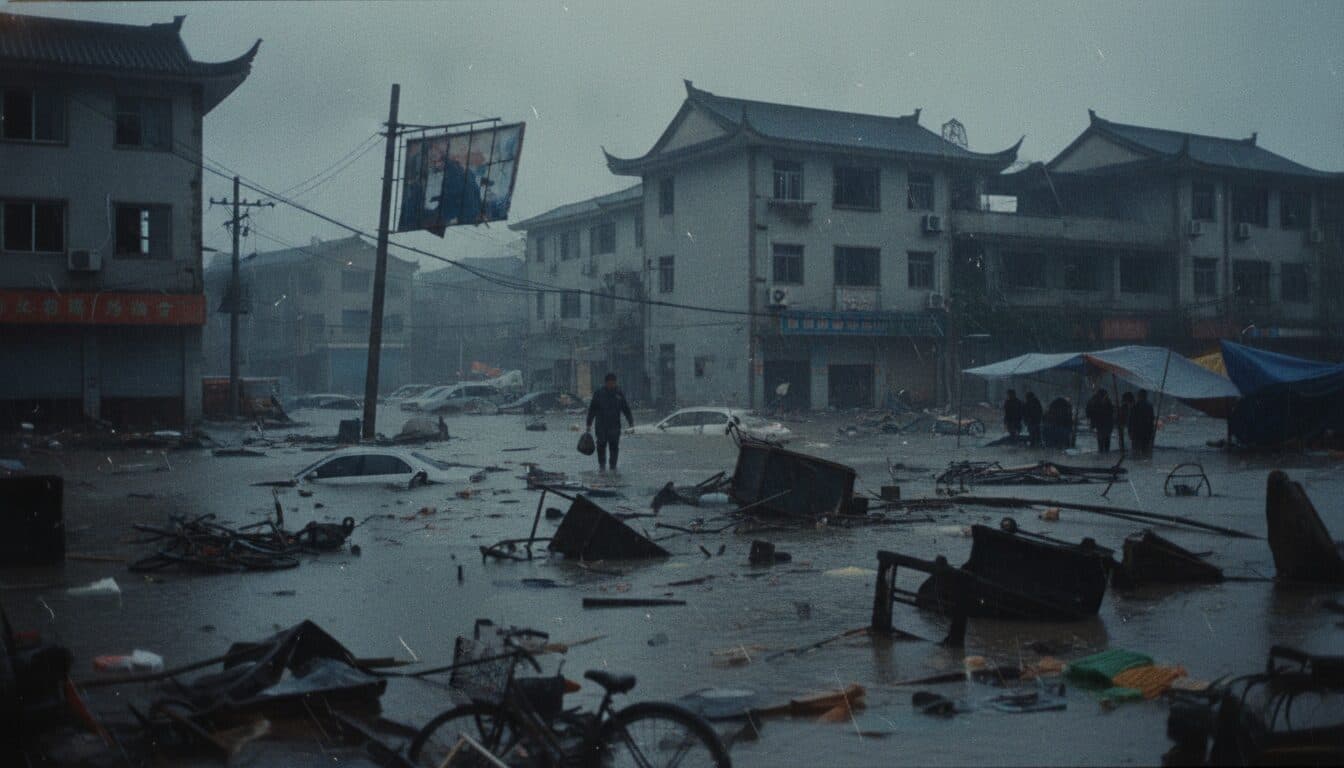
The direct exchange of military strikes between the United States and Iran has plunged the Middle East into a new and dangerous phase, triggering unprecedented disruptions in global energy markets and raising the specter of a wider regional conflict. This escalation of Mideast tensions, marked by tit-for-tat attacks following the downing of a US Army helicopter, has sent shockwaves through the global economy, particularly impacting the vital Strait of Hormuz.
The current crisis began unfolding on Monday evening, June 8, 2026, when an Iranian drone successfully shot down a US Army AH-64 Apache helicopter near the Strait of Hormuz, off the coast of Oman. The two US soldiers aboard were commendably rescued by a Navy sea drone, a first-of-its-kind operation that underscored the technological advancements in naval recovery but also the perilous environment in which they operated. This incident immediately drew a sharp rebuke from Washington.
By Tuesday, June 9, 2026, US President Donald Trump unequivocally accused Iran of the attack, vowing a swift and decisive response. US Central Command (CENTCOM) wasted no time, launching what it termed “self-defense strikes” against Iranian military infrastructure. These targeted operations, carried out by Air Force and Navy fighter jets, focused on air defense systems, ground control stations, and surveillance radar sites near the Strait of Hormuz. Reports from the region confirmed explosions in several Iranian locations, including Qeshm Island, Bandar Abbas, Jask, and Sirik, with specific damage noted to a telecommunications tower and water storage tanks in Sirik.
The retaliation, however, was not one-sided. On Wednesday, June 10, 2026, Iran’s Islamic Revolutionary Guard Corps (IRGC) announced its own retaliatory attacks, claiming to have targeted 21 US military sites across Bahrain, Kuwait, and Jordan. Among the purported targets were the headquarters of the US Fifth Fleet in Bahrain, Ali Al Salem Air Base in Kuwait, and an airbase in Azraq, Jordan. The IRGC went further, claiming to have destroyed F-35 fighter jet hangars and a command-and-control center in Jordan. While videos reportedly showed a flash of light near a US facility in Bahrain, US officials quickly downplayed the effectiveness of these strikes, asserting that most missiles and drones were intercepted, with no indications of successful hits on intended targets or US casualties. Jordan’s army corroborated this, reporting the interception of five missiles launched from Iran.
Global Energy Markets Face Unprecedented Disruption Amid Escalation of Mideast Tensions
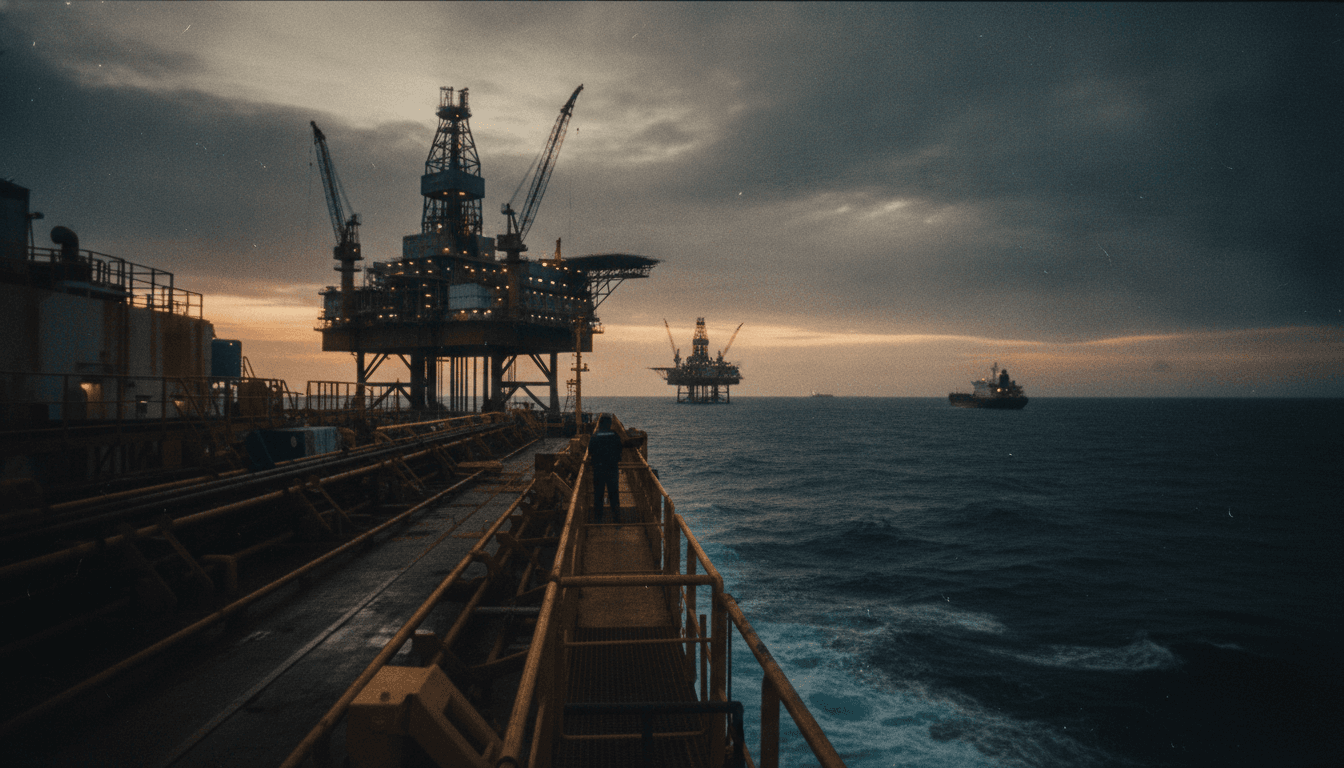
The immediate and most severe impact of this escalation of Mideast tensions has been on global energy markets. Shell CEO Wael Sawan, speaking on June 10, 2026, described the effective closure of the Strait of Hormuz as having led to “never seen before” energy disruptions. This vital waterway, which typically handles approximately a fifth of global oil supplies, has been severely hampered since US and Israeli attacks on Iran in late February 2026, a situation now exacerbated by the direct exchange of strikes.
The numbers are stark: more than 10% of global oil production has been removed from the market since the start of the broader Middle East conflict. Furthermore, approximately 20% of global liquefied natural gas (LNG) production is now offline, largely due to significant damage sustained by the Ras Laffan LNG hub in Qatar, the world’s largest, from earlier strikes. These disruptions have sent oil prices soaring, creating a disproportionate burden on Asian economies. Countries like India, Indonesia, Thailand, and Vietnam have resorted to fuel rationing, while Pakistan and the Philippines have implemented four-day working weeks to conserve energy.
Sawan’s warning underscores the gravity of the situation: even if the conflict were to cease tomorrow, rebalancing the global energy system could take nearly a year, if not longer. The International Energy Agency has characterized the ongoing conflict as causing “the largest supply disruption in the history of the global oil market,” a testament to the profound economic ramifications of the current geopolitical instability.
The current volatility is not an isolated incident but the culmination of simmering tensions in the region. The downing of the US helicopter and the subsequent retaliatory strikes represent a dangerous escalation in a long-standing geopolitical rivalry. President Trump’s strong rhetoric, threatening further attacks and even suggesting targets like Iranian power plants and bridges if a peace deal is not finalized, signals a hardening stance from Washington. He accused Iran of “playing us for suckers” and taking too long to negotiate a deal, indicating a growing impatience with diplomatic efforts.
United Nations chief Antonio Guterres warned on June 10, 2026, of the risk of a return to “full war” in the Middle East, a sentiment echoed by Iran’s Khatam al-Anbiya Central Headquarters, which threatened “heavier and broader” attacks if the US continued military operations. Iran’s Foreign Ministry, meanwhile, condemned the US actions and reiterated its right to self-defense, including targeting the source of attacks and supporting facilities.
Looking ahead, the path forward is fraught with uncertainty. The immediate priority for global powers will be de-escalation, though the current rhetoric from both Washington and Tehran offers little comfort. The economic consequences, particularly for energy-importing nations, are likely to persist, driving inflation and potentially slowing global growth. Investors will be closely watching for any diplomatic overtures or further military actions, as the situation remains highly fluid. The long-term rebalancing of energy markets will depend not only on the cessation of hostilities but also on the reconstruction of damaged infrastructure and the restoration of confidence in shipping lanes like the Strait of Hormuz.
For readers and investors, the key takeaway is clear: the direct military confrontation between the US and Iran marks a significant and dangerous turning point in Middle East geopolitics. The economic repercussions, particularly in the energy sector, are profound and will likely shape global market dynamics for the foreseeable future. The world is witnessing a critical moment that demands careful monitoring and strategic adaptation to a rapidly changing risk landscape.