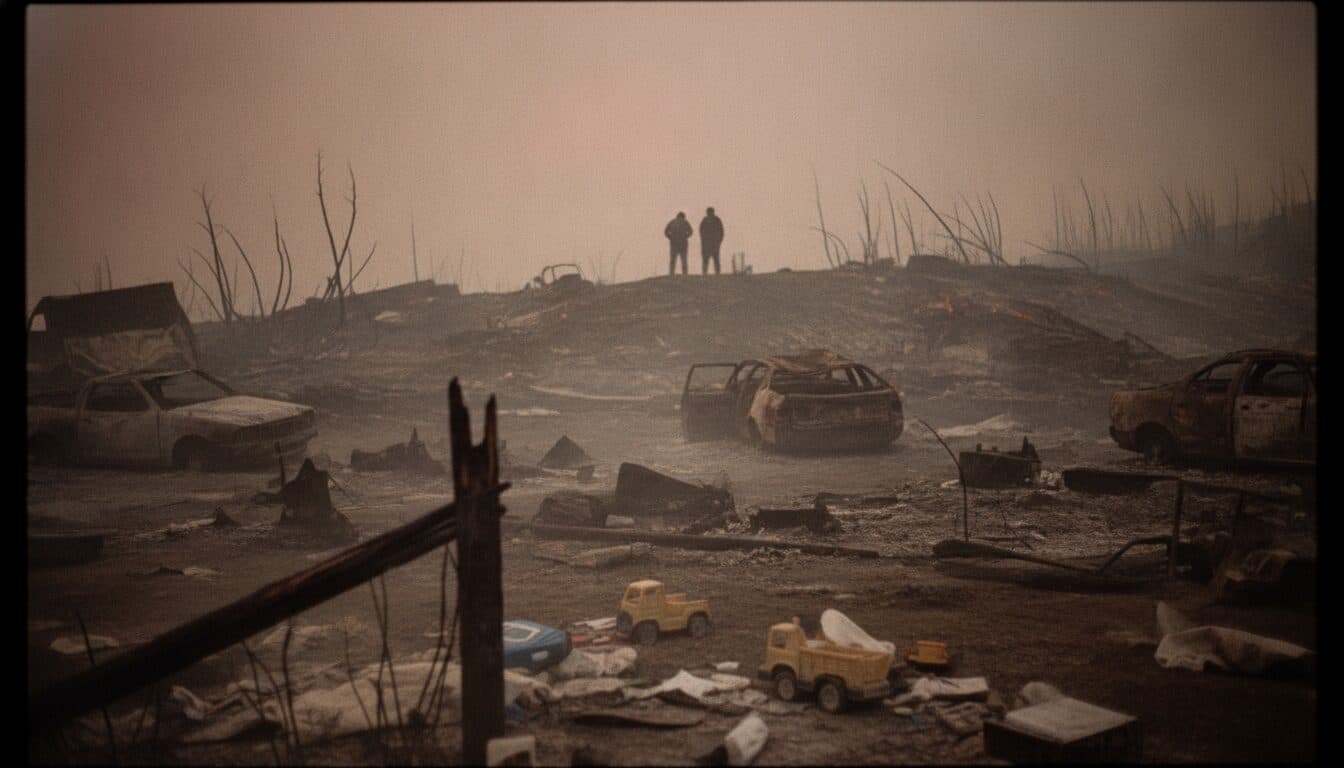
Southern France is grappling with a rapidly escalating crisis as wildfires force mass evacuations, particularly around the highly popular tourist hub of Lège-Cap Ferret. The fires, fueled by extreme heat and prolonged drought, represent a stark illustration of climate change’s immediate and devastating impact on European economies and communities. With over 20,000 individuals, many of them vacationers, displaced, the region faces an unfolding humanitarian challenge and significant financial repercussions.
The most severe blaze, situated in a dense pine forest southwest of Bordeaux, has now consumed more than 31 square kilometers (12 square miles) of land. Reports also indicate the fire has spread across upwards of 2,400 hectares (5,900 acres), coming perilously close – within 300 meters – of homes in Lège. The conflagration originated near the village of Saumos, approximately 40km (25 miles) west of Bordeaux, and has necessitated widespread evacuations across the Gironde department. Overnight on Thursday, July 23, 2026, more than 10,000 people were forced to flee, predominantly tourists from campsites and holiday accommodations, alongside 1,000 residents living near the forest edge. The village of Claouey also saw a precautionary evacuation of 8,800 people, with nine local municipalities opening reception centers to shelter over 2,500 evacuees.
The scale of the firefighting effort is immense, with approximately 700 firefighters, bolstered by reinforcements from the Paris region, battling the inferno. Four water-bombing planes are also deployed, underscoring the severity of the situation. As of Thursday, July 23, 2026, remarkable efforts have prevented widespread casualties, with no deaths reported and only one home destroyed, a testament to the rapid response and organized evacuation efforts. However, the Gironde prefecture, under Sophie Brocas, has cautioned that the situation remains “unfavorable” and the fire is not yet stabilized, despite being contained to the north of Lège. Roads leading to the exclusive Cap Ferret peninsula have been sealed off to non-essential traffic, disrupting travel and local commerce.
“Overnight, the fire spread more quickly than we had imagined,” stated Philippe de Gonneville, the mayor of Lège-Cap Ferret, highlighting the unpredictable and rapid progression of the blaze.
The financial impact of these wildfires extends beyond immediate property damage. The region, a prime tourist destination, relies heavily on its summer season. Mass evacuations and the closure of key areas will undoubtedly lead to significant losses for local businesses, from hotels and restaurants to tour operators and ancillary services. Holidaymakers, like Sylvie from Paris, recounted the sudden disruption: “‘Get your bags ready, we’re going to be evacuated during the night.’ We put the bulk of our stuff in the car boot and left.” Elke Urbain, a Belgian holidaymaker, received similar urgent advice on the beach: “go back immediately to the campsite and gather your things.” Such experiences deter future tourism, impacting long-term economic recovery.
This crisis is not an isolated incident but rather a symptom of a broader, more alarming trend of extreme weather gripping Southern Europe. France has endured three almost consecutive heatwaves since May 2026. Western Europe recorded its hottest June on record, and the second warmest globally, with average temperatures soaring to 20.74 °C – more than 3 °C above the 1991-2020 average. France itself registered a scorching 43.8 °C in Pulluau on June 24, with its average temperatures hitting a new high of 30 °C. This prolonged heat has intensified drought conditions, straining water supplies and turning vast swathes of vegetation into tinderboxes, creating ideal conditions for wildfires force mass evacuations.
Scientists are unequivocal: climate change is exacerbating the frequency and intensity of these heat and drought events, rendering the region increasingly vulnerable to devastating wildfires. A marine heatwave currently affecting 80% of the Mediterranean Sea’s surface area, with daily temperatures reaching “extreme” levels and some anomalies 5°C hotter than the 1991-2020 average, further underscores the systemic nature of this environmental shift. The severity of fires across the EU has already broken records for this time of year, with nearly twice as much land burned by July 22 than the average for that date over the last two decades. Both France and Spain have reported record numbers of fires. Interior Minister Laurent Nunez revealed that over 12,500 wildfires have erupted in France since the start of the year, incinerating almost 44,000 hectares – exceeding the total for all of last year.
Looking ahead, the immediate priority remains containing the fires and ensuring the safety of all residents and tourists. However, the long-term implications are profound. The frequency of such intense wildfires force mass evacuations will necessitate significant investments in fire prevention, early warning systems, and resilient infrastructure. Insurance markets are likely to see increased premiums and potentially re-evaluate coverage in high-risk zones. The tourism sector, a cornerstone of the French economy, must adapt to a future where extreme weather events are more commonplace, potentially shifting seasonal patterns or encouraging diversification of attractions. The suspected cause of the current blaze, suggested by Le Porge mayor Martial Zaninetti as possibly linked to a machine clearing undergrowth, if confirmed, will also prompt stricter regulations and oversight in land management practices.
The situation in Southern France serves as a stark reminder of the escalating costs – both human and economic – of climate change. For investors and policymakers, these events are not merely environmental news but critical indicators of shifting risks and opportunities across various sectors, from real estate and agriculture to insurance and sustainable technologies. The imperative to mitigate climate change and adapt to its realities has never been more urgent.