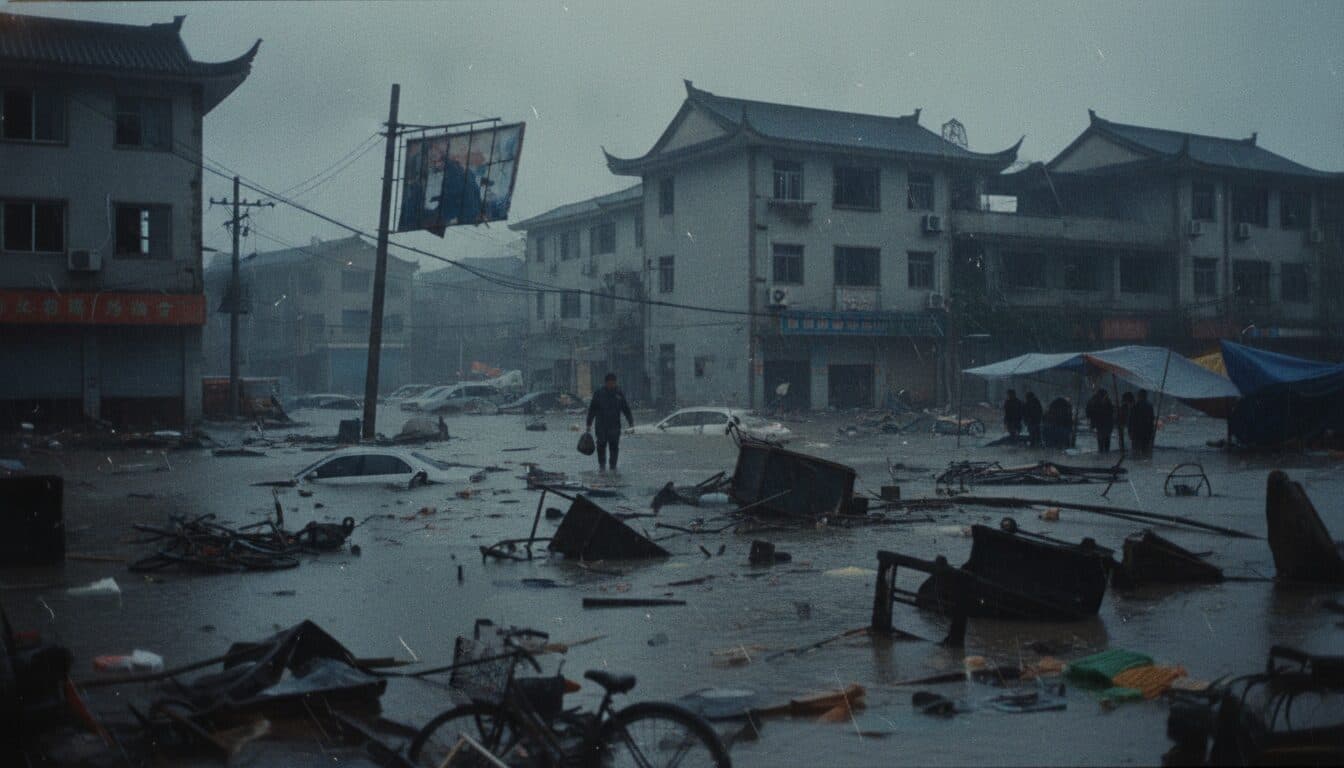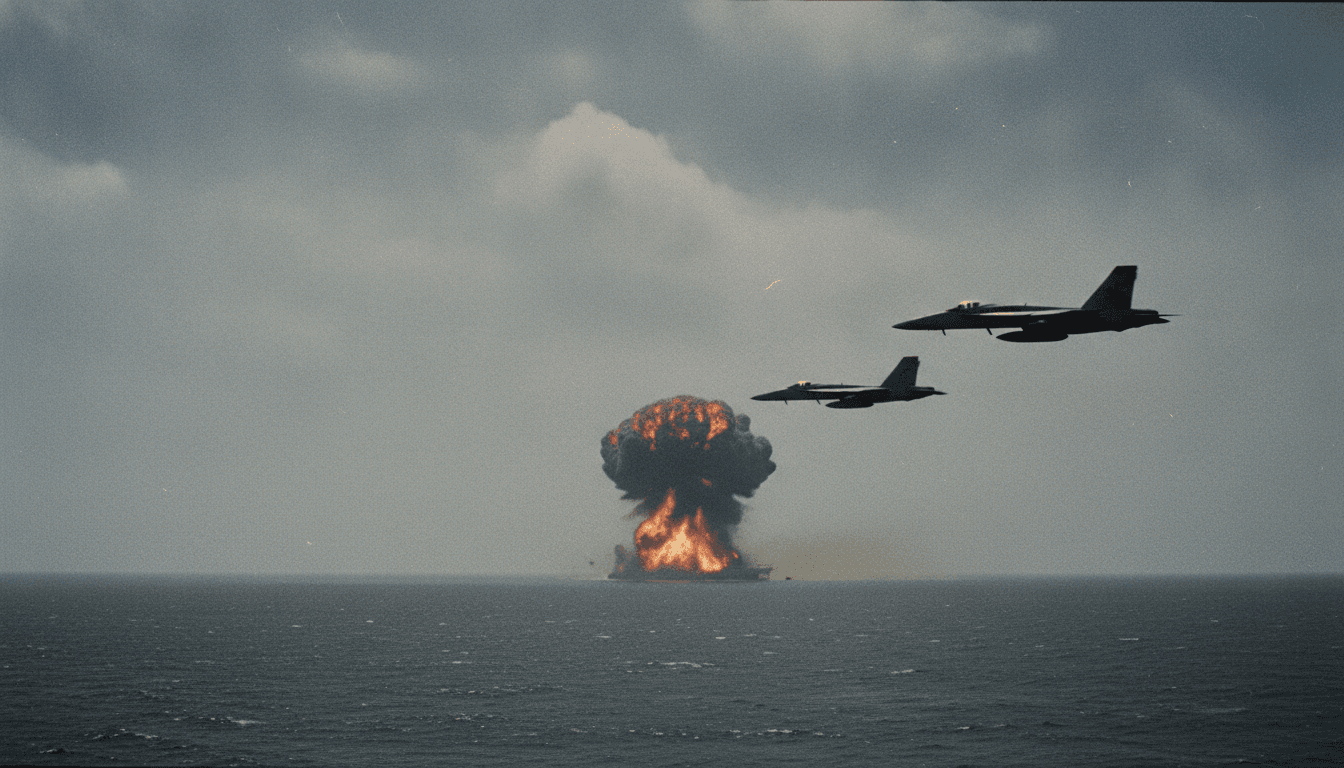
The fragile two-month ceasefire between the United States and Iran has shattered, with both nations exchanging direct military strikes for a second consecutive day. This rapid escalation, triggered by the downing of a US Apache helicopter, signals a dangerous new chapter in an already volatile region, sending tremors through global financial markets and igniting fears of a broader conflict.
The direct exchange of strikes marks a dramatic unraveling of the truce brokered by Pakistan in April 2026, which aimed to de-escalate tensions following a 12-day Iran-Israel war in June 2025 that had drawn the US into the fray. The initial ceasefire, agreed upon April 8, 2026, was later extended indefinitely by President Trump on April 21, 2026, offering a glimmer of hope for stability. That hope has now dimmed considerably.
Hostilities reignited on June 10, 2026, when a US Apache helicopter crashed near the critical Strait of Hormuz. While the US swiftly attributed the incident to Iranian action, Tehran vehemently denied culpability, dismissing the accusation as a “false pretext” for American aggression. Hours later, the US launched a series of “self-defense strikes” against what it described as “multiple targets” across Iran. These targeted Iranian military surveillance capabilities, communication systems, and air defense sites in key cities including Bandar Abbas, Qeshm, Hengam, Sirik, Minab, Karaj, and Dashti County.
President Donald Trump wasted no time in issuing a stark warning, declaring that Iran would “pay the price” for stalled negotiations and vowing to hit Iran “very hard” again. “We hit them hard yesterday and we’re going to hit them hard again today,” he stated, underscoring the immediate intent for further action. True to his word, the US Central Command confirmed that its latest round of airstrikes concluded just before sunrise on Thursday, June 11, in response to “Iran’s unwarranted and continued aggression.”
Iran’s retaliation came swiftly and decisively on June 11, 2026, with strikes targeting US airbases in Bahrain, Kuwait, and Jordan. The impact was immediate and tangible: Kuwait temporarily closed its airspace, while Bahrain reported an 11-year-old girl injured and damage to cars and homes from “falling debris.” The US Embassy in Jordan issued an urgent warning, advising American citizens to shelter in place due to missiles in Jordanian airspace. Iran’s Foreign Ministry, on Thursday, June 11, 2026, declared the US attacks had rendered the April 8 ceasefire “meaningless,” condemning them as a “blatant violation” of the UN Charter and international law, asserting its “inherent right to self-defense.” Tehran also criticized nations allowing their territory to be used for attacks against it.
Global Economic Impact of Renewed US, Iran Strikes
The economic fallout from this renewed aggression is already significant, primarily through its disruption of oil supplies via the Strait of Hormuz. This vital waterway, through which a fifth of the world’s oil passes, is once again at the heart of geopolitical risk. Oil prices, which had surged to nearly $120 a barrel in March 2026 before settling closer to $90, are now under renewed upward pressure. US gasoline prices, already up to an average of $3.48 a gallon from under $3, are expected to climb further. Economists are sounding alarm bells, warning that every 10% increase in oil prices could push global inflation up by 0.4 percentage points and reduce worldwide economic output by as much as 0.2%.
This latest tit-for-tat exchange marks the third such escalation this week, following earlier attacks between Iran and Israel, underscoring the deeply interconnected and volatile nature of regional conflicts. Despite the gravity of the situation, US officials have attempted to manage expectations, claiming the ceasefire technically remains in place and wider negotiations are unaffected. President Trump has repeatedly expressed a desire for a “meaningful” deal with Iran but has accused Tehran of “playing us for suckers” and taking “too long to negotiate.” Reports suggest the US has conveyed through Qatar that the strikes are not a “restart of all-out war” but a targeted response to the helicopter incident. However, Iran’s unwavering insistence on maintaining control over the Strait of Hormuz remains a formidable bargaining chip, complicating any path to de-escalation.
“The direct exchange of strikes between the US and Iran marks a dangerous new chapter, effectively dismantling months of delicate diplomatic efforts and pushing global stability to the brink.”
Looking ahead, the immediate future is fraught with uncertainty. The potential for further escalation is high, particularly if either side miscalculates or if new incidents occur. The international community, already grappling with persistent inflationary pressures and geopolitical instability, will be watching closely for any signs of de-escalation or, conversely, a slide into broader conflict. The role of mediators like Pakistan and Qatar will become even more critical, though their ability to bridge the widening chasm between Washington and Tehran remains to be seen. The coming days will be crucial in determining whether this renewed aggression can be contained or if the region is destined for a more profound and costly confrontation.
For investors and businesses, the key takeaway is clear: the risk premium associated with Middle Eastern energy supplies has surged. Companies with significant exposure to the region or those heavily reliant on stable oil prices will need to recalibrate their strategies. The renewed US, Iran strikes underscore the persistent geopolitical risks that continue to shape global markets, demanding vigilance and robust contingency planning.