The fragile ceasefire between the United States and Iran has shattered, giving way to direct military engagement following the downing of a U.S. Apache helicopter and subsequent retaliatory strikes. This dramatic escalation between the two geopolitical rivals, occurring on Wednesday, June 10, 2026, has sent tremors through global financial markets, particularly those tied to the crucial Strait of Hormuz, and raises serious questions about regional stability.
The immediate catalyst for this dangerous turn of events was the incident on Monday, June 8, 2026, when a U.S. Army AH-64 Apache helicopter crashed into the sea during a patrol in international waters off the coast of Oman, near the Strait of Hormuz. President Donald Trump confirmed on Tuesday, June 9, that the “highly sophisticated Apache Helicopter” had been shot down by Iran. U.S. officials, drawing on initial reports and intelligence, pointed to an armed Iranian Shahed drone as responsible for striking the aircraft, though the intentionality of the collision remains under investigation.
Remarkably, the two U.S. Army soldiers aboard the Apache were rescued approximately two hours after the crash. Their recovery was facilitated by a Saronic Corsair, a 24-foot autonomous surface vessel operated by Task Force 59 of the U.S. Fifth Fleet, based in Bahrain. This marks a significant milestone: the first known instance of the U.S. military deploying an unmanned vessel for personnel recovery at sea. Both crew members were reported safe, uninjured, and in stable condition.
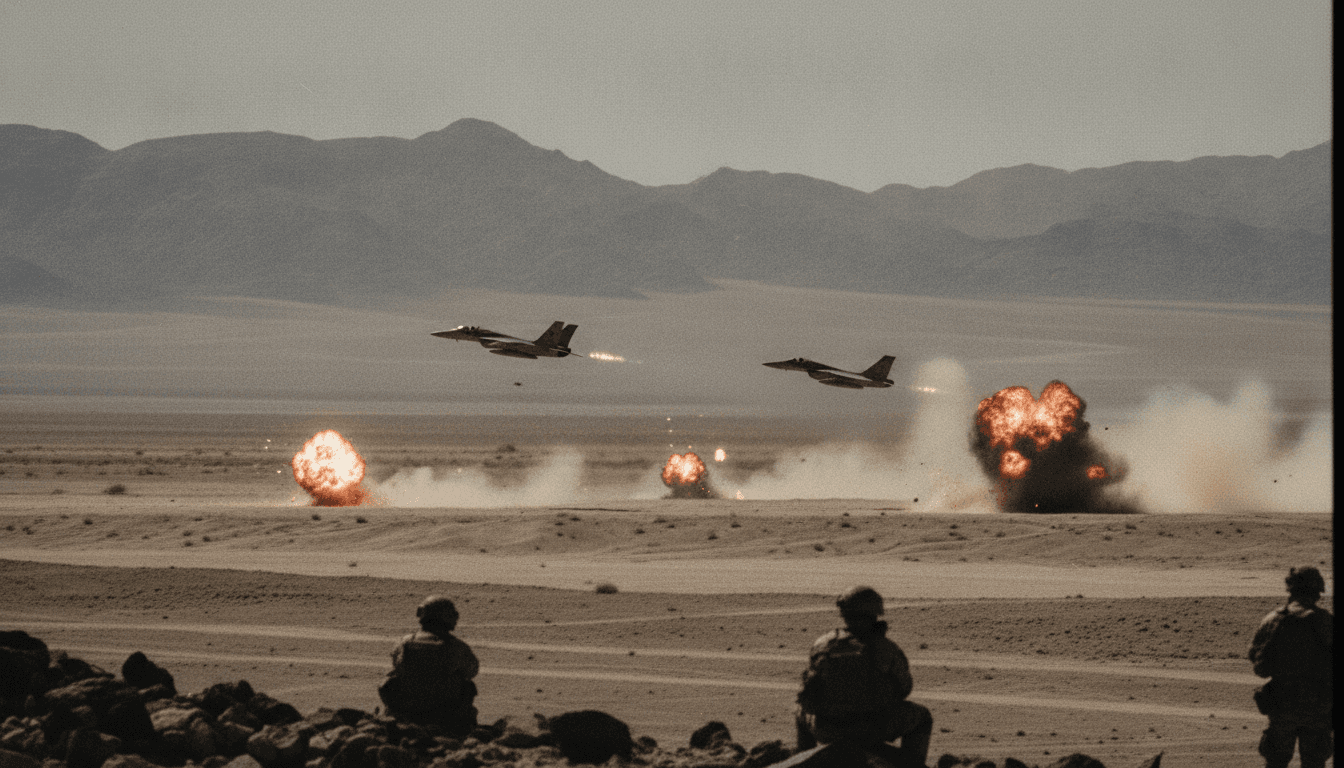
Following the downing, President Trump vowed a response, stating, “Nevertheless, the United States must, of necessity, respond to this attack.” On Tuesday, June 9, at 5 p.m. ET, U.S. Central Command (CENTCOM) announced the commencement of “self-defense strikes” on Iran. These actions, characterized as a “proportional response to unjustified Iranian aggression,” targeted Iranian air defense sites, ground control stations, and surveillance radar near the Strait of Hormuz. Air Force and Navy fighter jets carried out the strikes, hitting nearly 20 Iranian targets, according to a U.S. official.
Iran swiftly retaliated. Early Wednesday, June 10, 2026, Iran’s Revolutionary Guard Corps (IRGC) claimed responsibility for launching aerial attacks on U.S. bases and assets. Long-range missiles struck the Ali Al Salem Air Base in Kuwait and four sites at the U.S. al-Azraq base in Jordan. The IRGC specifically cited F-35 fighter jet hangars and a command-and-control center in Jordan as targets. Concurrently, Iran’s army announced drone strikes on the U.S. Fifth Fleet and radar installations in Bahrain. Sirens blared in Bahrain, and the Kuwait Army reported intercepting hostile aerial targets. According to Axios Global Affairs Correspondent Barak Ravid, a U.S. official indicated Iran fired four ballistic missiles and several drones at U.S. bases in Bahrain, Kuwait, and Jordan. However, U.S. officials reported that most of these projectiles were intercepted, with no U.S. casualties or significant damage. Jordan’s armed forces confirmed shooting down five Iranian missiles without injuries.
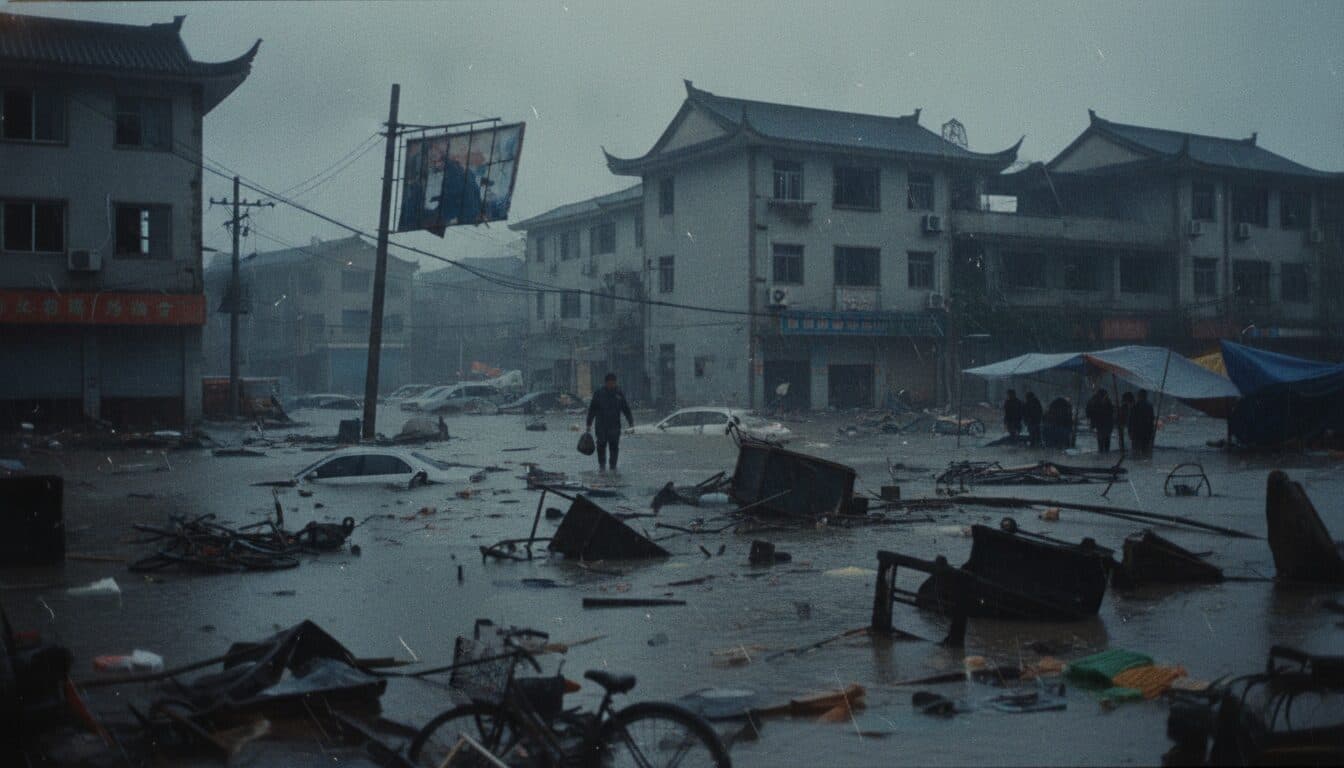
The financial ramifications of this escalation between the US and Iran are immediate and severe. The Strait of Hormuz, a choke point through which approximately 20% of the world’s oil transits, has been effectively closed for over 100 days due to the ongoing conflict. This latest exchange of fire further destabilizes the region and threatens to prolong or even tighten this critical blockade, driving up energy prices globally. Oil futures surged in early trading on Wednesday, reflecting investor anxiety over potential supply disruptions. Shipping and insurance premiums for vessels operating anywhere near the Persian Gulf are expected to skyrocket, impacting global trade and supply chains already strained by previous tensions.
This incident is not an isolated event but the culmination of weeks of simmering tensions, punctuated by a tenuous ceasefire that has now clearly collapsed. The Iranian Foreign Ministry condemned the U.S. attacks as a “violation of sovereignty” and reiterated Iran’s right to respond in “legitimate defense,” issuing a stark warning that foreign military forces in the region “are at constant risk.” The direct engagement marks a dangerous departure from proxy conflicts and adds a new layer of complexity to an already volatile geopolitical landscape. The use of advanced unmanned systems by both sides — the Iranian Shahed drone and the U.S. Saronic Corsair sea drone — also highlights the evolving nature of modern warfare and the increasing role of autonomous technology in military operations.
“This direct exchange of fire between the US and Iran moves beyond sabre-rattling and into a new, dangerous phase of military confrontation. The immediate impact on global oil markets is inevitable, but the long-term implications for regional stability and international relations are far more profound,”
The immediate future is fraught with uncertainty. Will this exchange of strikes lead to further retaliation, spiraling into a wider regional conflict? Or will diplomatic channels, however strained, manage to re-establish some form of de-escalation? Investors and policymakers will be closely watching for any signs of direct or indirect communication between Washington and Tehran, as well as the posture of regional allies. The potential for miscalculation remains high, particularly given the ambiguous nature of the initial helicopter incident. The global economy, already grappling with inflation and geopolitical uncertainties, now faces the added burden of heightened Middle East instability. The imperative for de-escalation has never been more urgent, yet the path to achieving it appears increasingly narrow, with the US and Iran exchange strikes marking a critical inflection point.
The key takeaway for investors and global citizens alike is the profound risk this direct military confrontation poses. Beyond the immediate market fluctuations, the potential for sustained disruption to global energy supplies and the broader threat to international peace and security cannot be overstated. This is not merely a regional flare-up; it is a significant geopolitical development with the potential to reshape alliances, alter trade routes, and redefine the global risk landscape for years to come. The world watches with bated breath as the US and Iran exchange strikes, pushing the Middle East to the brink.