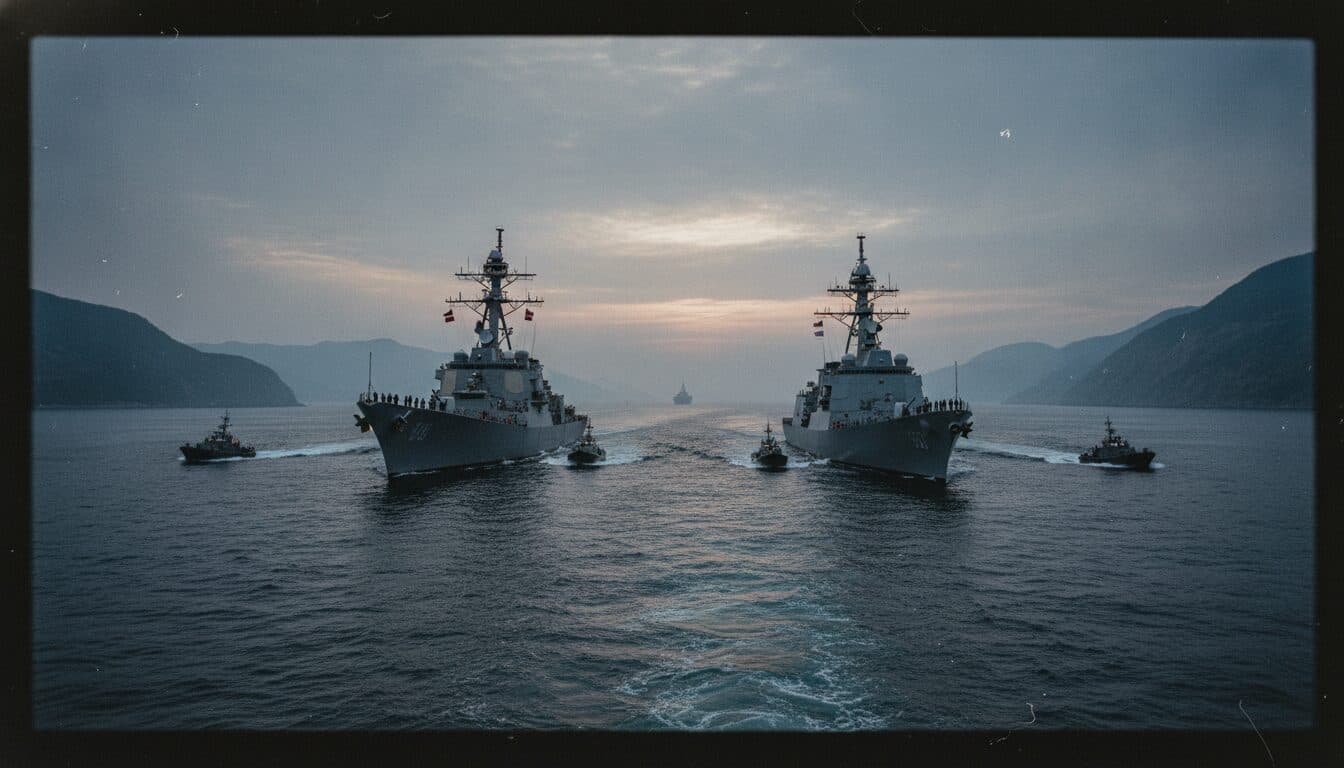
The volatile relationship between the United States and Iran has erupted into direct military confrontation, casting a long shadow over already faltering peace negotiations. A series of tit-for-tat strikes on June 2nd and 3rd, 2026, saw Iranian missiles and drones target US interests and civilian infrastructure, drawing swift condemnation and raising alarms about a significant escalation in Middle East tensions.
The immediate impact was felt profoundly in Kuwait, where a retaliatory Iranian missile and drone attack on June 3rd struck Kuwait’s international airport. Terminal One sustained significant material damage, leading to the suspension of air traffic and diversion of flights. Tragically, one Indian national was killed, and at least 63 people were wounded in the attack. Iran’s Islamic Revolutionary Guard Corps (IRGC) claimed responsibility, stating the strikes targeted US military bases in Kuwait, including Ali Al Salem Air Base, and the headquarters of the US Navy’s Fifth Fleet in Bahrain. However, US Central Command (CENTCOM) denied any hits on the Fifth Fleet headquarters or other regional air bases.
This Iranian retaliation followed US “self-defense strikes” on June 2nd against an Iranian military ground control station and other targets on Qeshm Island, near the Strait of Hormuz. These US actions came after Iranian ballistic missiles were fired towards Kuwait and Bahrain, with three missiles targeting Bahrain successfully intercepted by US and Bahraini air defense forces. CENTCOM also reported shooting down three Iranian one-way attack drones aimed at civilian vessels. Iran’s Foreign Ministry condemned the US strikes as “acts of aggression.”
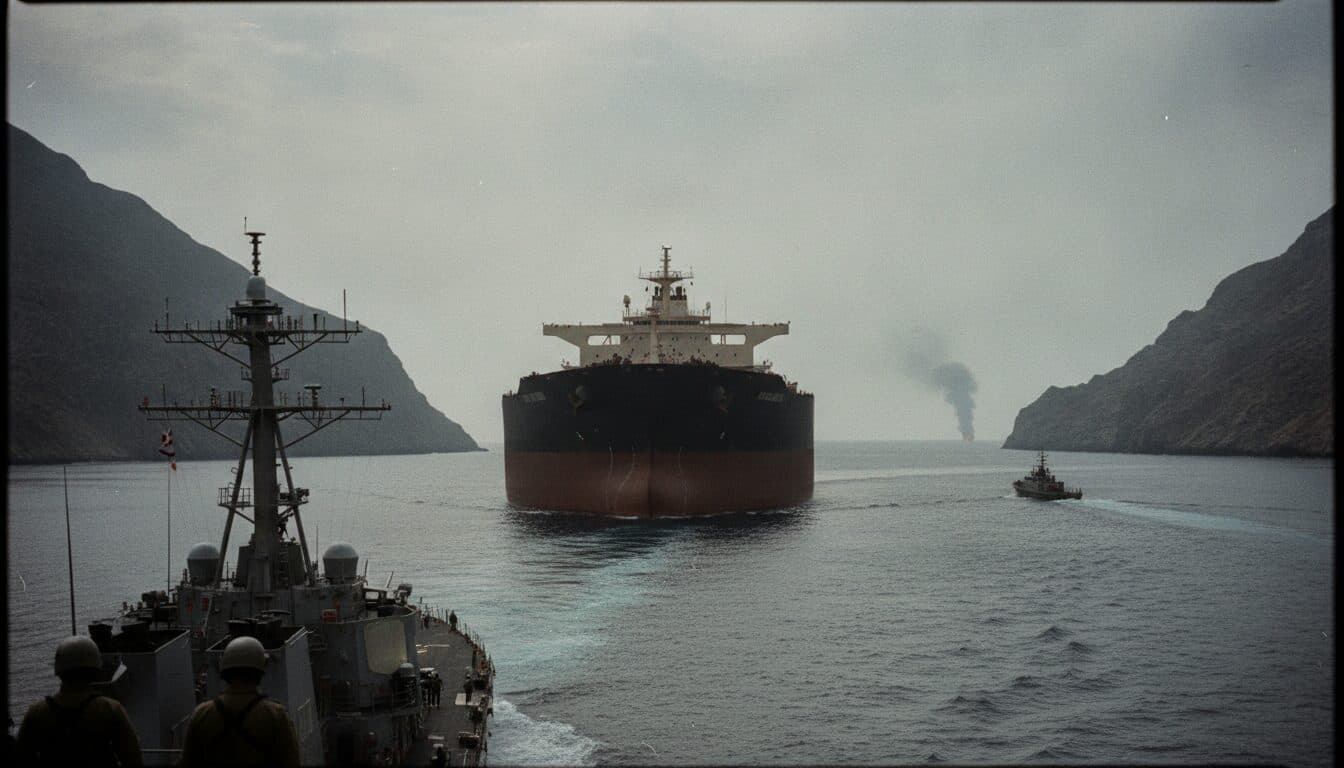
The escalating US-Iran strikes have sent ripples through global markets, particularly impacting oil and natural gas prices given the Strait of Hormuz’s critical role in global energy trade. With Iran having effectively closed the Strait during the conflict, the renewed hostilities further complicate efforts to reopen this vital waterway. Investors are closely watching for any broader regional destabilization that could disrupt supply chains and commodity flows, particularly as the conflict is increasingly tied to Israel’s ongoing war with Hezbollah in Lebanon.
US-Iran Strikes Intensify Amidst Stalled Diplomacy
These recent US-Iran strikes unfold against a backdrop of deeply troubled peace negotiations. On June 1st, Iranian state media reported a suspension of indirect talks with the US, citing continued Israeli military operations in Lebanon as a violation of the ceasefire. Tehran has consistently insisted that any truce must include an immediate cessation of Israeli operations in Gaza and Lebanon. Conversely, US President Donald Trump, on June 3rd, denied these reports, asserting that talks were “going on continuously” and at a “rapid pace,” expressing confidence in reaching an agreement to extend the ceasefire and reopen the Strait of Hormuz.
The weeks-long negotiations have been fraught with key sticking points, including Iran’s nuclear program, the reopening of the Strait of Hormuz, and Iranian demands for economic relief. Secretary of State Marco Rubio indicated that Washington is pushing for limits on Iran’s nuclear enrichment in exchange for sanctions relief. The intertwined nature of the regional conflicts means that a resolution between the US and Iran is heavily dependent on a broader de-escalation, particularly regarding the fighting between Israel and Hezbollah.
“The direct exchange of fire underscores the profound mistrust and the razor-thin margin for error in this highly volatile region. Every strike, every intercepted missile, pushes the prospect of a lasting peace further away.”
Looking ahead, the immediate future appears precarious. The direct US-Iran strikes have significantly raised the stakes, making any diplomatic breakthrough even more challenging. Expert predictions suggest that without a major shift in negotiating positions or a de-escalation of regional conflicts, the cycle of hostility could continue. The focus will remain on whether President Trump’s optimism about ongoing talks can translate into tangible progress, or if the current trajectory leads to further military confrontations. The global community will be watching for any signs of a renewed push for dialogue or, conversely, additional retaliatory actions that could plunge the region into a deeper crisis.
For readers and investors, the key takeaway is the heightened risk environment. The direct US-Iran strikes have demonstrated a willingness by both sides to engage militarily, transcending the proxy warfare that has often characterized their rivalry. This escalation carries significant implications for oil prices, shipping security in the Persian Gulf, and the broader stability of the Middle East. Businesses with operations or supply chains in the region, and investors exposed to energy markets, should brace for continued volatility and carefully monitor geopolitical developments.