The fragile ceasefire between the United States and Iran has shattered, giving way to a direct exchange of military strikes that reverberates through global stability, sends oil markets surging, and casts a long shadow over international relations. This escalation, culminating in Iran’s direct targeting of a US airbase in Kuwait, marks a perilous new chapter in an already volatile region, with profound implications for the world economy.
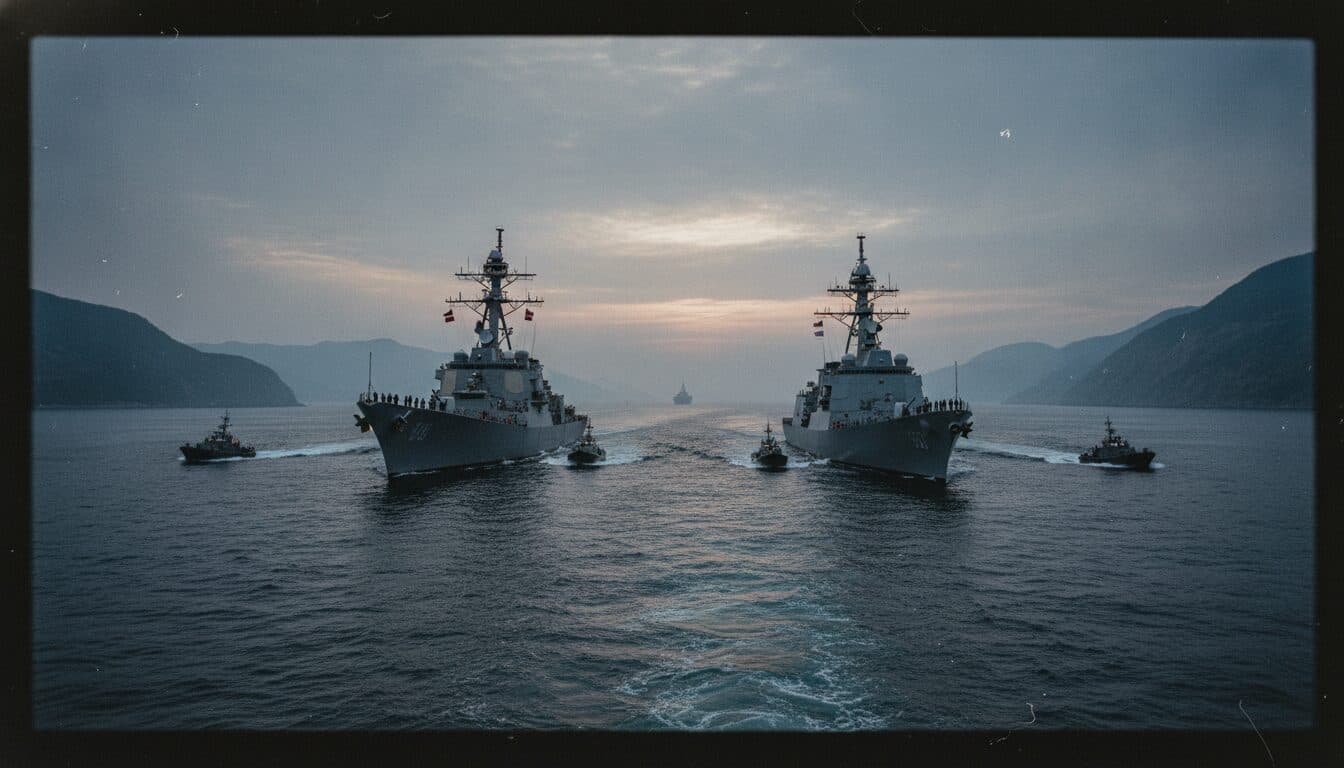
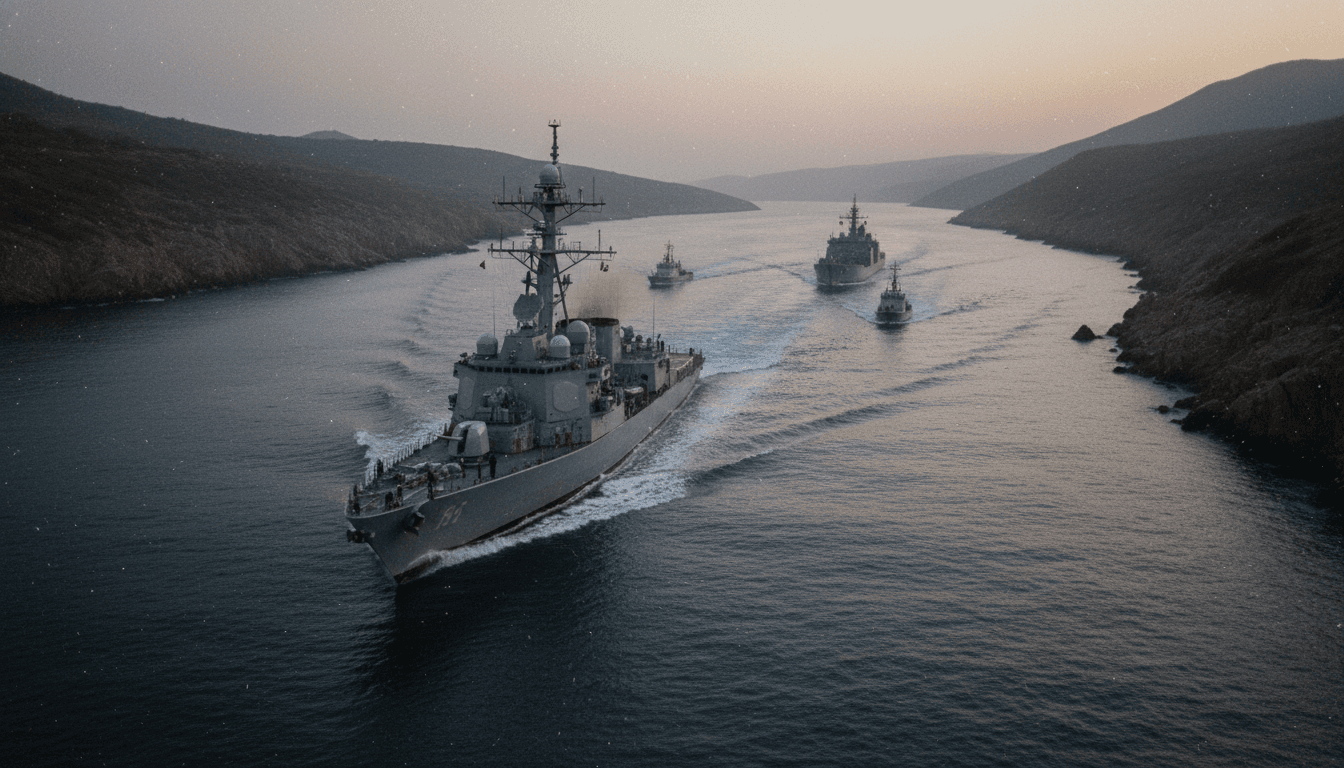
The latest round of hostilities commenced on Wednesday, May 27, 2026, when the US military launched what it termed “self-defense strikes” in southern Iran. These actions targeted missile launch sites and vessels allegedly attempting to lay mines in the crucial Strait of Hormuz. Captain Tim Hawkins, a spokesperson for US Central Command (CENTCOM), confirmed these strikes were undertaken to safeguard US personnel from threats emanating from Iranian forces. In a further defensive measure, US forces successfully shot down four Iranian one-way attack drones near the Strait. An anonymous US official further elaborated that an Iranian ground control station in Bandar Abbas, reportedly preparing to launch a fifth drone, was also struck. These US operations were characterized as “measured, purely defensive, and intended to maintain the ceasefire.” Countering this, Iranian state broadcaster IRIB reported that its forces had fired upon four ships attempting to traverse the Strait of Hormuz without proper coordination.
The situation dramatically escalated the following day, Thursday, May 28, 2026. Iran’s Revolutionary Guard announced it had retaliated, targeting a US airbase in Kuwait around 4:50 a.m. local time. Kuwait’s army swiftly confirmed the interception of hostile missile and drone threats by its air defenses just before 6 a.m. in Kuwait City. The US military subsequently corroborated the incident, stating that Iran had launched a ballistic missile towards Kuwait at 10:17 p.m. ET on May 27, which was successfully intercepted. Washington condemned this act as an “egregious ceasefire violation,” underscoring the rapid unraveling of the tentative peace.
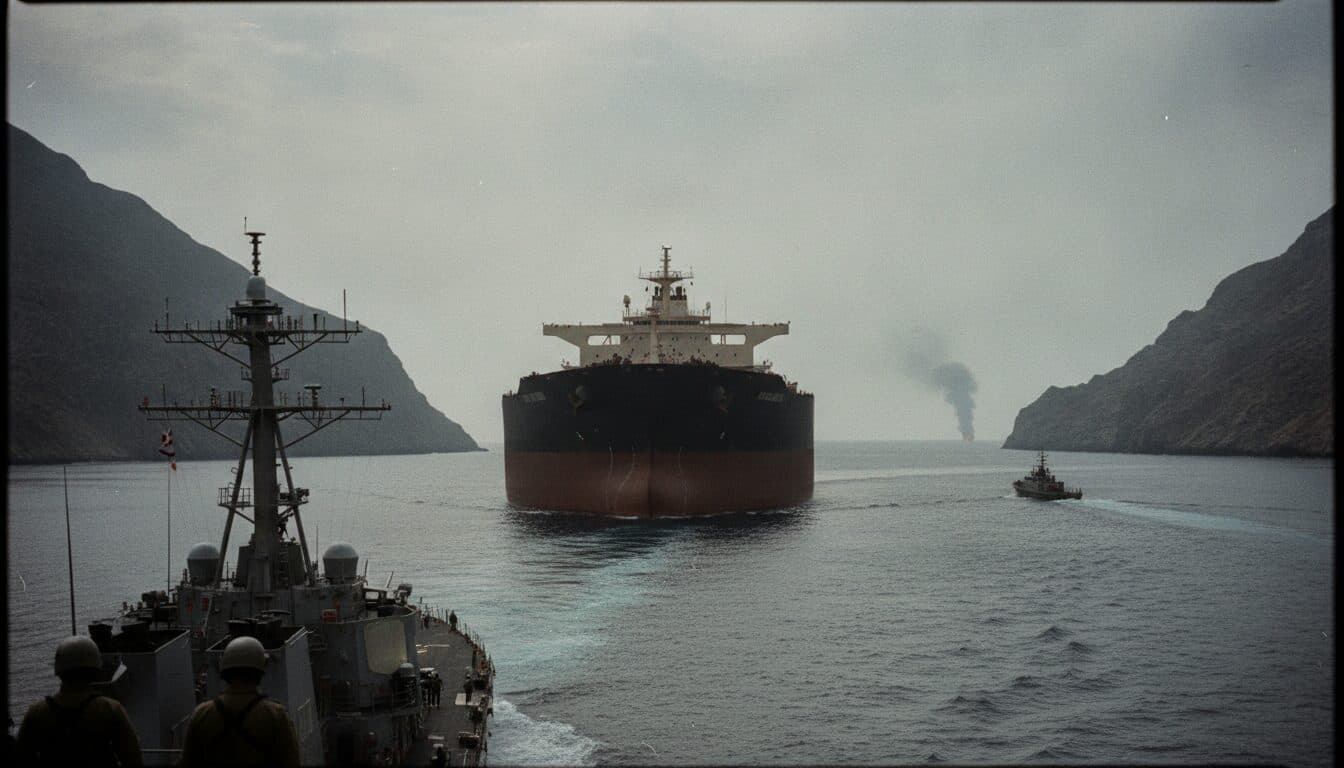
The immediate impact of these escalating tensions has been most acutely felt in global energy markets. Oil prices surged dramatically on May 28, reflecting deep investor concern over supply disruptions. Brent crude futures jumped by nearly 2.5% to reach $96.40 a barrel, while West Texas Intermediate (WTI) climbed approximately 2% to $90.68 a barrel. The Strait of Hormuz, a choke point for roughly a fifth of the world’s oil supply, remains at the heart of the crisis. Iran has repeatedly threatened to “completely close” the Strait if its infrastructure is targeted, a threat that gains ominous weight with each exchanged strike. The US Treasury Department’s recent sanctioning of the Persian Gulf Strait Authority, an entity Iran established to manage passage and levy tolls, further highlights the strategic importance and contentious nature of this waterway. President Trump has unequivocally stated that no nation will be permitted to control the Strait of Hormuz, setting a clear red line.
This latest flare-up is set against a backdrop of a deeply fragile ceasefire, initiated in early April 2026, which has now been severely tested. Hopes for a lasting peace deal, already tenuous, have been significantly dampened. Adding another layer of complexity, Iran has issued a “blunt nuclear ultimatum,” injecting a new and alarming dimension into the crisis. On May 27, President Donald Trump warned Iran faces “total military destruction” should it fail to agree to a deal, reiterating his firm stance that “Iran cannot have a nuclear weapon.” Trump dismissed reports of a compromise deal concerning the Strait of Hormuz as “complete fabrication” and voiced dissatisfaction with ongoing negotiations, hinting that the US might “finish the job” if a resolution is not reached. Iran, however, reportedly demands the release of frozen assets and the lifting of sanctions as prerequisites for any deal, refusing to discuss its nuclear program without economic relief. Iran’s Supreme Leader Ayatollah Mojtaba Khamenei has accused the US and Israel of actively seeking to destabilize the Islamic republic.
“The direct military exchange between the US and Iran, coupled with Tehran’s nuclear ultimatum, has fundamentally altered the risk landscape. This isn’t just about regional stability; it’s a test of global resolve and a direct threat to the arteries of international trade.”
Looking ahead, the immediate future appears fraught with peril. The direct exchange of strikes and Iran’s nuclear ultimatum signal a dangerous escalation that could quickly spiral out of control. Analysts predict continued volatility in oil markets as traders factor in increased geopolitical risk. The focus will undoubtedly turn to whether diplomatic channels can be re-established or if the region is poised for further military confrontation. The intensifying Israeli attacks on southern Lebanon further compound the regional instability, creating a multi-front crisis that demands urgent international attention. Investors and policymakers alike will be closely watching for any signs of de-escalation or, conversely, further provocations that could push the region, and indeed the world, closer to a broader conflict.
For readers and investors, the key takeaway is clear: the direct exchange of military strikes between the US and Iran, coupled with Iran’s nuclear ultimatum, represents a significant and dangerous escalation. This is not merely a regional skirmish but a development with profound implications for global energy security, international trade, and the delicate balance of power. The potential for further disruption to critical shipping lanes, sustained high oil prices, and the specter of nuclear proliferation demand constant vigilance and careful consideration in strategic planning.