A seismic shift in geopolitical sands appears imminent as President Donald Trump announced a potential peace deal with Iran on Saturday, June 13, 2026. The agreement, slated for signing as early as Sunday, June 14, 2026, promises the immediate reopening of the critical Strait of Hormuz to all maritime traffic, a development set to send ripples through global energy markets and reshape Middle Eastern diplomacy. While Trump expressed strong optimism, Iranian sources have tempered expectations, suggesting Tehran’s final decision is still pending, adding a layer of uncertainty to this high-stakes negotiation.
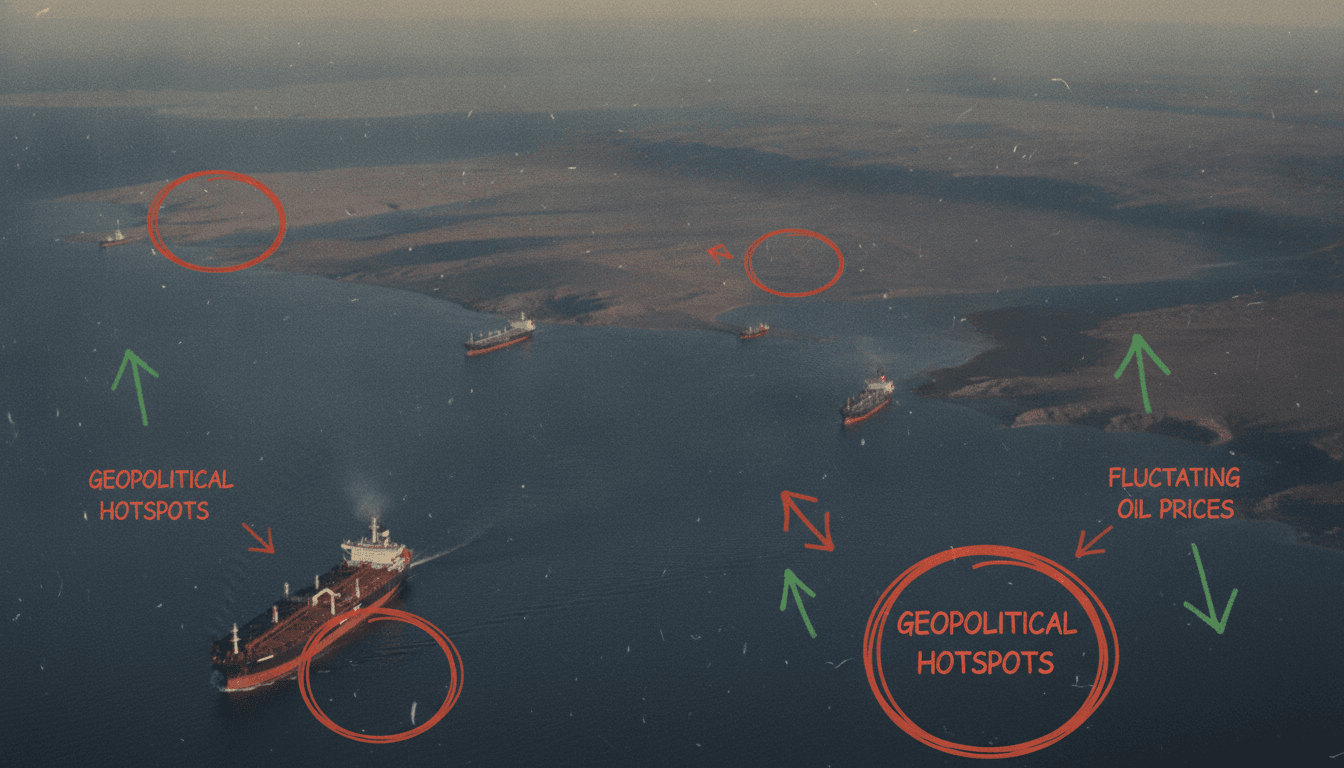
The central pillar of the proposed accord is the swift restoration of passage through the Strait of Hormuz, a vital chokepoint through which a fifth of the world’s oil and gas normally flows. Its effective closure since late February 2026, following the US launch of “Operation Epic Fury” against Iran, has driven energy costs skyward and disrupted global supply chains. The prospect of its immediate reopening has already triggered a downturn in oil prices, reflecting market anticipation of eased supply tensions and potentially lower crude oil prices.
President Trump asserted that the deal would permanently prevent Iran from acquiring a nuclear weapon, stating, “Iran no longer want a Nuclear Weapon, nor will they have one, either through purchase, development, or any other form of procurement.” A senior US official further indicated the agreement would entail the dismantling of Iran’s nuclear program and the destruction and removal of enriched uranium. Iran’s Foreign Minister Abbas Araghchi, however, clarified that the final terms of Iran’s nuclear program would be finalized within 60 days post-initial agreement, with Iran preferring to dilute its enriched uranium domestically.
Key mediators in these complex negotiations include Pakistan’s Prime Minister Shehbaz Sharif, who expressed optimism, and Qatari negotiators who flew to Tehran in a last-ditch effort to finalize the agreement. Despite Trump’s confidence, Iranian foreign ministry spokesperson Esmaeil Baghaei stated that the signing would “not be tomorrow” (referring to June 14th), though he did not rule out an agreement in the coming days. Iran’s Fars news agency, often reflecting conservative viewpoints, reported on Sunday that Tehran had not yet made a final decision on the memorandum of understanding, highlighting the internal divisions within Iran regarding the deal’s terms.
Reported terms of the deal include the lifting of US sanctions on Iran and the release of frozen Iranian assets, alongside the reopening of the Strait of Hormuz and the lifting of the US naval blockade on Iranian ports. Notably, no money is expected to exchange hands under the initial memorandum. The agreement also reportedly aims to end the war “on all fronts, including Lebanon,” where Israel has been engaged with the Iranian-allied militant group Hezbollah. However, Israel, not a party to the negotiations, has stated it does not plan to withdraw from Lebanon, creating a significant potential flashpoint. Iran’s ballistic missile program is reportedly not included in the agreement, a point of concern for some regional actors.
Economic Implications of Hormuz Reopening
The potential reopening of the Strait of Hormuz carries profound economic implications. Global oil prices, which had already fallen on Friday, June 13, 2026, due to optimism surrounding the deal, are expected to see further downward pressure. This would offer a much-needed reprieve to consumers and industries grappling with elevated energy costs. Shipping companies, which have faced increased insurance premiums and rerouting costs due to the Strait’s closure, would also benefit significantly from the restoration of normal traffic. The immediate impact on global trade flows and supply chain stability cannot be overstated. Investors will be closely watching for signs of concrete progress, as the volatility of energy markets remains tied to the delicate dance of diplomacy.
“The reopening of the Strait of Hormuz would be a game-changer for global energy markets, potentially easing inflationary pressures and stabilizing supply chains that have been under immense strain,”
However, the deal faces considerable opposition. Hardline Iranian figures have protested the potential agreement, arguing it does not serve Iran’s long-term interests and would deprive Tehran of crucial leverage over the Strait of Hormuz. Some Iranian analysts have also warned against a hasty reopening, suggesting it could allow the US and its allies to rebuild military and economic capabilities in the region. Israeli officials have voiced concerns that the reported terms of the memorandum could endanger Israel’s security interests, particularly regarding the lack of explicit provisions for their withdrawal from Lebanon and the exclusion of Iran’s ballistic missile program.
This potential breakthrough comes against a backdrop of intense regional tensions. Despite the optimism surrounding the deal, the US shot down several Iranian attack drones in the Strait of Hormuz early Saturday, June 13, 2026, which Trump labeled “TOTALLY UNACCEPTABLE.” Trump also issued a stern warning that if the process does not unfold “quickly, easily, and smoothly,” the US possesses “the ultimate alternative, hopefully never to be used again!” This underscores the fragility of the situation and the high stakes involved in these negotiations. For a deeper dive into the broader regional dynamics, readers can explore related trending articles on Middle East stability.
Looking ahead, the next 60 days will be crucial as technical talks regarding Iran’s nuclear program are scheduled to finalize the handling of enriched uranium. The conflicting statements from Washington and Tehran highlight the complexities of reaching a comprehensive agreement. Investors and policymakers alike will be scrutinizing every development, from diplomatic pronouncements to movements in the Strait of Hormuz. The success or failure of this deal will not only determine the trajectory of US-Iran relations but also significantly influence global energy security, regional stability, and the broader geopolitical landscape for years to come.
The key takeaway for readers and investors is the profound economic and geopolitical leverage tied to the Strait of Hormuz reopening. While the prospect of a deal offers a glimmer of hope for de-escalation and economic relief, the entrenched interests and lingering mistrust on all sides mean that the path to lasting peace remains fraught with challenges and potential reversals. The coming days will reveal whether this announced peace deal truly marks a new chapter in US-Iran relations or merely another twist in a long-standing saga of tension and negotiation.