The prospect of a peace deal between the United States and Iran remains profoundly uncertain, casting a long shadow over global geopolitics and the volatile oil markets. Despite claims from US President Donald Trump that a definitive agreement would be signed on Sunday, June 14, 2026, these assertions have been met with outright denials from Iranian officials, creating a maelstrom of conflicting reports that continues to fuel market anxiety and a scramble for clarity.
On Saturday, June 13, President Trump took to Truth Social, declaring that a “memorandum of understanding” between the two nations was slated for signing on Sunday. He further asserted that the critical Strait of Hormuz would be “immediately” reopened and that Iran had abandoned its pursuit of nuclear weapons, with the US prepared to retrieve and destroy nuclear waste once stability was achieved. Such pronouncements, designed to signal a breakthrough, instead ignited a firestorm of contradictory statements.
Iranian Foreign Ministry spokesperson Esmaeil Baghaei explicitly refuted the notion of a Sunday signing, though he did not entirely rule out an agreement in the “coming days.” Baghaei underscored the need for caution, citing the “hesitation of the other side” – a pointed reference to the United States. Iranian state media, including IRNA, echoed this sentiment, reporting that Tehran had not reached a final decision on a draft agreement and would not relinquish its right to enrich uranium or control over the Strait of Hormuz. This direct refutation from Tehran immediately punctured the optimism generated by Trump’s announcement, highlighting the deep chasm that still exists between the two sides.
Adding another layer of complexity, Pakistani Prime Minister Shehbaz Sharif, a key mediator in the protracted negotiations, announced on Saturday that a “final, agreed upon text” of a peace deal had been reached. Sharif stated an electronic signing was anticipated within 24 hours, to be followed by technical-level talks next week. He expressed confidence that this “historic peace deal will form a strong foundation for lasting peace.” Sharif’s statement, while seemingly positive, contrasted sharply with the Iranian denials, leaving observers to question the true state of the negotiations and the reliability of any single source.
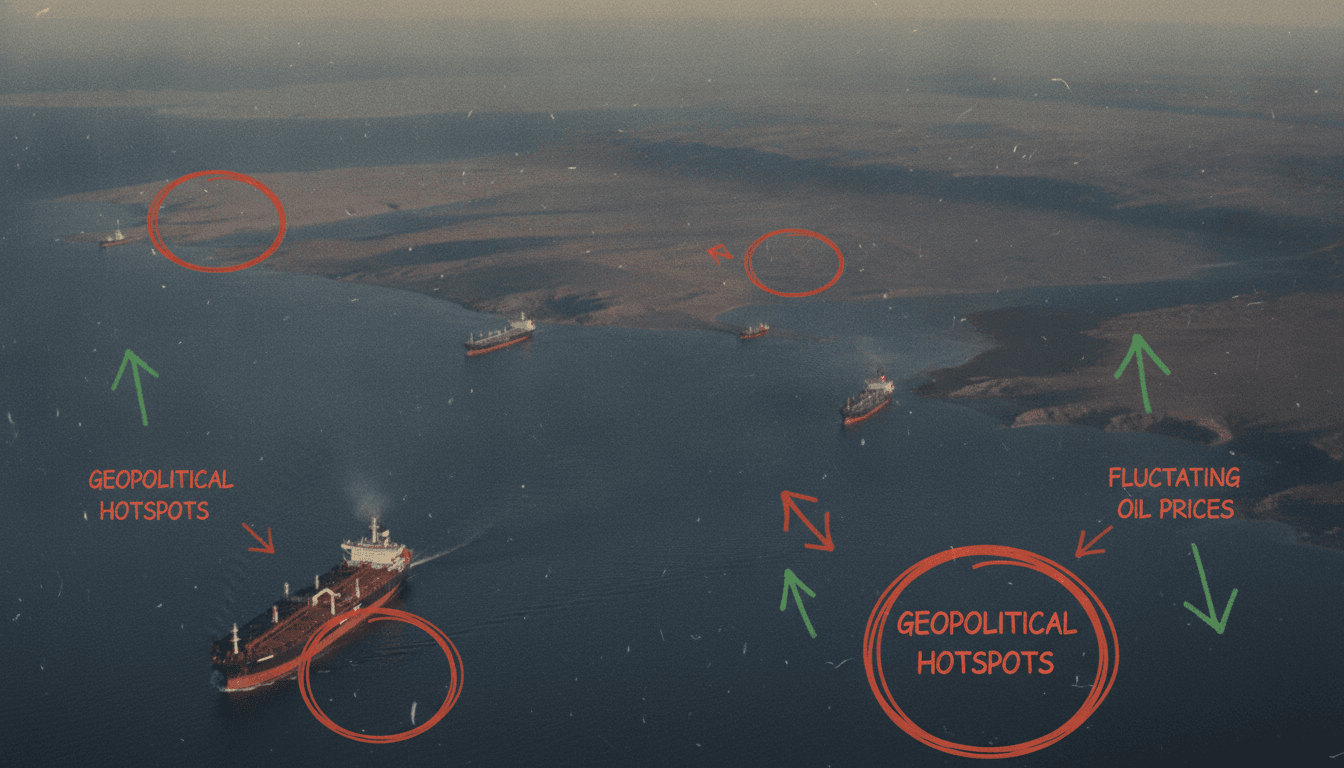
The core disagreements primarily revolve around the Strait of Hormuz and Iran’s nuclear program. US officials, including President Trump, maintain that the deal would immediately reopen the Strait of Hormuz to all shipping and lift the US naval blockade on Iranian ports. This vital choke point, through which approximately one-fifth of the world’s oil and liquid gas supplies pass, has been closed to most shipping since February 2026, severely impacting global energy markets. Iran, however, has indicated it would levy “service fees” for passage and would not cede its sovereign control. The disparity in these positions alone suggests a significant hurdle to any genuine agreement.
Regarding the nuclear program, US officials assert the agreement would lead to the dismantling of Iran’s nuclear capabilities, the on-site destruction of enriched uranium, and its removal from the country. Trump emphatically stated it would be “A WALL TO NO NUCLEAR WEAPON!” Conversely, Iranian state media reported that Iran would not make new commitments concerning its nuclear program, insisting on negotiating within its “fundamental principles.” Some reports suggest a 60-day period for technical discussions on the nuclear program, indicating that this critical component is far from finalized.
Sanctions relief and frozen assets also remain contentious. While anonymous sources hinted at the immediate unfreezing of billions in Iranian assets and the lifting of oil export sanctions, US Vice President JD Vance explicitly denied that Iran would receive any immediate cash or funds simply for signing a deal. A White House official clarified that economic benefits would be tied to Iran meeting its obligations. The UAE Foreign Ministry also denied reports of having released frozen Iranian assets, further underscoring the lack of consensus on these crucial financial terms.
The broader implications for regional stability are equally mired in uncertainty. A US official indicated the deal “guarantees a long-term peace in the region” and would stop Iran from funding “terrorist groups.” However, Israeli Defense Minister Israel Katz stated that Israel expects Trump to prevent Iran from obtaining nuclear weapons and would not withdraw from “security zones” in Lebanon. Diplomats and analysts have noted that Iran’s ballistic missile capabilities and support for militant movements were not part of current negotiations, suggesting that any peace deal, if reached, might only address a fraction of the regional tensions.
“The persistent gap between US and Iranian statements highlights the deep mistrust and fundamental disagreements that continue to plague any prospective peace deal. The market’s reaction reflects this profound uncertainty, creating a volatile environment for global oil prices and broader economic stability.”
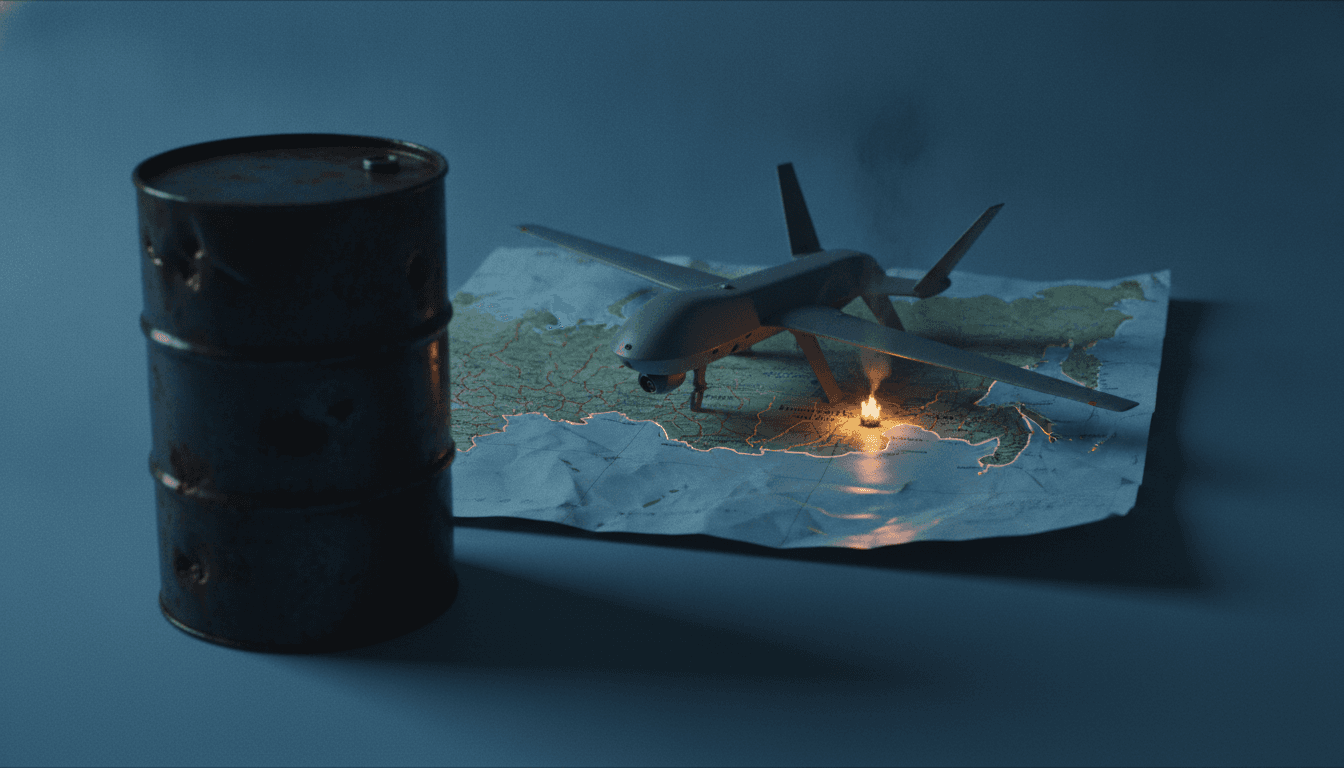
The ongoing negotiations follow months of escalating conflict, which commenced in February 2026, culminating in the closure of the Strait of Hormuz. This instability has sent global oil prices soaring by approximately 50% between February and May 2026, with crude oil prices remaining highly sensitive to geopolitical risk premiums. Fresh US military strikes against Iranian targets, including drones shot down in the Strait of Hormuz, serve as stark reminders of the volatile situation, illustrating the razor’s edge upon which these negotiations balance. The elusive US-Iran peace deal continues to be a primary driver of market speculation.
Iranian Foreign Minister Seyed Abbas Araghchi stated on Friday that an agreement with the US “has never been closer,” urging media to avoid speculation. Yet, hardline Iranian figures have protested outside the foreign ministry, chanting slogans against Araghchi and accusing negotiators of making too many concessions. A senior US administration official, speaking anonymously, expressed 80-85% confidence in a deal being signed in the coming days, but prudently cautioned it was “not 100%.” This caveat underscores the fragility of the situation and the potential for a sudden collapse of talks.
What’s Next for the US-Iran Peace Deal?
The immediate future hinges on whether the conflicting narratives can coalesce into a verifiable agreement. The coming days will be critical, particularly given Prime Minister Sharif’s announcement of impending electronic signing and technical talks. However, the explicit denials from Tehran mean that any declaration of a deal from Washington or mediators will likely be met with skepticism until independently confirmed by Iran. Investors and policymakers will be scrutinizing every official statement and market movement for definitive signs of progress or regression.
Should a US-Iran peace deal materialize, its terms, particularly those concerning the Strait of Hormuz and Iran’s nuclear program, will dictate the extent of its impact. A genuine reopening of the Strait would likely lead to a significant easing of oil prices, though the potential for Iranian “service fees” could introduce new complexities. The dismantling of Iran’s nuclear program, if confirmed, would represent a major geopolitical shift, but the absence of negotiations on ballistic missiles and regional proxies suggests that broader regional tensions may persist.
Conversely, a failure to reach an agreement, or a prolonged period of conflicting reports, will sustain the current climate of uncertainty. This would likely keep geopolitical risk premiums elevated in oil markets, potentially leading to further price volatility. The continued closure of the Strait of Hormuz would maintain pressure on global supply chains and energy costs, impacting economies worldwide. The ongoing internal protests in Iran against potential concessions also highlight the domestic political pressures influencing Tehran’s negotiating stance, adding another layer of unpredictability.
The key takeaway for readers and investors is the critical importance of discerning verifiable facts from speculative claims. The current environment surrounding the US-Iran peace deal is highly fluid, characterized by a lack of unified messaging from the principal parties. Until an unequivocally confirmed and detailed agreement emerges, the global economy, particularly the energy sector, will remain susceptible to the whims of geopolitical developments and the ongoing struggle for clarity on the actual status of the deal.