A Ukrainian drone strike ignited a Russian sea terminal on Saturday, June 13, 2026, resulting in one fatality and three injuries in Russia’s southern Krasnodar region. This latest incident marks a significant escalation in Ukraine’s ongoing campaign to target Russia’s vital energy infrastructure, sending ripples through global energy markets and intensifying regional tensions.
The attack, confirmed by Krasnodar regional governor Veniamin Kondratyev via Telegram, saw drone debris strike a Black Sea export terminal in the village of Volna. This critical facility handles crude oil, petroleum products, and liquefied gas, making it a strategic target for Kyiv. While Russian news outlets reported a general Black Sea export terminal, Ukraine’s SBU security service specifically claimed the attack targeted the Tamanneftegaz terminal, hitting five fuel tanks and two oil loading stands. The resulting blaze necessitated the deployment of 96 personnel to bring it under control.
Global Impact of Energy Infrastructure Strikes
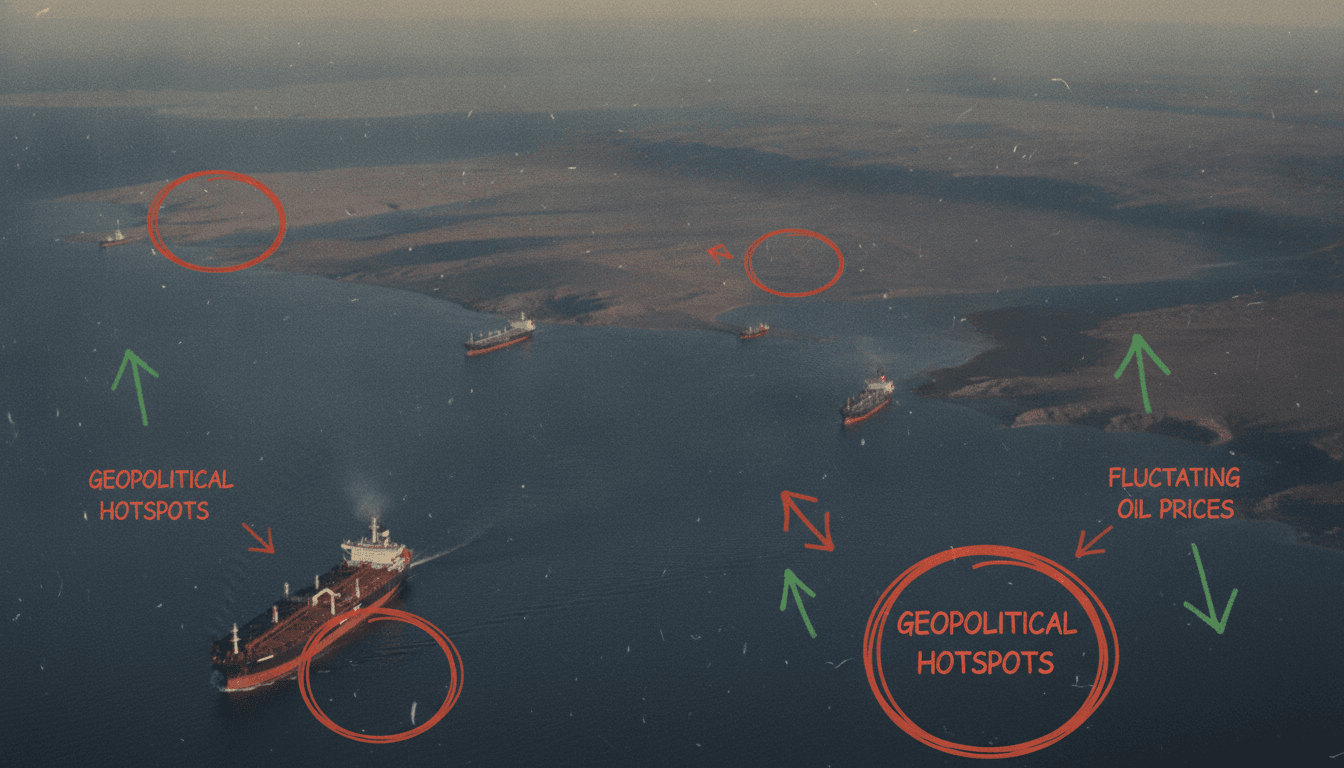
The repeated Ukrainian drone strike campaign against Russian energy infrastructure is designed to exert economic pressure, aiming to disrupt Russia’s ability to export crude oil and refined products. This strategy has already demonstrated its capacity to impact global oil prices and supply chains. Previous attacks on major oil export hubs such as Novorossiysk in September 2025 temporarily removed an estimated 2-2.5 million barrels per day of export capacity from global markets, leading to immediate price sensitivity. Similarly, strikes on Baltic Sea ports like Ust-Luga and Primorsk have caused temporary suspensions of oil and fuel shipments, with one week in March 2026 witnessing a 43% drop in Russia’s total oil exports.
For Ukraine, these strikes are a strategic imperative. Ukrainian President Volodymyr Zelenskyy has openly stated that Ukrainian forces have struck numerous military and energy infrastructure sites deep within Russia, including a military factory in Cheboksary, over 900 kilometers from the front line, using FP-5 Flamingo long-range missiles. Ukraine’s military and security services (SBU) view Russia’s oil and gas sector as a direct source of funding for the war, arguing that these revenues are converted into missiles, drones, and ammunition used to attack Ukrainian cities. Depriving Russia of these resources is, therefore, a key strategic objective.
“Ukraine’s drone campaign demonstrates the strategic efficiency of inexpensive air warfare platforms in inflicting significant economic damage at a fraction of the cost of conventional warfare.”
This approach highlights the evolving nature of modern conflict, where cost-effective drone technology can be leveraged to inflict substantial economic disruption. Experts note that these strikes are making it increasingly difficult for the Kremlin to shield the Russian public from the realities of the war, contributing to a mounting fuel crisis in some Russian regions. While Russia has vowed to strengthen its air defenses, the persistent nature of these attacks underscores the inherent vulnerability of its extensive energy infrastructure to such targeted assaults.
What to Watch For Next
The future implications of this Ukrainian drone strike and similar actions are multifaceted. We can anticipate Russia redoubling its efforts to bolster air defenses around critical infrastructure, particularly energy terminals and export hubs. However, the sheer scale and geographic dispersion of these facilities present a formidable challenge. For global energy markets, continued attacks will likely introduce further volatility, with potential for supply disruptions and upward pressure on crude oil and refined product prices. The strategic calculus for both Kyiv and Moscow remains clear: Ukraine seeks to cripple Russia’s war funding, while Russia aims to protect its economic lifelines. The ongoing drone campaign ensures that the economic front of this conflict will remain a critical battleground, with each successful strike intensifying the pressure and underscoring the escalating regional tensions. Investors and policymakers alike will be closely monitoring developments for their broader impact on global stability and commodity markets.