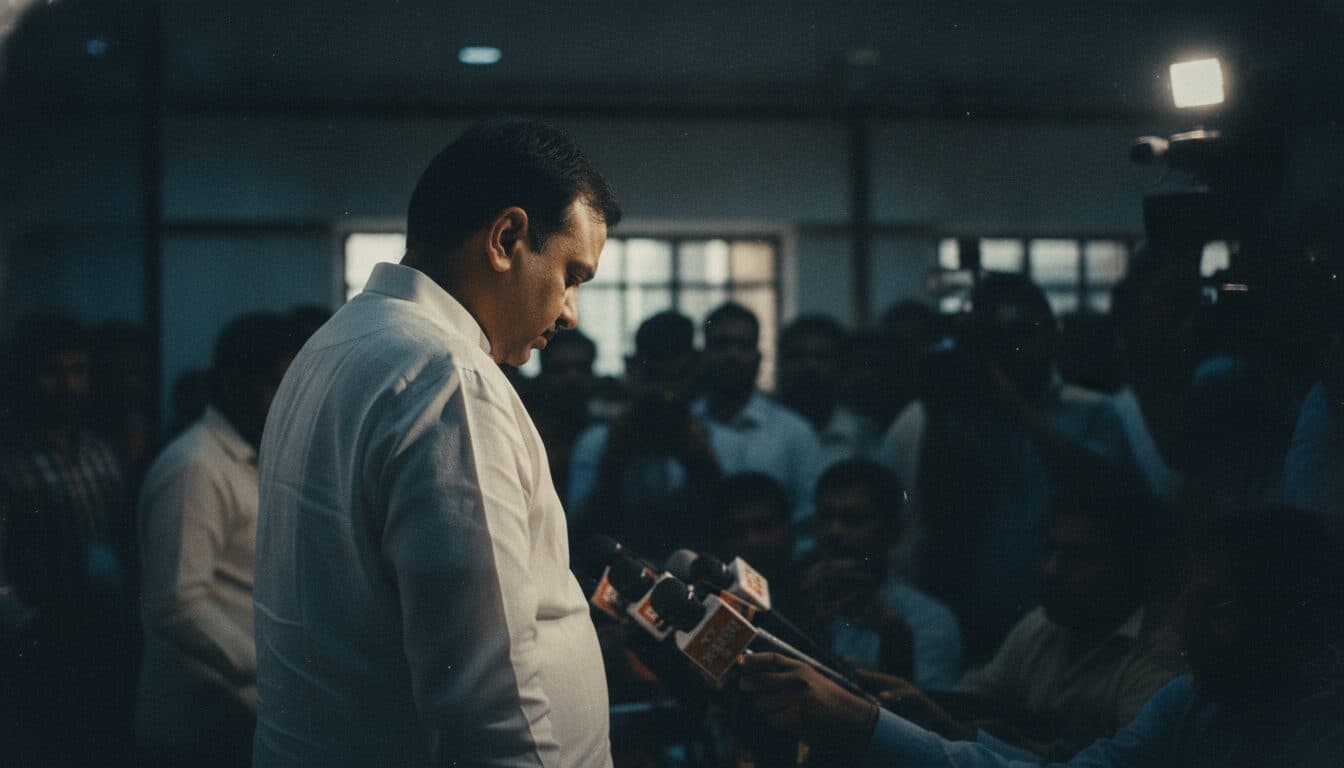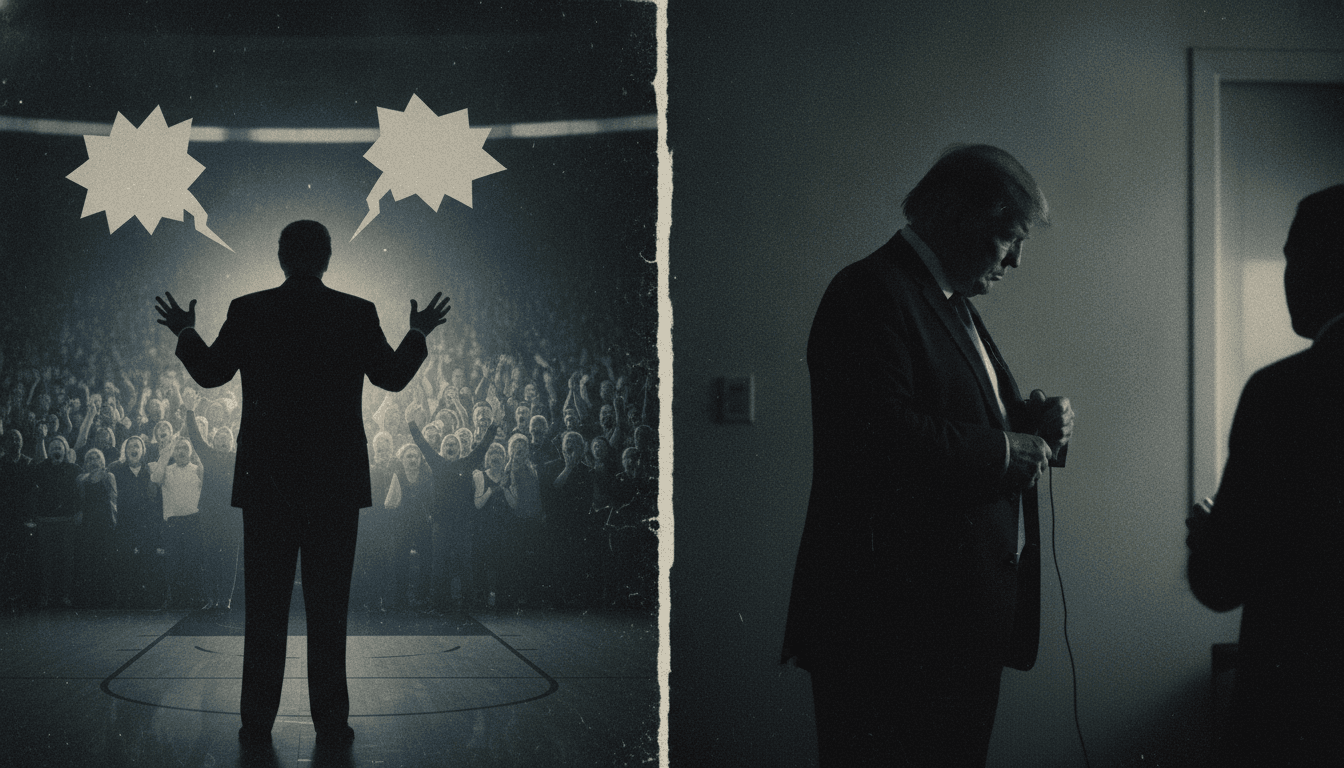
Former President Donald Trump recently navigated a tumultuous period marked by public rebukes and an abrupt interview exit, events that unfolded against the backdrop of escalating tensions between Israel and Iran. These incidents underscore the persistent volatility surrounding Trump’s public persona and political trajectory, drawing significant scrutiny as he continues to shape national and international discourse.
Trump Booed at NBA Finals
On Monday, June 8, 2026, Donald Trump attended Game 3 of the NBA Finals at Madison Square Garden in New York City. The New York Knicks were facing the San Antonio Spurs, marking the first time a sitting U.S. president had attended an NBA Finals game. Trump was a guest of Knicks owner James Dolan, a long-time friend and significant donor to his presidential campaigns.
Upon his appearance on the arena’s video screens during the national anthem, Trump was met with loud boos from a significant portion of the crowd. While some chants of “U-S-A!” were heard initially, they quickly gave way to jeers as Trump was shown giving a military salute. The boos reportedly ceased when the U.S. flag was displayed, with cheers erupting when New York Knicks players were shown. The incident quickly became a trending topic, highlighting the divisive nature of Trump’s public appearances.
Trump’s presence led to heightened security measures around Madison Square Garden. Authorities barred fans without tickets from approaching within several blocks of the venue. A 10-foot fence was erected around parts of the arena, and a large contingent of Secret Service personnel and NYPD officers were present. These security measures also resulted in the cancellation of planned outdoor watch parties near the arena, causing frustration among fans and drawing criticism from Democratic lawmakers like House Minority Leader Hakeem Jeffries and Rep. Alexandria Ocasio-Cortez, who questioned the necessity and impact of such extensive security on public access and enjoyment.
NBC Interview Walkout Amidst Political Pressures
Just days prior, on Friday, June 5, 2026, Donald Trump abruptly walked out of a recorded interview with NBC News’ Kristen Welker for “Meet the Press.” The interview, taped at Custer Farms in Chippewa Falls, Wisconsin, aired on Sunday, June 7, 2026. The confrontation escalated when Welker pressed Trump on his unsubstantiated claims of a rigged 2020 presidential election and allegations of voter fraud in California.
The discussion also touched upon Trump’s proposed “anti-weaponization fund,” a plan to compensate individuals he believes were unfairly targeted by the Biden administration. Welker questioned Trump’s allegations and repeatedly asked for evidence to support his assertions. Trump, in turn, accused NBC and other major news networks of being “one-sided,” “crooked,” and biased. The interview, which lasted approximately 50 minutes and was interrupted by weather and audio issues due to torrential rain, concluded with Trump stating, “Let’s call it quits because I’ve had enough. Thank you, darling. Have a good time,” before removing his microphone and leaving. This walkout further amplified the narrative of Trump’s contentious relationship with mainstream media and his characteristic pushback against critical questioning.
“These incidents highlight a consistent pattern of confrontational engagement, whether with the public or the press, that defines the Trump political brand. The walkout, in particular, signals a continued unwillingness to engage with scrutiny, a posture that resonates deeply with his base while alienating others.”
The impact of these events extends beyond immediate public reaction. For investors, the consistent generation of high-profile political drama surrounding a figure like Trump introduces an element of unpredictability into market sentiment. His statements and actions, particularly concerning international relations or domestic policy, can trigger significant shifts, making it crucial for financial professionals to monitor these developments closely. The public spectacles, from being Booed at NBA Finals to the interview walkout, reinforce a perception of political instability that can influence investor confidence and policy expectations.
These domestic events unfolded amid ongoing reports of escalating tensions between Israel and Iran. On Sunday, June 7, 2026, Tehran launched multiple waves of missiles at Israel in response to an Israeli airstrike in Beirut targeting Hezbollah, an Iran-backed militant group. Israeli military officials reported that their air defenses intercepted at least four rounds of missiles, with no injuries reported. This exchange marked the most significant confrontation between Iran and Israel since a U.S.-brokered ceasefire took effect in early April. The geopolitical backdrop adds another layer of complexity, demonstrating the global interconnectedness of political narratives.
President Trump has called for an immediate ceasefire between the two nations. In posts on Truth Social, he stated, “Both sides, Israel and Iran, are looking to do an immediate CEASEFIRE!” He also indicated that “Final negotiations on ‘Peace’ are proceeding,” and urged both sides to halt hostilities, saying, “Israel and Iran must immediately stop ‘shooting.'” Trump also claimed to have convinced Israeli Prime Minister Benjamin Netanyahu to scale back an Israeli attack on Iran, stating that he warned Netanyahu to “be very careful with what you do because you might soon be left alone against Iran.” These pronouncements, made amidst his own public controversies, underscore his continued role as a significant, albeit unofficial, voice in international affairs.
Looking ahead, the implications of these incidents are multifaceted. For Trump, the public boos and interview walkout reinforce his image among supporters as a fighter against perceived establishment biases, while further solidifying opposition among critics. Politically, his ability to command attention, even when facing negative reactions, remains undiminished. His interventions on international issues, such as the Israel-Iran conflict, demonstrate his enduring influence on global discussions, regardless of his official status.
The key takeaway for readers and investors is the persistent and often unpredictable nature of the political landscape shaped by figures like Donald Trump. His capacity to dominate news cycles, whether through public appearances or media confrontations, directly impacts the broader political climate. Understanding these dynamics is crucial for anticipating potential policy shifts, market reactions, and the general direction of both domestic and international affairs. For more insights on current events, explore our related trending articles.