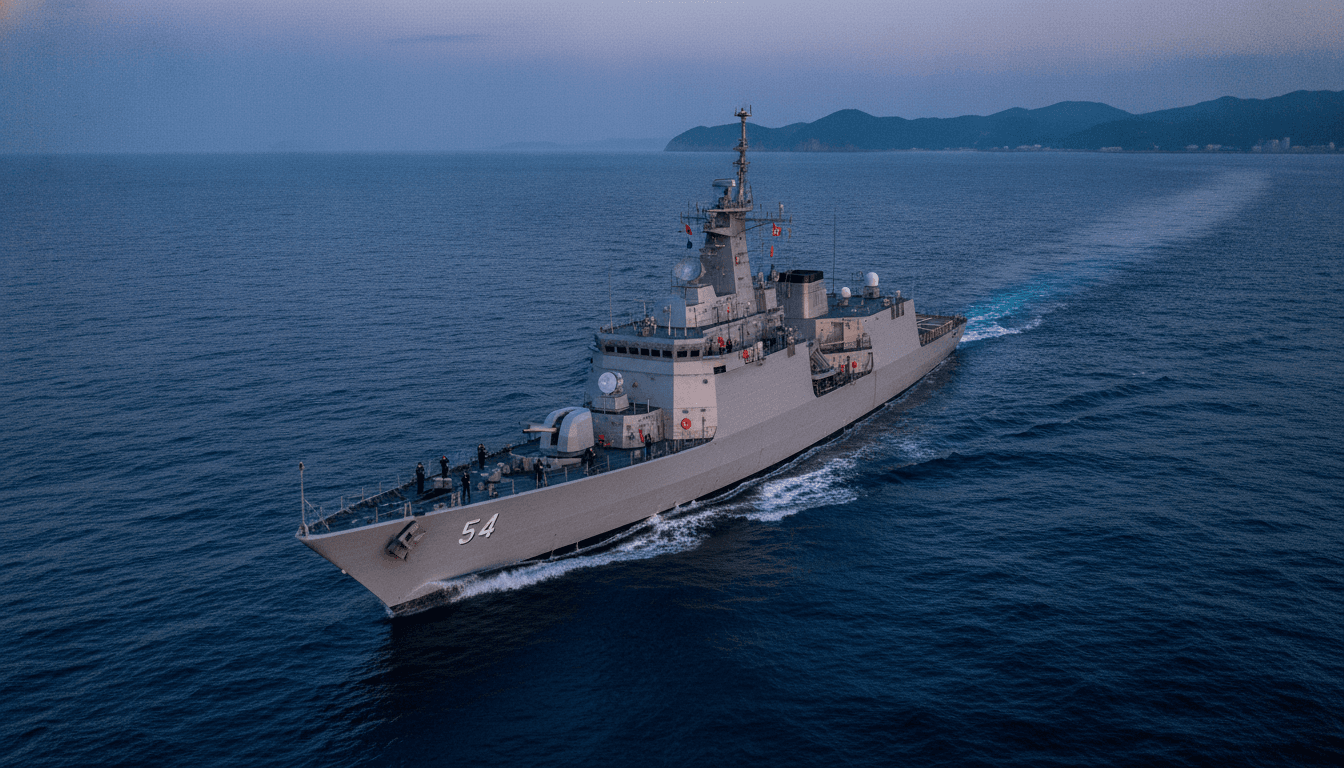
Taiwan deploys vessels amid Chinese operations, intensifying a volatile standoff in the Taiwan Strait that has global implications for trade, security, and geopolitical stability. As of Sunday, June 7, 2026, Taiwan’s military has consistently scrambled air and naval assets in direct response to a significant uptick in Chinese military activity, underscoring the escalating tensions that reverberate far beyond the immediate region.
The self-governed island, which Beijing claims as its own territory, has been on high alert as China ramps up its ‘grey zone’ tactics – a strategy involving incremental increases in military aircraft and naval vessels without resorting to direct, sizable force. These actions are viewed by Taipei as a direct threat to peace and stability in the Taiwan Strait and the broader Indo-Pacific.
The Intensifying Standoff: Recent Chinese Operations
The past few months have seen a marked escalation in Chinese military presence around Taiwan. In May 2026, Taiwan detected 21 Chinese military aircraft, including J-16 fighter jets and drones, operating alongside Chinese Navy ships as part of a ‘combat readiness patrol.’ Joseph Wu, Secretary-General of Taiwan’s National Security Council, noted that as early as May 23, China had deployed over 100 ships along the first island chain. This was followed by reports on May 25 of 22 Chinese military aircraft and 10 ships being tracked.
The pattern continued into June. On June 4, Taiwan’s Ministry of National Defense (MND) reported tracking 32 Chinese People’s Liberation Army (PLA) aircraft and 10 People’s Liberation Army Navy (PLAN) vessels, with 25 aircraft crossing the sensitive median line of the Taiwan Strait. Just two days later, on June 6, Taiwan described a coordinated operation by a Chinese coast guard ship and a survey ship near the Pratas Islands as ‘highly provocative.’ The most recent update on June 7 indicated Taiwan tracked four Chinese military aircraft and 16 ships.
These recent operations build on a consistent trend. February 2025 saw China conduct ‘live-fire’ drills off Taiwan’s coast, deploying 32 aircraft alongside warships. In December 2025, Taiwan reported China deployed warships for ‘military operations’ stretching hundreds of kilometers, with approximately 90 Chinese warships and coast guard vessels participating in vast exercises simulating attacks on foreign ships and practicing blockading sea routes.
Taiwan Deploys Vessels Amid Chinese Operations: A Measured Response
In response to these persistent incursions, Taiwan’s military has maintained a vigilant posture. Its air force consistently scrambles aircraft, while naval ships are dispatched, and coastal-based missile systems are deployed to monitor, alert, and respond appropriately. Taiwan’s Coast Guard has also intensified patrols around the Dongsha (Pratas) Islands, a strategic outpost, due to a surge in Chinese coastguard vessels in the area.
Beyond immediate responses, Taiwan is significantly bolstering its defensive capabilities. The island nation is accelerating plans to field over 1,800 precision-guided anti-ship missiles, including Harpoon and Hsiung Feng III systems, by early 2029. This ambitious buildup aims to create a formidable ‘kill zone’ in the Taiwan Strait, designed to deter any potential invasion or blockade by Beijing.
“The PRC is the sole source of instability in the Indo-Pacific region,” stated Joseph Wu, highlighting Taiwan’s view that Beijing’s actions are “unjustified” and a direct threat to regional peace.
Experts like Joseph Wen, an authority on Taiwan’s security and defense, warn that while Beijing may not have a rigid timetable for military unification, the frequent encounters are actively raising the probability of an unpredictable, sudden military clash. China’s use of civilian and paramilitary vessels, including its coast guard, maritime militia, and even sand dredgers, allows Beijing to harass and probe Taiwan below the threshold of armed conflict, maintaining plausible deniability for its aggressive posturing.
Global Economic Tremors and Geopolitical Stakes
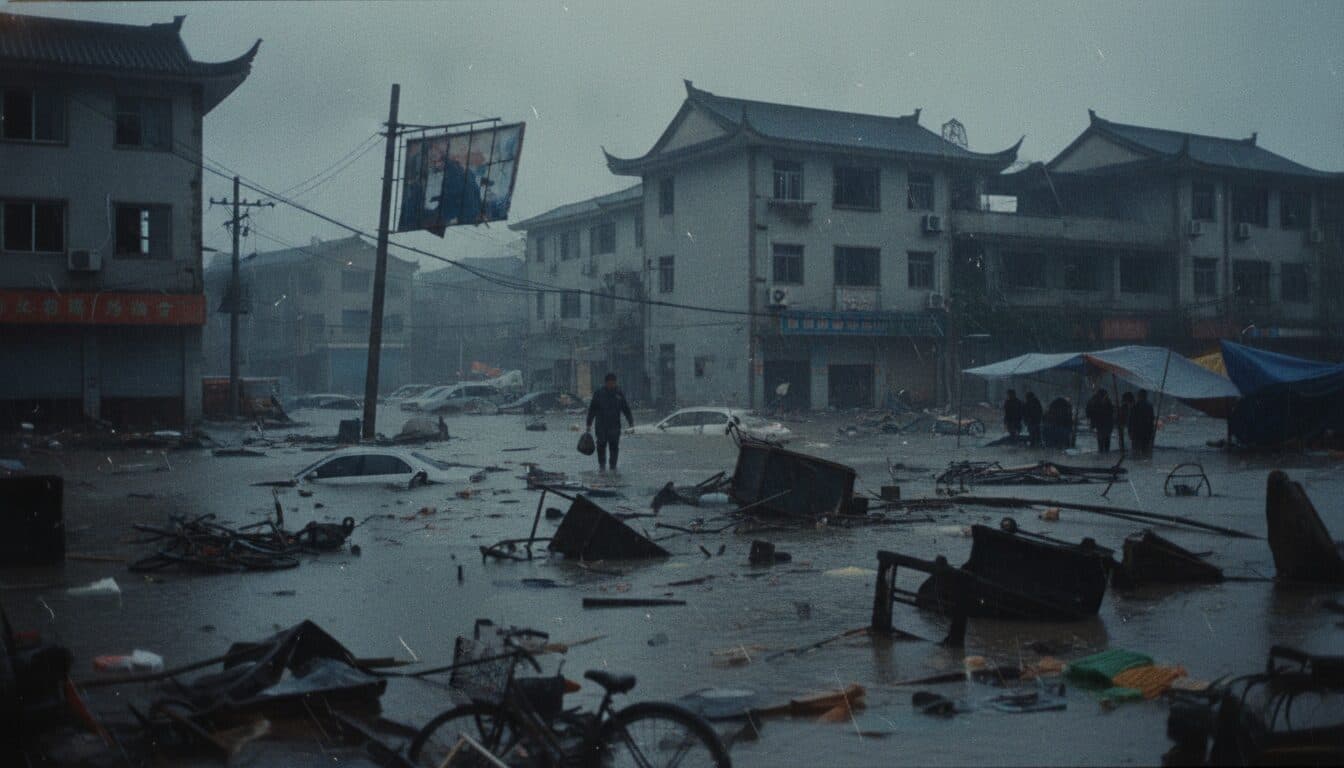
The escalating tensions carry profound global implications, particularly for the world economy. Modeling by Bloomberg Economics in February 2026 projected that a conflict over Taiwan would trigger economic losses totaling an staggering US$10.6 trillion. This figure dwarfs the impact of the COVID-19 pandemic or the 2008 global financial crisis, driven by a collapse in US-China trade, tariffs imposed by US allies on China, and severe disruptions to shipping in the vital Taiwan Strait. Taiwan’s critical role as a global leader in advanced semiconductor production means a conflict would inevitably lead to severe chip shortages and widespread supply chain disruptions, crippling industries worldwide.
Geopolitically, the situation is equally fraught. China views self-ruled Taiwan as an inseparable part of its territory, to be reunified by force if necessary. Taiwan’s government vehemently rejects this, asserting that only its people can decide their future. The United States, Taiwan’s most important security backer and primary arms supplier, views Beijing’s military pressure as a challenge to its interests and treaty allies in the Indo-Pacific, including Japan, South Korea, the Philippines, and Australia. The London-based International Institute for Strategic Studies (IISS) warned in May 2026 that a conflict between the US and China over Taiwan would risk nuclear escalation, underscoring the immense strategic importance Beijing places on the island. For more trending stories and global market analysis, visit our dedicated section.
What’s Next: A Precarious Future
The immediate future of the Taiwan Strait remains highly precarious. The sustained frequency and scale of Chinese military operations suggest Beijing is committed to maintaining pressure on Taiwan, testing its defenses and international resolve. Taiwan, backed by its principal ally, the United States, is equally resolute in its defense and its right to self-determination. The ongoing military buildup on both sides, coupled with the increasing ‘grey zone’ activities, means the risk of miscalculation or accidental conflict continues to grow.
Investors, policymakers, and global citizens alike will be watching closely for any further escalation in Chinese military drills, the nature of Taiwan’s defensive responses, and the diplomatic maneuvers of international powers. The stability of the Indo-Pacific, and indeed the global economy, hinges on the delicate balance of power in this increasingly volatile region. The world holds its breath as Taiwan deploys vessels amid Chinese operations, hoping for de-escalation but preparing for potential tremors.