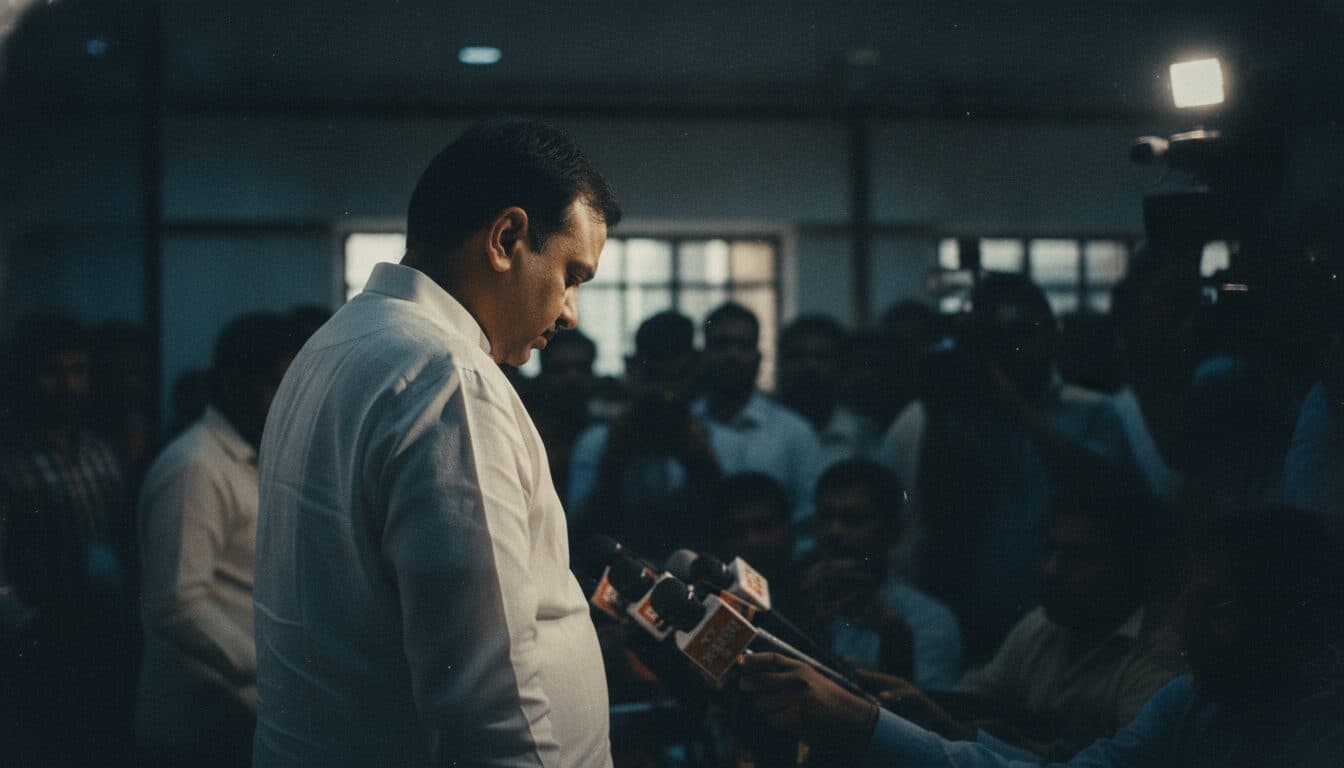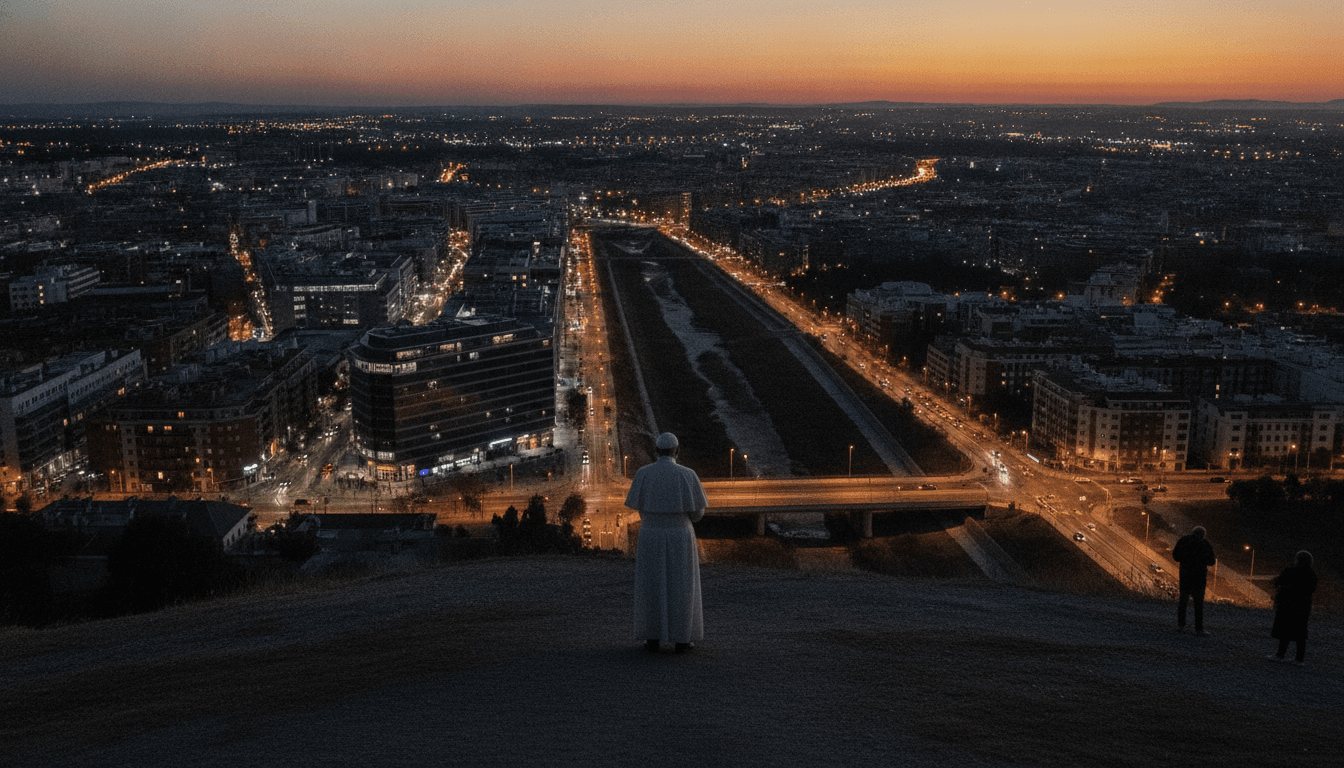
Pope Leo’s Spain visit highlights polarization, bringing into sharp focus the growing political and religious divisions within the country as conservative elements increasingly challenge the direction of the Catholic Church. This six-day apostolic journey, the first papal visit to Spain in 15 years, underscores a nation grappling with shifting religious demographics and intensifying ideological rifts.
Arriving in Madrid on Saturday, June 6, Pope Leo XIV’s itinerary is packed with significant engagements designed to touch various facets of Spanish society. His schedule includes a welcome ceremony at the Royal Palace with King Felipe VI and Queen Letizia, a visit to a Caritas center for the homeless, and a youth prayer vigil. A landmark moment awaits on June 8, when he will make history by becoming the first pope to address Spain’s Cortes Generales (parliament), a move that itself carries symbolic weight in a fractured political landscape. Later in the trip, on June 10, he will inaugurate the Tower of Jesus Christ at the Sagrada Familia Basilica in Barcelona, coinciding with the centenary of Antoni Gaudí’s death. The Pope’s journey will also take him to the Canary Islands, a critical landing point for migrants, where he is slated to meet with humanitarian organizations and migrants themselves – a decision laden with political and social implications.
The Shifting Sands of Spanish Catholicism
Spain, historically a bulwark of Catholicism, is undergoing a profound transformation in its religious identity. Data reveals a significant decline in self-identified Catholics, plummeting from 71.7% in 2011 to 56.1% in 2026, with only 18.3% actively practicing. This trend reflects broader secularization seen across Western Europe. However, an intriguing counter-narrative emerges with a reported renewed interest in spirituality among young people; the number of young Catholics aged 15-29 has notably risen from 31.6% in 2020 to 45% in 2025. This demographic shift presents both a challenge and an opportunity for the Church, even as it navigates deep-seated ideological battles.
Pope Leo XIV has been unequivocal in his calls for unity, urging Spaniards to cease “fanning the flames of polarization” and to set aside “divisive and polarizing narratives.” These appeals come as the Socialist-led government of Prime Minister Pedro Sánchez faces relentless criticism from conservative parties, including the Popular Party and the far-right Vox, particularly over its migration policies. This political friction directly intersects with the Church’s evolving stance on social issues.
“The far right in Spain wants to copy the far right in the United States in going to war with the bishops over the issue of migration.”
The Catholic Church’s advocacy for migrants and asylum seekers, a position strongly emphasized by Pope Leo XIV and his predecessor Pope Francis, has become a significant point of contention. Bishop José Mazuelos Pérez, who oversees a Canary Islands diocese providing aid to migrants, observed, “The far right in Spain wants to copy the far right in the United States in going to war with the bishops over the issue of migration.” This statement encapsulates the ideological battleground, where the Church’s humanitarian mission is increasingly politicized. Pope Leo XIV’s reported concern over the “instrumentalization” of the church by the far-right to “win the Catholic vote,” even reportedly naming Vox in private meetings with Spanish bishops, underscores the depth of this friction. His emphasis on unity and migrant rights resonates more with leftist segments of society, while conservative elements often express criticism, further highlighting the internal divisions within and around the Church.
Pope Leo’s Spain Visit Highlights Polarization: Economic and Social Impact
Beyond the religious and political ramifications, Pope Leo’s Spain visit highlights polarization and is also expected to deliver a substantial economic boost. ObservaTUR estimates an overall economic impact ranging from €90 million to €125 million across Spain. In Madrid alone, Data Appeal Mabrian projects approximately €73.8 million (US$86 million) in incremental tourism spending, driven by an anticipated 1.8 million attendees. Hotel occupancy rates in the capital are forecast to reach nearly 82% during the Pope’s stay, peaking at over 87% on June 6. This influx of visitors, while economically beneficial, also serves as a visible manifestation of the diverse sentiments surrounding the papal visit, from devout pilgrims to curious observers.
Experts view the visit as a crucial opportunity for dialogue and reconciliation. Yago de la Cierva, general coordinator of the trip, expressed hopes for a “spiritual revival” and a healing of divisions, encouraging Spaniards to “work together even if you don’t think in the same way.” This aspiration for unity, however, faces the formidable challenge of deeply entrenched ideological divides. The Pope’s address to the Cortes Generales will be particularly scrutinized for its tone and message, as it offers a rare direct engagement with the nation’s political leadership amidst heightened tensions. For more trending stories, follow our ongoing coverage.
What’s Next: A Test of Unity
As Pope Leo XIV continues his journey through Spain, the spotlight remains fixed on how his messages of unity and compassion will be received by a nation so clearly at odds with itself. The visit to the Canary Islands, in particular, will provide a powerful visual and moral statement on migration, a topic that continues to fuel political fires across Europe. The long-term implications for the Catholic Church in Spain, and indeed for the broader European religious landscape, hinge on whether this papal intervention can indeed foster a renewed sense of shared purpose, or if it will merely further expose the widening chasm between traditional Catholic values and modern political realities. The world watches to see if the Pope’s words can bridge the chasm, or if the currents of polarization prove too strong.