A critical Longview paper mill explosion on Tuesday, May 26, 2026, has rapidly escalated into what Washington state officials are bracing to be the deadliest industrial tragedy in modern state history. The catastrophic incident at the Nippon Dynawave Packaging Co. facility in Longview has left two confirmed dead and nine workers unrecovered and presumed lost, sending shockwaves through the industrial sector and local community.
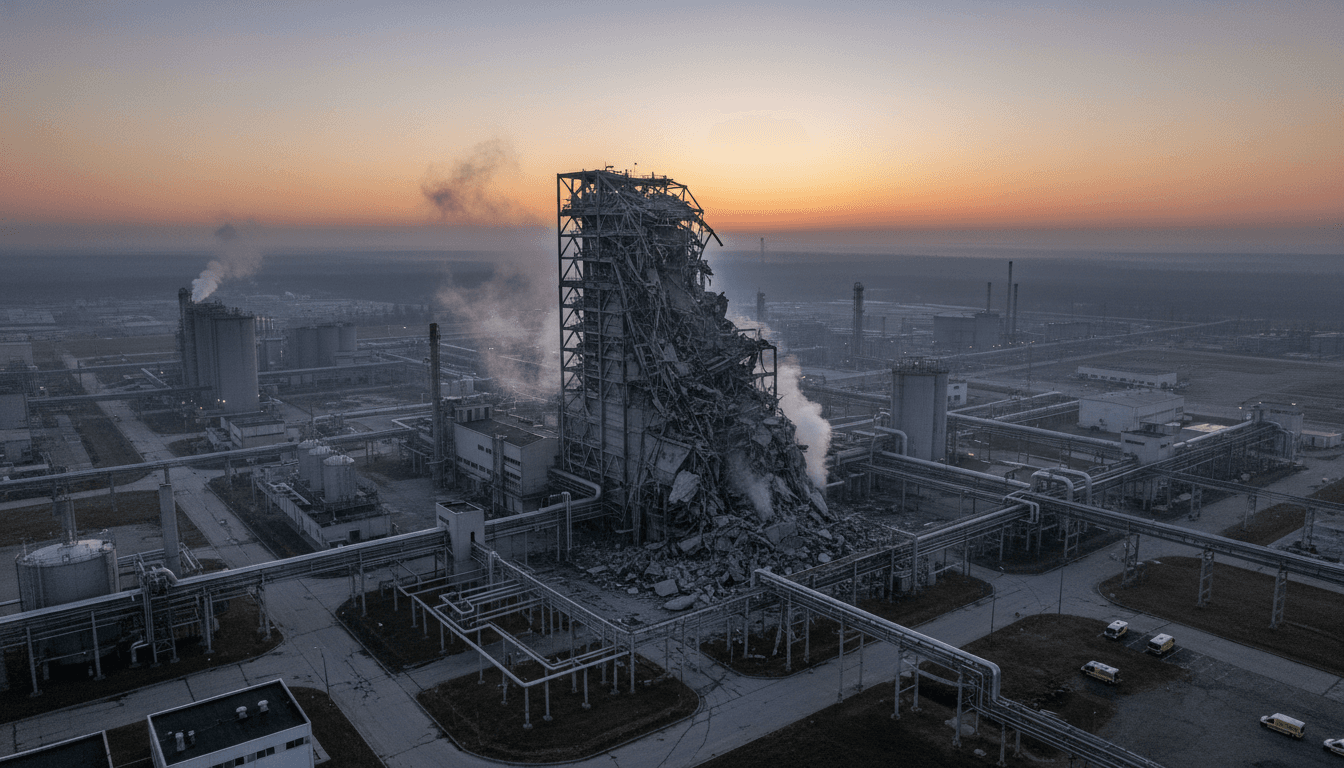
The incident unfolded around 7:15 a.m. local time when a massive chemical tank, holding an estimated 900,000 gallons and about two-thirds full of ‘white liquor,’ ruptured. This corrosive substance, a mixture of sodium hydroxide and sodium sulfide, is integral to the papermaking process. Cowlitz Fire and Rescue Chief Scott Goldstein described the event variously as a “blast,” “explosion,” “implosion,” and “failure,” underscoring the sheer destructive force observed at the site. The facility, a significant producer of pulp and paper products for various uses, employs approximately 1,000 people, making the human toll particularly devastating.
The Unfolding Tragedy and Recovery Efforts
As of Wednesday, May 27, the confirmed death toll stood at two, with the grim reality that nine other workers are now considered unrecoverable. Ten individuals, including eight employees and one firefighter, were transported to area hospitals. Injuries ranged from minor to critical, with four victims requiring transfer to the Legacy Oregon Burn Center in Portland. The immediate aftermath saw recovery operations hampered by the unstable structural integrity of the damaged tank, which still contained an estimated 90,000 gallons of caustic white liquor. Authorities have shifted from rescue to recovery, acknowledging the heartbreaking absence of hope for additional survivors. The methodical and slow pace of recovery efforts reflects the hazardous conditions on site.
Longview Paper Mill Explosion’s Broader Impact
The environmental fallout from the Longview paper mill explosion is substantial. Approximately 500,000 gallons of white liquor spilled, much of it mixing with water from a broken main and pooling around the facility. While initial reports indicated no immediate threat to Longview’s air quality or drinking water, subsequent testing revealed elevated pH levels in nearby water sources, with some contamination reaching the Columbia River. The public has been cautioned to avoid ditches and dikes, and the U.S. Environmental Protection Agency is actively assisting state authorities with environmental monitoring and mitigation efforts. This chemical release highlights the inherent risks associated with industrial operations of this scale.
“We’re bracing ourselves for this being the deadliest industrial tragedy in modern Washington state history,” stated Washington Governor Bob Ferguson, capturing the gravity of the situation.
U.S. Senator Patty Murray echoed the sentiment, calling it an “absolute tragedy.” The U.S. Chemical Safety and Hazard Investigation Board (CSB) has initiated an investigation into the “fatal chemical tank implosion,” a standard procedure for incidents of this magnitude. This facility, a subsidiary of Japan-based Nippon Paper, has a documented history of environmental and safety violations between 2019 and 2025, including citations for high-pH wastewater discharges and exceeding air emissions thresholds. This past record will undoubtedly be a focal point of the ongoing investigations.
Market Repercussions and Future Implications
The immediate market impact is under assessment by Nippon Paper. As a major producer of materials for tissues, printing paper, cups, plates, and cartons, any prolonged disruption to the Longview facility’s operations could significantly affect supply chains for these essential products. This incident will inevitably prompt a re-evaluation of industrial safety regulations and oversight within the paper and chemical industries, not just in Washington but potentially across the nation. The human cost, environmental damage, and economic ripple effects of this catastrophe underscore the critical need for stringent safety protocols and continuous monitoring in heavy industry. For more trending stories, visit our news section.
As recovery operations continue and investigations deepen, the full scope of this tragedy will emerge. What remains clear is that the Longview paper mill explosion serves as a stark reminder of the inherent dangers in industrial manufacturing and the profound consequences when safety systems fail. The industry, regulators, and communities will be watching closely to understand the root causes and implement changes to prevent such devastating events from recurring.