The fragile ceasefire between Israel and Hezbollah, intended to de-escalate the ongoing 2026 Lebanon War, is facing significant violations from both sides, threatening to reignite broader conflict and further destabilize the Middle East. Recent escalations, marked by deadly airstrikes and rocket attacks, underscore the precariousness of regional peace and the profound geopolitical and economic implications for the entire Middle East and beyond.
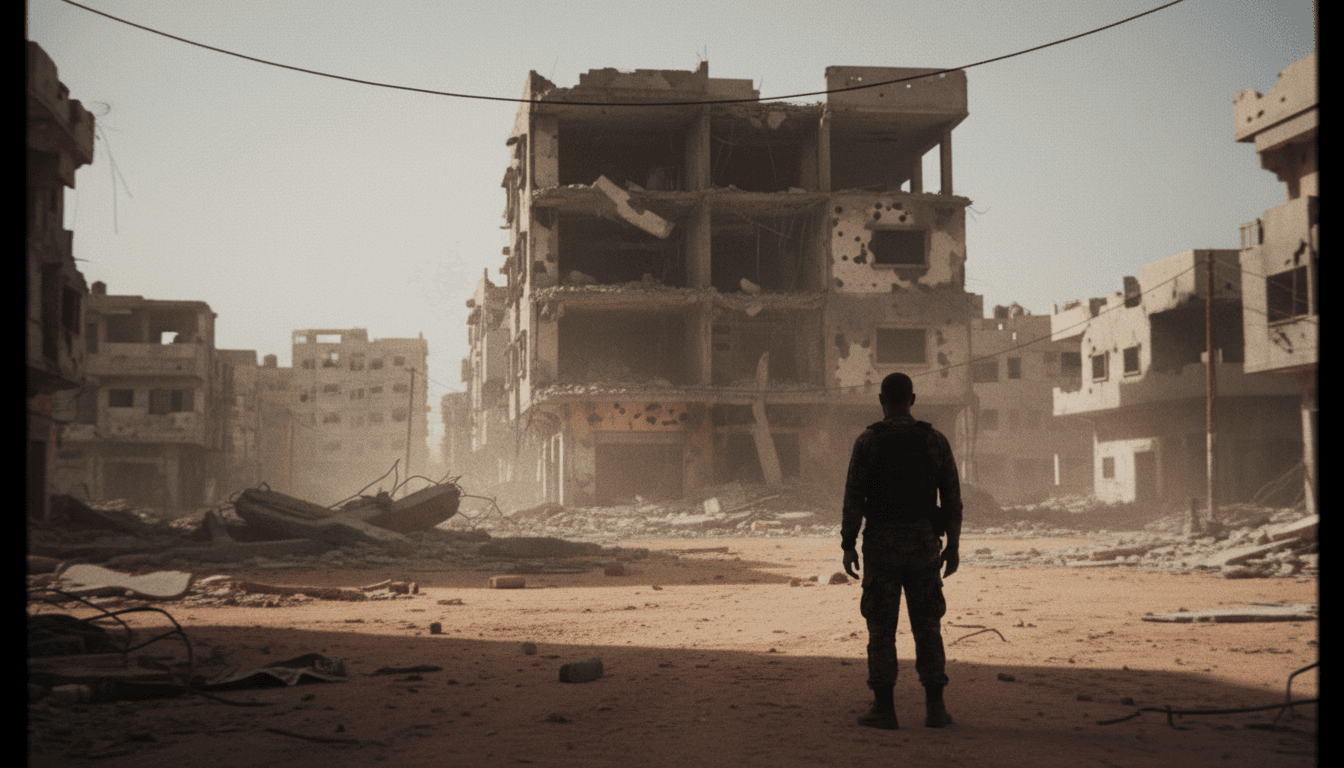
On June 1, 2026, Israeli airstrikes targeted Lebanon’s Nabatieh and Tyre Districts, resulting in at least 12 deaths and dozens of injuries. In the Tyre district, four people were killed in an airstrike on Al-Abbassiyah, while another strike near Jabal Amel Hospital in Tyre killed two and injured 23, causing extensive damage to the medical facility. Thirteen healthcare workers were also injured in a strike near Hiram Hospital. In the Nabatieh district, eight people died and 16 were injured in strikes on Deir al-Zahrani. Other attacks in Nabatieh governorate killed two Syrians at a plant nursery in Jebchit and a driver in Nabatieh. Drone strikes further claimed two lives in Toul and Ansar. These attacks contribute to a grim tally; the Lebanese Health Ministry reports that Israeli actions since March 2, 2026, have killed over 3,400 people and injured 10,129 across Lebanon, displacing over 1.6 million.
Concurrently, Hezbollah has escalated its retaliatory actions, with Israel accusing the group of violating the ceasefire by launching drones and missiles. On June 1, Hezbollah fired rockets and drones targeting northern Israel, including towns like Kiryat Shmona and Metula, as well as Israeli troops in southern Lebanon. Some projectiles were intercepted, while others landed in open areas. Hezbollah drone attacks on June 1 killed Staff Sgt. Adam Tzarfati and injured three other soldiers. Overnight between May 30-31, another drone attack killed Staff Sgt. Michael Tyukin and injured four troops in southern Lebanon. Between May 30 and June 1, Hezbollah launched at least 38 rocket and drone attacks on northern Israeli communities and Israeli troops, marking a significant escalation since the ceasefire began. This renewed aggression from both sides severely undermines efforts to achieve lasting regional stability.
Impact of Israel-Hezbollah Ceasefire Violations on Markets and Region
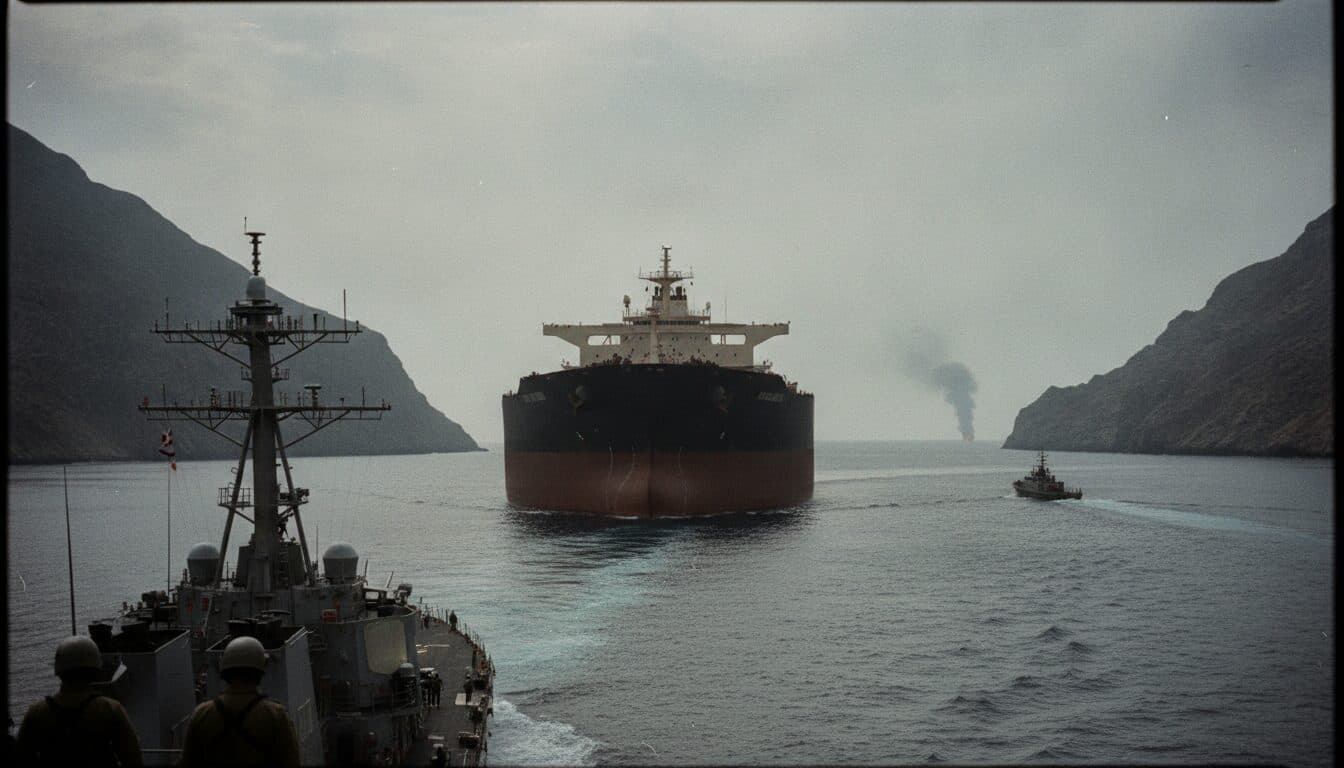
The immediate impact of these Israel-Hezbollah ceasefire violations is a surge in market uncertainty. Global oil prices are particularly sensitive to Middle Eastern instability, and a full-scale resumption of the Lebanon War, especially intertwined with the ongoing 2026 Iran War, could send shockwaves through energy markets. Beyond energy, international shipping lanes through the Red Sea and Suez Canal, already impacted by previous regional conflicts, face renewed disruption threats, driving up insurance costs and supply chain delays. Investors are closely watching defense stocks, while companies with significant operations or investments in the Middle East are re-evaluating their risk exposure. The humanitarian crisis also deepens, placing immense strain on international aid organizations and potentially triggering new waves of migration, adding further pressure on European economies already grappling with existing refugee flows.
The current conflict in Lebanon between Israel and Hezbollah is a resumption of major fighting that began in late 2023 and escalated significantly on March 2, 2026. Israel launched ground operations in southern Lebanon on March 16, deploying five divisions. This war has already resulted in over 3,000 deaths and the displacement of over 1 million people in Lebanon. A ceasefire between Israel and Hezbollah was initially agreed upon in November 2024, but violations occurred frequently. A more recent ceasefire took effect on April 17, 2026, and was extended for 45 days following US-mediated indirect talks. However, both sides have continued to trade strikes, with Israel accusing Hezbollah of violations and Hezbollah stating it would abide by the ceasefire if Israel ceased attacks and withdrew from Lebanon.
“The intertwined nature of the Israel-Hezbollah conflict with the broader 2026 Iran War creates a highly volatile environment where local skirmishes can rapidly escalate into a wider regional conflagration, with devastating economic and human costs.”
US President Donald Trump announced on June 1, 2026, that Israel and Hezbollah had agreed to de-escalate fighting, with Israel agreeing not to send troops to Beirut and Hezbollah agreeing to stop all shooting. However, Israeli Prime Minister Benjamin Netanyahu confirmed the call but stated Israel would continue military operations in southern Lebanon and strike Beirut’s southern suburbs if Hezbollah attacks continued. Lebanon’s embassy in Washington confirmed Hezbollah’s agreement to a US proposal for a mutual halt to attacks, initially focusing on Israeli strikes on Beirut’s southern suburbs and Hezbollah refraining from attacking Israel. The Israel-Hezbollah conflict is inextricably linked to the wider 2026 Iran War, which began on February 28, 2026, when the United States and Israel launched airstrikes on Iran. Iran responded with missile and drone strikes on Israel, US bases, and US-allied Arab countries. A conditional ceasefire for the Iran War was declared on April 8, 2026. Iran has insisted that any deal to end the Iran War must include a halt to Israeli attacks in Lebanon, highlighting the interconnectedness of regional conflicts.
Looking ahead, the immediate future hinges on the effectiveness of US diplomatic efforts and the willingness of both Israel and Hezbollah to adhere to the terms of a de-escalation. The continuous Israel-Hezbollah ceasefire violations suggest that true commitment to peace remains elusive. Expert predictions range from a prolonged period of low-intensity conflict to a full-scale regional war if the current ceasefire completely collapses. Upcoming developments will likely include further diplomatic pushes from the US and European powers, increased international pressure on both sides to uphold the ceasefire, and potentially, intensified military operations if either side perceives the other as crossing a red line. The risk of miscalculation remains exceptionally high.
For readers and investors, the key takeaway is the profound instability gripping the Middle East. The Israel-Hezbollah ceasefire violations are not isolated incidents but symptoms of a deeply entrenched and interconnected series of conflicts. This environment demands heightened vigilance from businesses with regional exposure and a reassessment of geopolitical risk in investment portfolios. The human cost is staggering, and the economic ripple effects are poised to impact global supply chains, energy markets, and international relations for the foreseeable future. The pursuit of regional stability remains a paramount, yet increasingly challenging, objective.