Global temperatures near-record highs are predicted for the coming five years, signaling an alarming acceleration of climate change impacts and putting the world perilously close to critical warming thresholds. A new report from the World Meteorological Organization (WMO) and the UK’s Met Office, released today, May 28, 2026, synthesizes data from 13 international institutes, painting a stark picture of the planet’s trajectory.
The Global Annual-to-Decadal Update forecasts annual global mean near-surface temperatures between 2026 and 2030 to range between 1.3°C and 1.9°C above pre-industrial levels (1850-1900 average). More critically, there is a very high likelihood—an 86% chance—that the global mean near-surface temperature will temporarily exceed 1.5°C above pre-industrial levels for at least one year within this period. Adding to the urgency, the report indicates a 75% chance that the five-year average temperature for 2026-2030 will itself surpass 1.5°C.
The Looming 1.5°C Threshold
The 1.5°C target, enshrined in the Paris Agreement, refers to a long-term average over 20 years. While a temporary exceedance in a single year doesn’t signify a failure of the agreement, it serves as a potent warning. As experts emphasize, it means the world is increasingly likely to breach this threshold more often, risking more severe heatwaves, droughts, storms, and floods globally. The year 2024 already made history by becoming the warmest on record, exceeding 1.5°C above the pre-industrial era for the first time. The WMO report now projects an 86% chance that one of the years between 2026 and 2030 will surpass 2024 as the warmest year on record.
Melissa Seabrook, a research scientist at the UK Met Office, underscored the gravity of the situation.
“There’s very clear evidence that the climate is warming and that the global average temperature is continuing to rise,”
she stated, adding that “the science is very clear that the window to keeping the global average temperature to 1.5 degrees is closing rapidly.”
Accelerated Arctic Warming and El Niño’s Influence
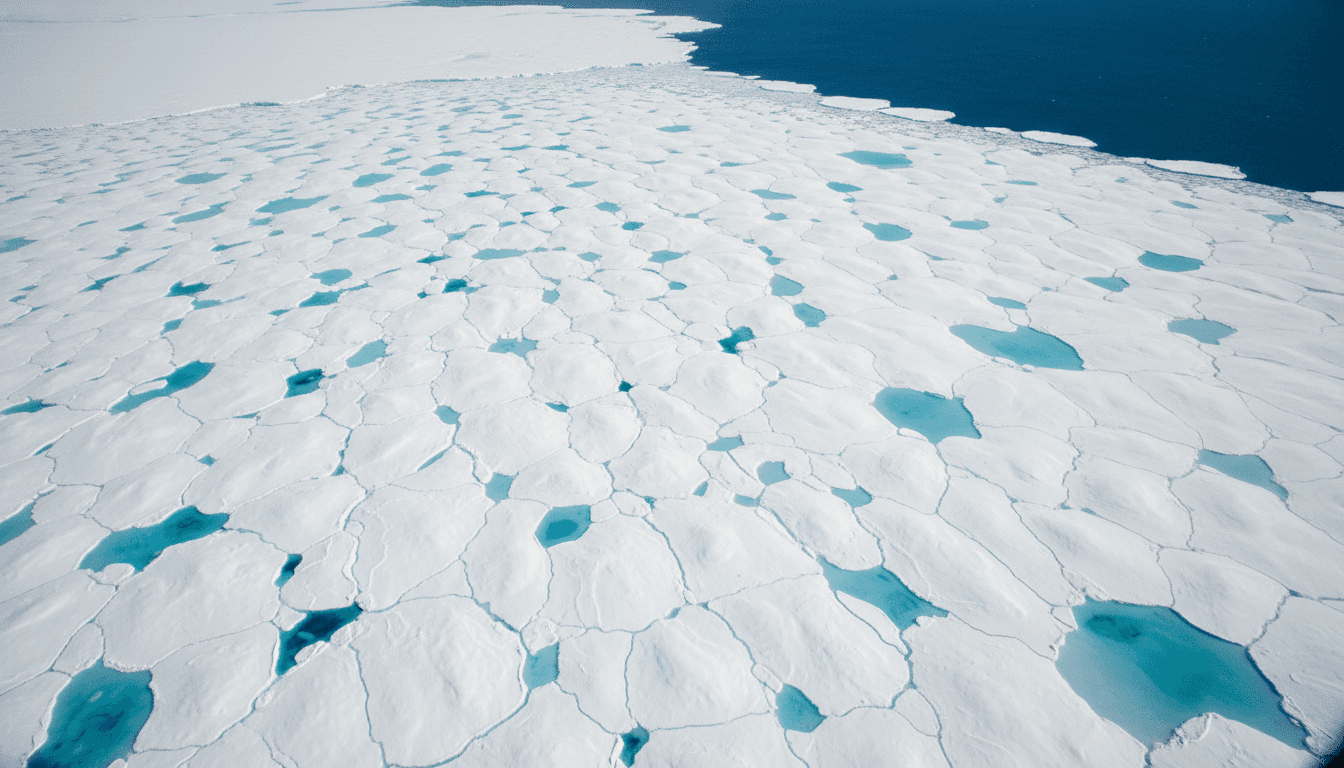
One of the most concerning predictions is the accelerated warming of the Arctic. Over the next five northern hemisphere winters (November-March), Arctic temperatures are projected to rise at more than 3.5 times the global average, reaching approximately 2.8°C above the 1991–2020 baseline. This rapid increase is expected to lead to further significant reductions in Arctic sea ice, particularly in the Barents Sea, Bering Sea, and Sea of Okhotsk, with profound implications for global weather patterns and sea levels.
Further complicating the outlook is the anticipated El Niño event predicted for the end of 2026. This natural climate phenomenon, which temporarily warms surface waters in the central and eastern equatorial Pacific, is expected to increase the chances of 2027 being a record-breaking year for global temperatures. Dr. Leon Hermanson, the lead author of the WMO report, highlighted this potential impact, reinforcing the confluence of human-induced warming and natural variability pushing temperatures higher.
Market Impact and Urgent Call to Action
The implications of accelerating global warming are far-reaching, impacting every facet of the global economy and society. Extreme heat events, exacerbated by rising temperatures, pose a direct threat to agricultural productivity, negatively affecting plant growth, livestock, and ultimately food security. Energy systems will face immense strain, with increased electricity demand for cooling coinciding with reduced capacity of transmission lines and potential power plant shutdowns.
The UN climate chief, Simon Stiell, has repeatedly highlighted the “spiralling impacts of the climate crisis, both human and economic,” citing recent devastating heatwaves in Europe and other parts of the world. He has urged nations to accelerate climate action and transition away from fossil fuels, noting that clean power is now cheaper and faster to produce than ever before. This report’s findings serve as a stark reminder of the urgent imperative for governments, businesses, and individuals to drastically reduce greenhouse gas emissions, transition to renewable energy sources, improve energy efficiency, and protect vital natural ecosystems. The trajectory of global temperatures near-record highs demands an immediate and decisive response.
The coming years will be crucial in determining whether the world can pivot away from this dangerous path. The report underscores that while the 1.5°C target for long-term average warming remains the goal, the increasing frequency of temporary breaches signals a profound shift in our climate reality. The challenge is immense, but the opportunity for transformative change, driven by innovation and collective will, remains. The world is watching. For more trending stories on climate and economy, stay tuned to The Financial Standard.