A deadly mass shooting has plunged Johannesburg into renewed fear, with a massive manhunt underway following an incident that left at least 12 people dead and nine wounded in the early hours of Wednesday, June 10, 2026. This latest eruption of gun violence underscores South Africa’s persistent struggle with rampant crime and illegal firearms, placing it firmly at the forefront of global news.
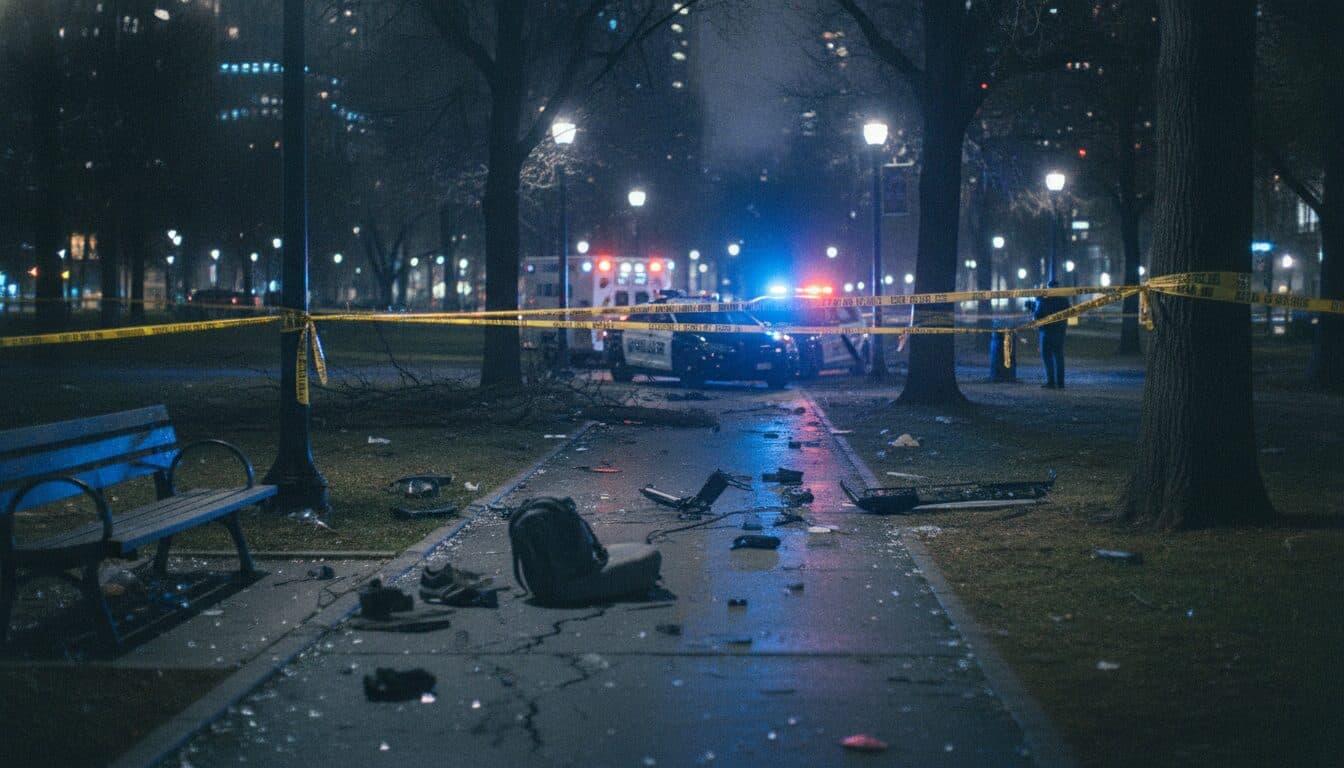
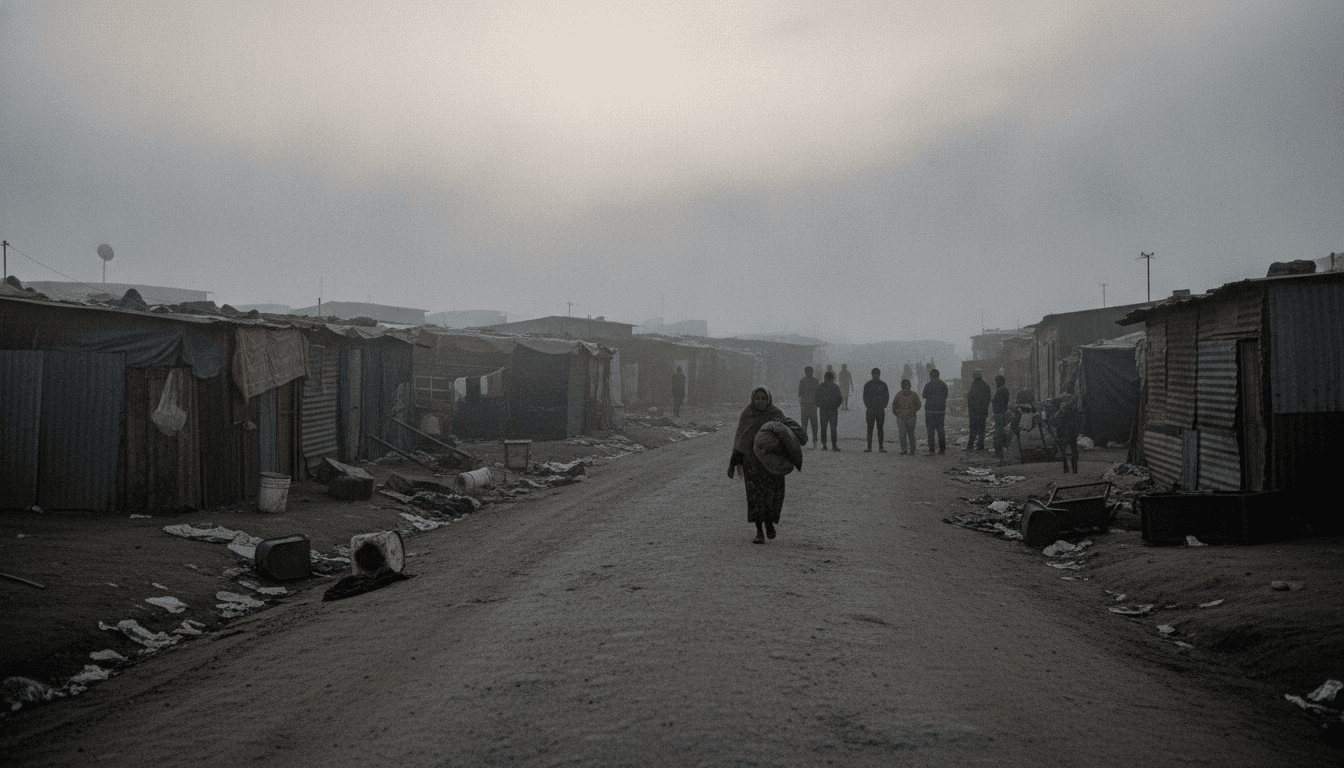
The horrific events unfolded shortly after 11 p.m. on Tuesday, June 9, when more than 10 suspects, arriving in a minibus, descended upon the Jumpers informal settlement in the Cleveland suburb, east of Johannesburg city center. Eyewitnesses reported a coordinated attack, with the assailants entering the settlement from two access points and opening fire indiscriminately on residents at multiple locations before fleeing in the same vehicle. The toll is stark: eleven individuals died at the scene, and a twelfth victim later succumbed to their injuries in the hospital. The victims comprise nine men and three women, adding to the grim statistics of a nation grappling with an average of over 60 homicides daily.
Provincial police commissioner Tommy Mthombeni confirmed that a large-scale manhunt is underway for the more than 10 suspects involved in this deadly mass shooting, though no arrests have been made as of Wednesday. The motive for the attack remains under active investigation, but the location of the incident – an informal settlement in Cleveland, a suburb known for illegal mining activity – immediately raises concerns about links to organized crime and competition over illicit resources, a recurring theme in South Africa’s gun violence epidemic.
The Recurring Scourge of Deadly Mass Shooting Incidents
South Africa’s battle with mass shootings is a deeply entrenched and frequently recurring issue, often intertwined with organized crime, gang rivalries, and fierce competition for resources, particularly in the lucrative but dangerous world of illegal mining. Taverns, often community hubs, have frequently been targeted in such brutal attacks, though this latest incident struck directly at a residential settlement. The sheer volume of firearms, both legal and illegal, circulating within the country fuels this violence, contributing to one of the highest murder rates globally.
The recent past is littered with similar tragedies, highlighting the systemic nature of the problem. December 2025 alone saw two high-profile mass shootings claim over 20 lives. One incident in Bekkersdal, 46 kilometers west of Johannesburg, resulted in nine deaths and ten injuries at a pub. Earlier that month, a hostel in Pretoria was the scene of another massacre, with 12 people killed and 13 wounded. These follow other notable incidents, such as a 2022 shooting in Soweto that killed 16 and a 2023 attack in Gqeberha where eight people died at a birthday party. Each event is a stark reminder of the pervasive threat to civilian life.
“The persistent cycle of gun violence in South Africa is not merely a policing issue; it’s a profound societal crisis impacting everything from public safety to economic stability.”
Global Ramifications and Economic Strain
While the immediate financial market impact of this specific deadly mass shooting may not be directly quantifiable, the cumulative effect of widespread crime and persistent gun violence casts a long shadow over South Africa’s broader economic prospects. Investor confidence is inevitably eroded by a perception of instability and insecurity, potentially deterring foreign direct investment crucial for job creation and economic growth. Similarly, the tourism sector, a vital contributor to the national economy, suffers when headlines consistently report such brutal incidents, discouraging international visitors.
Beyond investor sentiment, the human cost translates into significant economic strain. The healthcare system bears a substantial burden from the severe and often complex injuries inflicted by firearms, diverting resources that could otherwise be allocated to preventative care or other public services. The ongoing debate surrounding gun control further complicates this landscape, with organizations like Gun Free South Africa advocating for stricter measures, pointing to a 40% decline in firearm murder rates between 1998 and 2007 following stronger gun laws. They emphasize that firearms remain the most common weapon in murders and that a significant portion of illegal guns were once legally owned, with 8,452 firearms reported lost or stolen by civilians in 2023-2024 alone. Conversely, pro-gun groups argue that existing laws are already stringent and that further regulation would only penalize law-abiding citizens without impacting criminals who obtain weapons illegally. The proposed Firearms Control Amendment Bill of 2021, which sought to prohibit self-defense as a reason for gun ownership, ignited considerable public debate, with Police Minister Bheki Cele firmly supporting tighter controls, asserting that gun ownership is a privilege, not a right, in South Africa. The unresolved nature of this debate means the nation continues to grapple with the availability of weapons in the hands of both legal and illegal owners, exacerbating the cycle of violence.
The international community watches with concern as South Africa navigates these deep-seated challenges. The ability of the state to ensure the safety and security of its citizens is a fundamental pillar of its democratic stability and economic potential. This latest incident, therefore, resonates far beyond Johannesburg, signaling broader governance and societal issues that demand urgent attention. For more trending stories, visit our news section.
What’s Next: A Nation on Edge
The immediate focus remains on the manhunt, with police forces under immense pressure to apprehend the perpetrators of this deadly mass shooting. The outcome of this investigation will be a critical test of law enforcement’s capacity to bring justice to victims and restore a semblance of order in communities living under constant threat. Beyond the immediate police action, the incident is likely to reignite the contentious gun control debate, with both sides intensifying their arguments in the wake of such a high-profile tragedy. Policymakers will face renewed calls for action, whether through stricter enforcement of existing laws, the introduction of new legislation, or more comprehensive strategies to combat organized crime and illegal mining. The long-term implications for investor confidence and tourism will hinge on the government’s perceived effectiveness in addressing these systemic issues. The coming weeks will reveal how South Africa responds to this latest crisis, and whether it can break the cycle of violence that continues to claim so many lives.