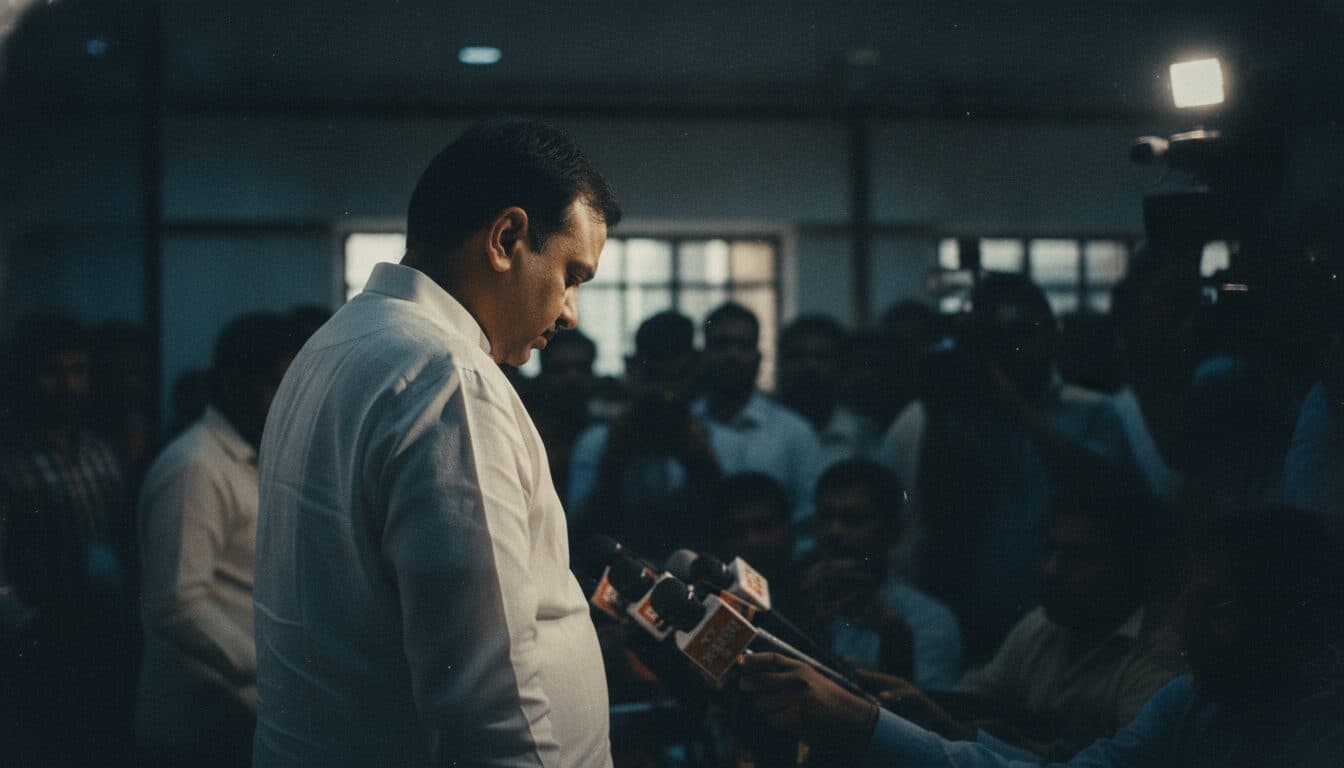
Britain’s Defence Minister Healey resigns today, Thursday, June 11, 2026, sending shockwaves through the Labour government and signaling significant political instability. John Healey’s departure stems from deep-seated concerns over the government’s long-delayed defence spending plans, which he explicitly stated “falls well short of what is required for defence and the country at this dangerous time.” His scathing resignation letter to Prime Minister Keir Starmer accused both the Prime Minister and the Treasury of being “unwilling to commit the resources that the nation needs to defend the country at this time of rising threats,” setting the stage for a critical examination of national security priorities and fiscal management.
Healey’s resignation comes as the government’s Defence Investment Plan (DIP), outlining future equipment and spending, remains unpublished despite being due in autumn 2025. This repeated delay has drawn sharp criticism, with lawmakers warning it has “undermined the UK’s credibility with allies and been costly for the government.” The former Defence Minister made it clear that the need for further investment in defence was evident, with cost assessments completed in January, and that he was being forced into decisions that “could make our country less safe.”
The Unfolding Crisis: Defence Spending Dispute
At the heart of the crisis is a significant dispute over the level of defence funding. Reports indicate that the Ministry of Defence had been demanding an £18 billion four-year funding increase, while the Prime Minister and Chancellor were reportedly advocating for a smaller £15 billion package. Defence officials have even called for a more substantial £28 billion increase over the next four years to address modern threats effectively. Prime Minister Keir Starmer has previously pledged to increase UK defence spending to 2.5% of Gross Domestic Product (GDP) by 2027 and 3% by 2034, with a further commitment to reaching 3.5% of GDP on core defence spending by 2035 as part of a NATO agreement. However, the mechanism to fund even the proposed £15 billion increase involves cutting £6 billion in investment from other crucial projects, such as schools and hospitals, over the next four years, with all departments facing at least a 1% cut in their capital budgets. This approach raises concerns about “salami-slicing” capital budgets, potentially leading to increased costs due to project delays in the long run.
The global implications of this internal dispute are considerable. Britain’s role on the international stage, particularly within NATO and in responding to evolving geopolitical threats, hinges on a robust and well-funded defence apparatus. The perceived weakening or underfunding of the UK’s military capabilities could impact its standing among allies and adversaries alike. Furthermore, the political instability triggered by Healey’s departure could distract the government from pressing international issues, potentially creating a vacuum in leadership or delaying critical foreign policy decisions. The market impact, while not immediately quantified, could see increased scrutiny of the government’s financial management and its ability to meet strategic military objectives, potentially leading to market uncertainty.
“Britain’s defence policy has been dysfunctional for decades, with a disconnect between strategic ambitions and actual resources.”
Expert perspectives underscore the gravity of the situation. Professor Jamie Gaskarth notes that “Britain’s defence policy has been dysfunctional for decades,” highlighting a persistent disconnect between strategic ambitions and the actual resources allocated. Military leaders have consistently warned that current funding levels are unsustainable, directly undermining the armed forces’ ability to respond to complex modern threats. The lengthy delay in publishing the Defence Investment Plan itself has been criticized for undermining the UK’s credibility with allies and incurring costs for the government.
Britain’s Defence Minister Healey Resigns: What’s Next?
Healey’s resignation is a significant blow to Prime Minister Keir Starmer, who is reportedly already facing demands from Labour colleagues to step down amidst a “political storm.” The timing of the defence spending boost is viewed by some as a political maneuver to regain authority following a reported loss of support from ministers, Labour backbenchers, and affiliated unions. The decision to cut funding from other public services to bolster defence is likely to create further political challenges and public backlash, intensifying the pressure on the government. The search for Healey’s successor will be closely watched, as will the eventual publication of the Defence Investment Plan and the government’s strategy for funding its defence commitments without crippling other vital public services. The long-term stability of Starmer’s government and the future direction of UK defence policy now hang in the balance.
The departure of Britain’s Defence Minister Healey resigns underscores a critical juncture for the UK. The government faces immense pressure to reconcile its defence ambitions with fiscal realities, all while navigating internal political strife and a demanding international landscape. The coming weeks will reveal whether this resignation marks an isolated incident or the beginning of deeper political turmoil for the Labour administration. Observers will be keenly watching for signs of further dissent within the government, the market’s reaction to the unfolding political drama, and the concrete steps the Prime Minister takes to restore confidence in his leadership and the nation’s defence strategy. For more trending stories, stay tuned to The Financial Standard.