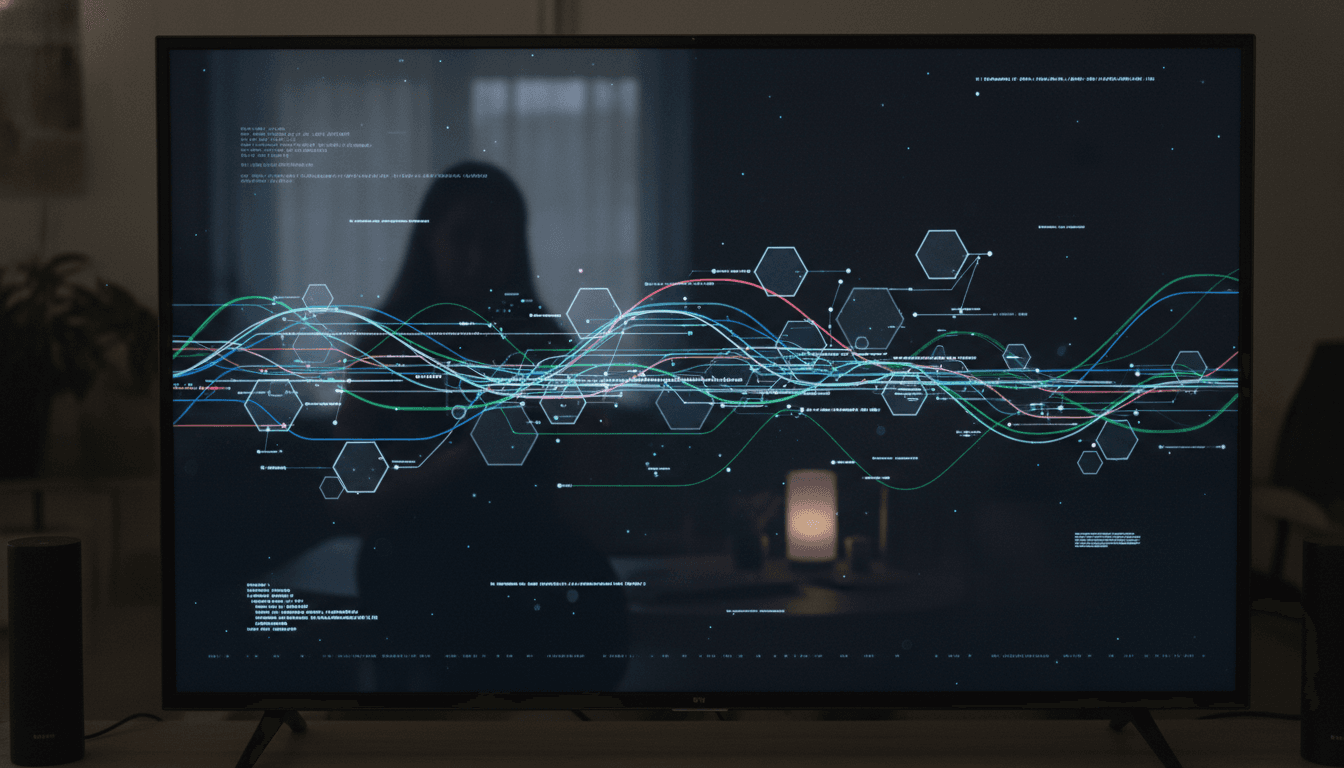
Free apps are quietly turning smart TVs into web-scraping proxies for AI, posing a significant, evolving threat to consumer privacy and network security. This concerning trend, highlighted by recent cybersecurity reports, reveals how seemingly innocuous applications on internet-connected televisions are being exploited to harvest vast amounts of online data, often without the user’s explicit knowledge or consent. As artificial intelligence models demand ever-increasing datasets for training and operation, the lucrative incentive for malicious actors to commandeer household devices as data collection points intensifies.
The mechanism behind this exploitation is often cleverly disguised within the terms and conditions of ‘free’ smart TV applications. Users, eager for entertainment, frequently grant broad permissions that allow these apps to operate in the background, ostensibly for ‘analytics’ or ‘service improvement.’ However, these permissions can be abused, transforming the smart TV into a clandestine node in a distributed network of web scrapers. This network then systematically collects publicly available data from websites, contributing to large datasets used to train AI models, which can range from legitimate research to more nefarious applications.
The Silent Operation of Smart TV Proxies
Unlike traditional malware that explicitly seeks to steal personal data stored on a device, these smart TV web-scraping proxies leverage the TV’s internet connection to act as an intermediary for data collection. The apps initiate requests to various websites, download content, and then relay this data back to central servers controlled by the operators. Because the traffic originates from a residential IP address associated with a consumer device, it often bypasses conventional bot detection and rate-limiting measures employed by websites, making the activity particularly difficult to trace and mitigate. This distributed approach provides a powerful, low-cost method for data harvesting at scale, fueling the insatiable demand for information in the AI development landscape.
“The silent transformation of smart TVs into web-scraping proxies represents a new frontier in cyber exploitation, blurring the lines between legitimate app functionality and covert data harvesting.”
Understanding the Risks to Financial Privacy
For financial institutions and their clients, the proliferation of smart TV web-scraping proxies presents a nuanced but critical risk. While direct theft of banking credentials from the TV itself is less common, the aggregated data collected can be used to build highly detailed profiles of individuals. These profiles, enriched with browsing habits, interests, and even demographic data inferred from viewing patterns, can then be sold on illicit markets or used to craft highly sophisticated phishing attacks. Furthermore, compromised smart TVs could potentially be used as stepping stones for more direct network intrusions, especially if they reside on the same home network as devices containing sensitive financial information. Businesses must remain vigilant about the broader implications of IoT device security, including related Tech news and threats.
Protecting Your Home Network from AI-Driven Scraping
Mitigating the risk of free apps turning smart TVs into web-scraping proxies for AI requires a multi-pronged approach. Consumers should exercise extreme caution when downloading new applications, carefully reviewing permissions requested and opting for well-known, reputable developers. Regularly updating smart TV firmware is crucial, as manufacturers often release patches for newly discovered vulnerabilities. Implementing network-level security, such as firewalls and intrusion detection systems, can help monitor and block suspicious outbound traffic from smart TVs. Furthermore, segmenting smart devices onto a separate guest network can isolate them from more sensitive devices on the primary home network, limiting potential lateral movement by attackers. Educating oneself about the evolving landscape of IoT security is paramount in safeguarding digital privacy.
The quiet transformation of smart TVs into web-scraping proxies for AI underscores the persistent challenge of securing our increasingly interconnected digital lives. As AI’s data appetite grows, so too does the creativity of those seeking to feed it, often at the expense of consumer privacy and network integrity. Vigilance, informed choices, and robust security practices are essential to prevent our entertainment hubs from becoming unwitting tools in the global data economy.