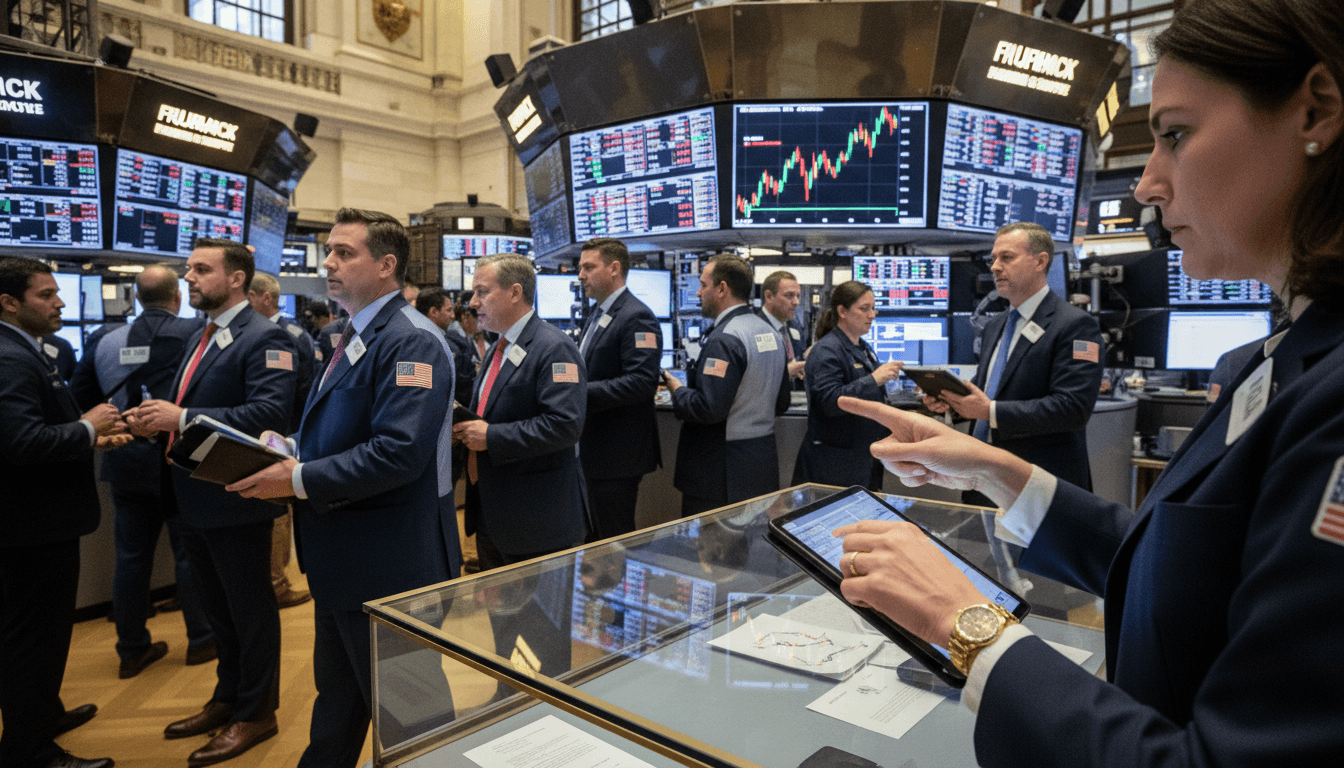
A landmark Universal Music Group bid has sent ripples through the entertainment and finance sectors, with Bill Ackman’s Pershing Square Capital Management proposing a colossal $64 billion acquisition of the music giant. The non-binding proposal, submitted on Tuesday, April 7, 2026, aims to merge UMG with Pershing Square SPARC Holdings, Ltd., an acquisition company, before listing the combined entity on the New York Stock Exchange (NYSE) as a Nevada corporation. This audacious move underscores Ackman’s long-held conviction that UMG’s true value remains unappreciated on the Euronext Amsterdam exchange.
Under the intricate terms of the proposal, UMG shareholders stand to receive a compelling package: €9.4 billion in cash, translating to €5.05 per share, alongside 0.77 shares of a newly formed entity dubbed “New UMG” for each existing UMG share. Pershing Square’s calculations peg the total consideration at an attractive €30.40 per share, representing a substantial 78% premium over UMG’s closing price on April 2. Ackman’s rationale for this premium is rooted in his belief that UMG’s stock price has been “languishing” due to external factors, including the protracted delay of a U.S. listing, an underutilized balance sheet, and the unresolved question mark surrounding French billionaire Vincent Bolloré’s 18% stake.
The Business Impact of the Universal Music Group Bid
This landmark Universal Music Group bid, if successful, promises to reshape the landscape of music and investment. For UMG, a move to the NYSE, a goal Ackman has consistently championed, is expected to unlock significant institutional investment and enhance analyst coverage, potentially leading to a more robust valuation. The proposed deal also includes a strategic overhaul of leadership, with former Disney chief Michael Ovitz slated to become UMG chairman, joined by two representatives from Pershing Square on the new board. Furthermore, current UMG Chief Executive Lucian Grainge would receive a new employment contract and compensation arrangement, signaling continuity and confidence in the music executive’s leadership.
Pershing Square, which commands over $26 billion in assets, is no stranger to UMG. Ackman’s firm initially acquired a 10% stake in the music powerhouse from Vivendi in 2021, coinciding with UMG’s initial listing on the Euronext Amsterdam exchange. His subsequent resignation from UMG’s board in May 2025, attributed to new executive and board obligations, did little to dampen his commitment to realizing UMG’s full market potential. This latest proposal is a testament to Ackman’s persistent belief in the underlying strength of UMG’s core business, home to global superstars like Taylor Swift, Drake, and Kendrick Lamar, whose catalogs represent invaluable intellectual property.
“Ackman’s strategy here is a classic activist play: identify an undervalued asset, propose a strategic re-listing, and offer a significant premium to unlock shareholder value. The proposed U.S. listing is a critical component of his vision to attract a broader, more sophisticated investor base.”
The market impact extends beyond UMG itself. A successful acquisition and NYSE listing of such a prominent music entity could set a precedent for future valuations in the entertainment sector, particularly for companies with strong intellectual property and global reach. It might also encourage other European-listed companies with significant U.S. revenue streams to explore similar dual-listing or re-listing strategies to capitalize on the deeper pools of capital and analyst attention in the U.S. markets. This Universal Music Group bid highlights the ongoing financialization of creative assets.
Context and Industry Trends
The proposed merger arrives amidst a period of significant consolidation and financial maneuvering within the music industry. Streaming has fundamentally altered revenue models, placing a premium on catalog ownership and global distribution. Major labels like UMG, Sony Music, and Warner Music Group have seen their valuations soar, driven by predictable recurring revenue streams from platforms like Spotify and Apple Music. Ackman’s prior investment and continued advocacy for UMG underscore a broader trend of institutional investors recognizing the long-term value and stability offered by music rights.
The uncertainty surrounding Vincent Bolloré’s 18% stake in UMG has been a consistent point of discussion among investors. Bolloré, a seasoned corporate raider, has a history of strategic asset management, and the resolution of his stake could significantly influence the final structure and outcome of any deal. Ackman’s proposal aims to provide a clear path forward, alleviating this uncertainty and potentially streamlining UMG’s corporate governance.
What’s Next for the Universal Music Group Bid
The immediate future hinges on UMG’s response. As of the Reuters report, UMG has not publicly commented on the proposal. The transaction is ambitious, with an expected close by year-end, contingent on a series of critical approvals. Both the UMG and SPARC boards must give their consent, followed by a two-thirds vote by UMG shareholders. Crucially, the deal will also require various regulatory approvals, which, given the size and scope of UMG’s global operations, could be a complex and time-consuming process. The investment community will be closely watching for UMG’s initial reaction and any counter-proposals that may emerge.
The successful execution of this Universal Music Group bid could redefine how major music assets are valued and traded on global exchanges. For investors tracking the intersection of finance and entertainment, this move by Pershing Square represents a significant moment, potentially unlocking substantial value and setting a new benchmark for premium acquisitions in the creative industries. The outcome will undoubtedly be a major talking point in boardrooms and financial news feeds alike for the remainder of the year. Related sport articles often highlight such high-stakes financial plays.
This landmark Universal Music Group bid by Bill Ackman is not just a financial transaction; it’s a strategic declaration about the enduring value of music, intellectual property, and the power of a U.S. listing to attract deep institutional capital. The proposed $64 billion merger, with its substantial premium and strategic leadership changes, could well be a pivotal moment for the global music industry, signaling a new era of investment and market optimization for creative assets. Explore more financial insights in sports and entertainment.