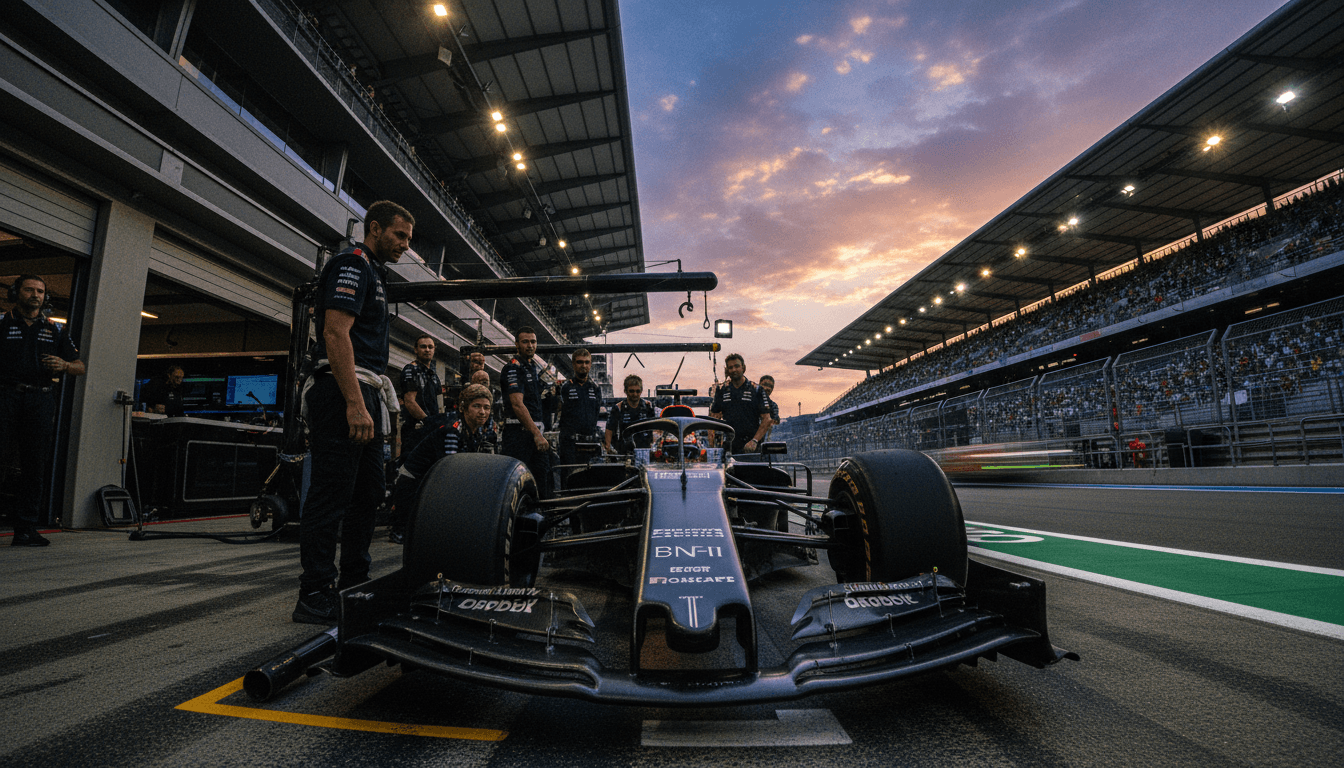
A significant UK F1 TV rights deal has sent ripples through the sports broadcasting world, as a major TV giant has committed £1 billion to secure exclusive rights for Formula 1 in the United Kingdom. This monumental investment, reported on Thursday, May 7, 2026, underscores the escalating value of premium live sports content and the fierce competition among broadcasters to capture engaged audiences.
The Business Impact
The identity of the TV giant remains undisclosed in the initial report, but the sheer scale of the £1 billion outlay for UK F1 TV rights signals a decisive move to dominate a crucial segment of the sports entertainment market. This figure represents a staggering commitment, reflecting Formula 1’s continued growth in popularity and its proven ability to attract a high-value demographic. For the sport itself, such a lucrative deal provides a substantial financial injection, potentially funding further development, technological advancements, and expansion into new markets. It also sets a new benchmark for future rights negotiations across other major sports.
The financial implications extend beyond the direct transaction. For the acquiring broadcaster, the challenge will be to monetize this substantial investment through subscriptions, advertising revenue, or a hybrid model. The expectation will be that the exclusive nature of the UK F1 TV rights will drive subscriber growth and retention, proving the return on investment over the contract’s duration. This strategy is critical in an increasingly fragmented media landscape where consumers have more choice than ever before.
Market Reshaping and Valuation Trends
This £1 billion deal for UK F1 TV rights is poised to reshape the sports broadcasting landscape in the UK and potentially influence valuations globally. It reinforces the trend that live sports, particularly those with a dedicated global following like Formula 1, are becoming increasingly vital assets for media companies. In an era where streaming services are proliferating, exclusive live content offers a powerful differentiator, combating subscriber churn and attracting new audiences.
The valuation of sports rights has been on an upward trajectory for years, driven by a combination of factors: global fan bases, the unique ‘must-watch-live’ appeal of events, and the advertising revenue potential tied to these engaged audiences. This deal further solidifies the premium status of top-tier sports properties, suggesting that rights holders will continue to command higher prices in future negotiation cycles. It also highlights the strategic importance of Formula 1 as a global brand, appealing to both traditional motorsport enthusiasts and a younger, digitally native audience drawn in by its compelling narratives and personalities. Read more about sports broadcasting economics here.
Context and Historical Precedent
Historically, Formula 1 broadcasting in the UK has seen various iterations, from free-to-air dominance to mixed models and increasingly, pay-TV exclusivity. Previous deals, while significant, did not reach this stratospheric £1 billion mark, indicating a substantial escalation in perceived value. This rise is partly attributable to Formula 1’s renewed global appeal, boosted by initiatives like Netflix’s ‘Drive to Survive’ series, which has introduced the sport to millions of new fans, particularly in key markets. The consistent drama, technological innovation, and compelling human stories inherent in F1 make it a uniquely marketable product.
The broader industry trend shows that media companies are willing to pay top dollar for exclusivity. This mirrors deals seen in football, basketball, and other major sports, where rights fees have consistently broken records. The battle for eyeballs is intense, and owning the rights to a sport with F1’s global reach and consistent viewership provides a powerful weapon in the war for market share. This investment is not just about broadcasting; it’s about building an ecosystem around the content.
“The battle for premium sports rights has never been fiercer. A £1 billion commitment for UK F1 TV rights isn’t just a transaction; it’s a strategic declaration of intent in the global media landscape.”
What’s Next for UK F1 TV Rights?
The immediate future will see the acquiring TV giant strategizing how to best leverage its new asset. This could involve enhanced production values, innovative digital offerings, and perhaps even exploring hybrid models that offer some free-to-air highlights or delayed coverage to maximize reach while maintaining exclusivity for live races. Competitors will be forced to re-evaluate their own sports rights portfolios, potentially leading to further consolidation or targeted acquisitions in other sports to remain competitive.
For Formula 1, this deal provides financial stability and a strong platform for continued growth. It also sets a precedent for upcoming negotiations in other territories, signaling that the sport’s commercial value is robust and increasing. Fans, meanwhile, will be watching closely to see how the viewing experience evolves under the new rights holder, balancing access with the premium content offering. Explore more on future sports media deals.
Key Takeaway
This £1 billion acquisition of UK F1 TV rights is a powerful testament to the enduring and escalating value of live sports content in the global media economy. It underscores a strategic pivot by major broadcasters towards securing exclusive, high-demand properties as a primary driver for subscriber growth and market differentiation. The deal will undoubtedly influence future negotiations across the sports industry, solidifying Formula 1’s position as a premier global entertainment product and raising the bar for the financial commitments required to own a piece of the action.