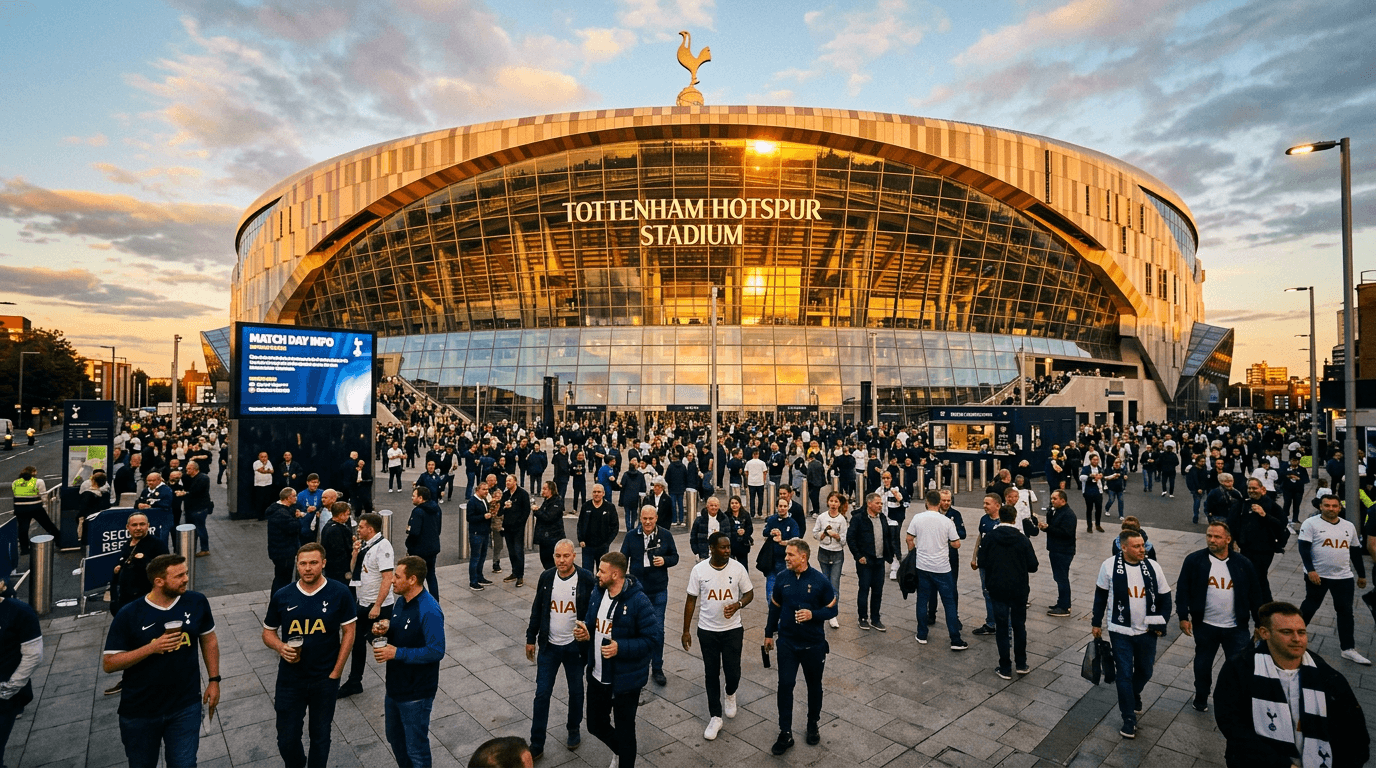
A potential Tottenham relegation financial hit of £261 million is currently the most pressing concern for the board at the Tottenham Hotspur Stadium as the club enters a critical final stretch of the season. With just 10 Premier League matches remaining, the North London side finds itself in an unfamiliar and precarious position, sitting a mere point above the relegation zone. The appointment of Igor Tudor as manager in February was intended to steady the ship, but the pressure is mounting as the financial reality of a potential drop to the EFL Championship becomes increasingly stark.
Tottenham Hotspur has long been a fixture in the upper echelons of global sports finance. According to the European club finance and investment landscape report by UEFA, the club generated approximately £690 million in revenue in 2025, ranking ninth among all European clubs. This elite status is now under threat. Analysis from BBC Sport suggests that the total economic fallout from relegation could strip the club of over a quarter of a billion pounds, fundamentally altering its long-term growth trajectory and investment capacity.
Analyzing the Tottenham Relegation Financial Hit
The sheer scale of the Tottenham relegation financial hit is best understood through its impact on matchday operations. In 2025, Spurs reported matchday earnings of £130 million, the fifth-highest figure in Europe. This revenue stream is driven by a sophisticated stadium model where fans pay an average of £76 per home match—a premium price point exceeded by only five other clubs on the continent. However, the business logic of high-yield ticketing relies on the prestige of Premier League opposition.
“The club may struggle to maintain those prices in the Championship, where fixtures against lower-profile teams such as Lincoln City would attract less demand.”
A move to the second tier would likely necessitate a significant reduction in ticket prices to maintain attendance levels. Furthermore, a drop in average attendance would have a secondary impact on ancillary matchday spending, such as hospitality, food, and beverage sales, which are vital components of the stadium’s profitability. For a club that invested heavily in a state-of-the-art arena designed to maximize per-spectator yield, a season of Championship football represents a catastrophic underutilization of assets.
The Broadcast and Commercial Cliff
While matchday losses are significant, the most dramatic portion of the Tottenham relegation financial hit stems from broadcast distributions. The Premier League’s domestic and international television deals remain the most lucrative in world sport, providing a financial floor that even the biggest European giants envy. To illustrate this disparity, last season’s promoted side, Ipswich Town, earned more in broadcast revenue than Spanish powerhouse FC Barcelona. For Tottenham, this revenue stream would evaporate almost overnight, replaced by the significantly smaller distributions of the EFL and temporary parachute payments.
Compounding this loss is the likely absence of European television money. Unless Spurs manage the improbable feat of winning the Champions League this season—which would grant them automatic qualification for next year’s tournament regardless of league standing—they will lose out on tens of millions in UEFA prize money and broadcast shares. This loss of visibility also trickles down into commercial partnerships. Related sport articles often highlight how global brands value the consistent exposure provided by top-flight and European football.
Commercial revenue reached a record £269 million for the club last year, anchored by cornerstone partnerships with Nike and AIA. These deals, worth a combined £70 million annually, are not immune to the club’s on-pitch performance. Both agreements contain specific clauses that trigger a reduction in value if the club is relegated. This contractual vulnerability means that even if the club retains its major sponsors, the cash flow from these deals will be significantly diminished at the exact moment the club needs it most.
Stadium Economics and Long-term Strategy
The multi-purpose nature of the Tottenham Hotspur Stadium, designed to host concerts and major events, also faces logistical hurdles in the Championship. The EFL season features 46 matches compared to the Premier League’s 38. This denser schedule, combined with potential midweek fixtures, reduces the available windows for hosting high-margin non-football events. If the stadium is occupied by additional home matches against EFL opposition, the opportunity cost of missed concert dates could further exacerbate the Tottenham relegation financial hit.
Historically, “Big Six” clubs have operated under the assumption of permanent top-flight status, allowing them to carry higher debt loads and wage bills. Tottenham’s current financial structure is built on the foundation of being a top-ten European revenue generator. Relegation would force a radical downsizing of the squad’s wage bill and likely necessitate the sale of marquee assets to bridge the £261 million gap. Industry experts view the Tottenham relegation financial hit as a cautionary tale regarding the volatility of the modern sports business landscape, where even the most robust commercial engines are only as secure as the team’s league position.
As Igor Tudor prepares his squad for the final ten fixtures, the stakes extend far beyond the pitch. The board is essentially fighting to preserve a business model that has taken over a decade to construct. Avoiding a Tottenham relegation financial hit is now the primary objective, as the alternative is a financial restructuring that could take years to resolve, potentially leaving the club lagging behind its traditional rivals for a generation.
The situation at Tottenham serves as a stark reminder of the high-stakes gamble inherent in the Premier League. While the rewards for success are unprecedented, the penalties for failure are now so large they threaten the very stability of the country’s most valuable sporting institutions. The coming weeks will determine whether Spurs remain a European financial titan or become the most expensive casualty in the history of English football.