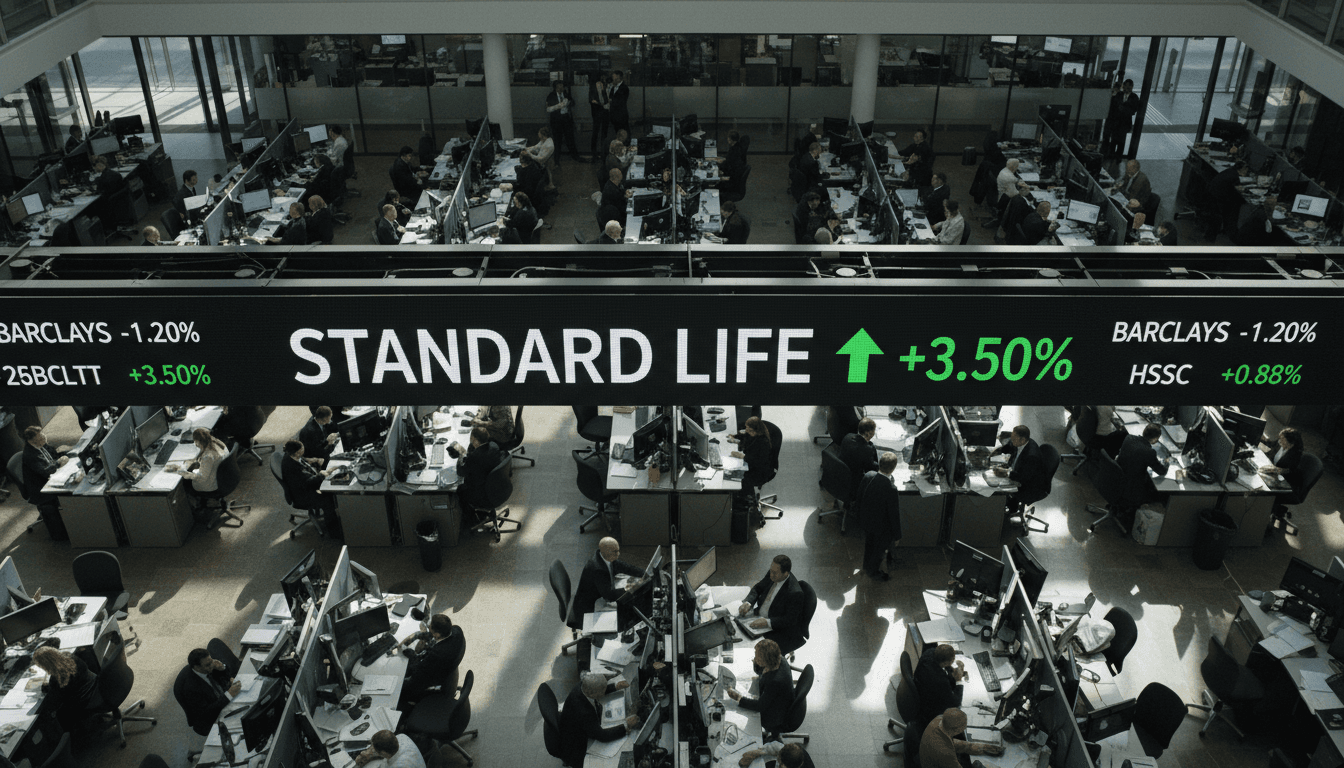
Standard Life Aegon acquisition of Aegon UK, a significant move valued at £2 billion, sent Standard Life shares soaring on Wednesday, April 15, 2026. This landmark transaction underscores the ongoing consolidation within the financial services sector and its ripple effects across broader investment landscapes, including those that heavily influence sports sponsorships and infrastructure development. For the sports business world, such a substantial capital reallocation by a major financial player signals both opportunities and potential shifts in corporate partnership strategies.
The Story: A £2 Billion Strategic Play
The core of this financial upheaval lies in Standard Life’s strategic decision to acquire Aegon UK for a staggering £2 billion. This move, reported by AskTraders, immediately resonated with investors, leading to a notable increase in Standard Life’s share price. While the immediate impact is on the financial services industry, the ramifications for sports are indirect yet profound. Large financial institutions like Standard Life and Aegon are often key players in the sponsorship market, backing everything from major leagues and tournaments to individual athletes and grassroots initiatives. A consolidation of this magnitude can lead to a re-evaluation of marketing budgets, brand priorities, and ultimately, which sports entities receive corporate backing.
The deal itself represents a significant bet on the future of the UK’s financial advisory and wealth management market. For Standard Life, integrating Aegon UK’s operations promises enhanced market share, cost synergies, and a broader client base. For the sports industry, the health and strategic direction of such powerful financial entities are paramount. Their investment decisions, whether in direct sponsorships or through private equity arms exploring sports ventures, dictate a substantial portion of the industry’s external funding. The financial landscape of sports is intrinsically linked to these broader economic movements.
Market Impact: Reshaping Corporate Sports Investment
The immediate market impact of the Standard Life Aegon acquisition is a strengthening of Standard Life’s position in the financial sector. However, the ripple effect on the sports business landscape is worth scrutinizing. When major corporate entities undergo such significant M&A activity, there’s often a period of internal review regarding branding, marketing spend, and corporate social responsibility initiatives. This could mean a recalibration of existing sponsorship deals or a shift in focus for future partnerships. Competitors in the financial sector might also react, potentially leading to increased competition for high-profile sports sponsorships as they seek to maintain brand visibility and market share.
“Major financial mergers often act as a catalyst for a strategic overhaul of marketing and sponsorship portfolios, directly influencing where billions of pounds are invested in sports annually.”
Valuations within the sports industry itself could be indirectly affected. If large financial institutions become more conservative or more selective in their sponsorship choices post-merger, it could temper the upward trajectory of certain sponsorship valuations. Conversely, a stronger, more consolidated financial entity might have a larger war chest for premium sponsorships, driving up prices for elite properties. The Standard Life Aegon acquisition is a case study in how macro-financial events can shape micro-level investment decisions in sports.
Context & Background: A Trend of Consolidation
This £2 billion Standard Life Aegon acquisition is not an isolated event but rather part of a broader trend of consolidation within the financial services industry. Facing increasing regulatory pressures, technological disruption, and competitive landscapes, many financial firms are seeking scale and efficiency through mergers and acquisitions. In recent years, we’ve seen numerous examples of financial giants streamlining operations and acquiring competitors to enhance their market position. This mirrors a similar trend in sports, where private equity firms and institutional investors are increasingly consolidating ownership stakes in teams, leagues, and media rights. The convergence of these trends suggests a future where both the financial backing and the ownership structures of sports entities become more concentrated.
Previous deals, both within finance and in the intersection of finance and sport, highlight this pattern. We’ve witnessed a growing appetite from financial institutions to invest directly in sports-related assets, recognizing the stable, long-term returns and global audience reach. The strategic rationale behind the Standard Life Aegon acquisition, focused on market dominance and operational efficiency, provides a blueprint for how financial powerhouses continue to evolve, with direct implications for their engagement with the sports world. The financial services sector remains a critical pillar of support for the sports economy, whether through direct investment, sponsorship, or the provision of capital for infrastructure projects.
What’s Next: Strategic Shifts and New Opportunities
Looking ahead, the successful integration of Aegon UK into Standard Life will be closely watched. For the sports industry, this means monitoring any shifts in Standard Life’s corporate marketing and sponsorship strategy. Will the combined entity seek to consolidate its existing portfolio, or will it look for new, larger, and more impactful partnerships to leverage its enhanced market presence? There could be upcoming decisions regarding which sports properties align best with the new, larger Standard Life brand identity. This could present new opportunities for emerging sports or properties that offer innovative engagement models.
Market predictions suggest that other financial institutions may follow suit, either through further consolidation or by adjusting their own investment strategies to compete with a more dominant Standard Life. This competitive dynamic could lead to a more vibrant, albeit potentially more selective, sponsorship market in sports. Furthermore, the capital freed up or reallocated as a result of such a significant deal could find its way into sports infrastructure projects, media rights acquisitions, or even direct investment in sports tech startups. The Standard Life Aegon acquisition is a bellwether for future financial movements that will inevitably touch the sports ecosystem.
Key Takeaway: The Interconnectedness of Finance and Sport
The Standard Life Aegon acquisition for £2 billion underscores the profound and often understated interconnectedness between the high-stakes world of financial services and the global sports industry. As major financial players consolidate and strategically reposition themselves, their decisions send reverberations through the sports economy, influencing everything from sponsorship budgets and athlete endorsements to stadium development and media rights valuations. This transaction serves as a potent reminder that the financial health and strategic direction of corporate giants directly impact the funding, growth, and commercial viability of sports worldwide. Understanding these macro-financial movements is crucial for anyone navigating the complex and ever-evolving landscape of sports business.