Sony’s sale of its home entertainment business to TCL for approximately $1 billion marks a significant realignment in the consumer electronics landscape, with ripple effects potentially impacting the broader sports broadcasting and fan engagement sectors. Announced on Sunday, April 26, 2026, this deal sees a Japanese tech giant divesting a substantial division to a rising Chinese competitor, signaling strategic shifts that could reshape content distribution and device accessibility for sports fans globally.
The Story Behind the Deal
The core of this transaction involves Sony, a long-standing titan in electronics and entertainment, offloading its home entertainment segment to TCL, a rapidly expanding multinational electronics company. While the exact product lines encompassed by the ‘home entertainment business’ are not fully detailed in the announcement, such divisions typically include televisions, home audio systems, and related accessories. The reported figure of nearly $1 billion underscores the scale of this divestiture and TCL’s ambition to significantly expand its market share in key consumer electronics categories.
For Sony, this move could be interpreted as a strategic pivot, allowing the company to concentrate resources on other, potentially more profitable or strategically aligned ventures. Historically, Sony has a diversified portfolio ranging from gaming (PlayStation) and music to film production and professional broadcasting equipment. Streamlining its operations by shedding a segment that might face intense competition or lower margins could free up capital for investments in areas like content creation, gaming infrastructure, or high-margin professional solutions, which are increasingly critical for sports media rights holders and broadcasters.
Conversely, for TCL, acquiring Sony’s home entertainment business represents a substantial boost to its global presence and technological capabilities. TCL has been aggressively expanding, particularly in the television market, often competing on price and smart features. Integrating Sony’s established brand recognition, engineering expertise, and potentially its distribution networks could accelerate TCL’s premium market penetration and enhance its product offerings, directly influencing the devices through which millions consume sports content.
Market Impact and Sports Business Implications
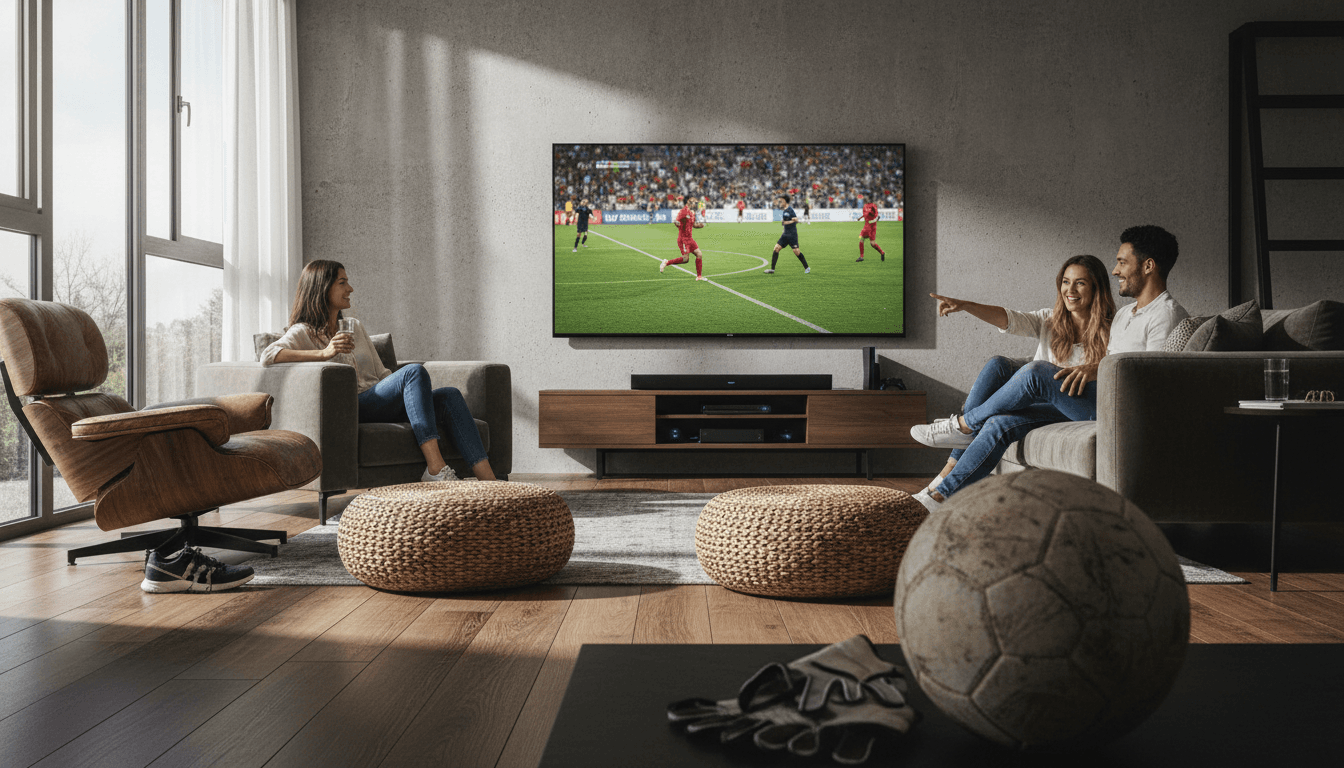
The acquisition of Sony’s home entertainment business by TCL is set to have a multifaceted impact on the sports business ecosystem. Firstly, it could intensify competition in the television and display market. With TCL gaining a more prominent position, we might see more aggressive pricing strategies or faster innovation cycles in smart TV features, directly benefiting consumers who purchase these devices to watch live sports. Improved display technologies, enhanced smart TV platforms, and more competitive pricing could make high-quality sports viewing experiences more accessible.
Secondly, this deal could influence partnerships between device manufacturers and sports content providers. As TCL expands its footprint, it may seek deeper collaborations with sports leagues, broadcasters, and streaming services to pre-install apps, offer exclusive content bundles, or integrate advanced features tailored for sports viewing. This could lead to new revenue streams for sports organizations and more integrated viewing experiences for fans. For instance, imagine a TCL television with a dedicated ‘Sports Mode’ or direct access to specific league passes, potentially offering an edge over competitors.
“This deal signifies a clear shift in the power dynamics of consumer electronics, which inevitably trickles down to how sports content is consumed and monetified. Device manufacturers are not just hardware providers; they are increasingly gatekeepers and facilitators of the viewing experience,” noted an analyst specializing in media technology.
The consolidation also raises questions about the future of brand loyalty and technology standards. Will TCL leverage the Sony brand for certain product lines, or will it fully integrate the acquired assets under its own banner? This decision will have implications for how consumers perceive the quality and innovation behind their sports-viewing devices. For related sport articles on media rights and technology, delve into our archives.
Context and Industry Trends
This sports business transaction occurs against a backdrop of significant shifts in the consumer electronics and media industries. The global television market has seen intense competition from Asian manufacturers for years, leading to consolidation and strategic retreats by some legacy players. Furthermore, the convergence of hardware, software, and content has accelerated, with companies like Samsung, LG, and now TCL increasingly investing in their own smart TV platforms and content partnerships to create integrated ecosystems. This trend is particularly relevant for sports, where exclusive streaming rights and interactive viewing features are becoming key differentiators.
Previous large-scale mergers and acquisitions in the tech sector, while not directly comparable, have often resulted in market realignments, fostering new alliances and intensifying competition. For example, the acquisition of specific content libraries or technology patents by tech giants has repeatedly underscored the value of intellectual property and market access in the digital age. Sony’s sale of its home entertainment business is a natural progression in this dynamic landscape, allowing a focused approach in a highly competitive market.
What’s Next for Sony and TCL?
Following the $1 billion deal, the immediate future for Sony will likely involve a sharpened focus on its remaining core businesses. Expect further investments and strategic announcements in areas like gaming, professional imaging, and entertainment content. The capital freed up from this sale could fuel R&D into next-generation technologies or support aggressive content acquisition strategies, potentially strengthening its position in sports media production or virtual reality sports experiences.
For TCL, the integration of Sony’s home entertainment business will be a critical undertaking. This includes merging operations, leveraging acquired technologies, and potentially rebranding or repositioning product lines. Success will depend on how effectively TCL can assimilate Sony’s assets while maintaining its competitive edge. We may see TCL accelerate its expansion into new markets or segments, perhaps even challenging established premium brands more directly with a combined portfolio.
Key Takeaway for the Sports Industry
The Sony sale of its home entertainment business to TCL is more than just a corporate divestiture; it’s a bellwether for the evolving landscape of sports consumption. As hardware manufacturers consolidate and innovate, their role in delivering high-quality, immersive sports experiences becomes increasingly vital. This deal underscores the continuous strategic recalibration within global tech, directly influencing the platforms, devices, and ultimately, the accessibility of sports content for fans worldwide. The financial implications are clear: capital is being redeployed to areas of perceived higher growth and strategic importance, and the battle for the living room, where much of sports viewing still takes place, is intensifying with new, powerful contenders.