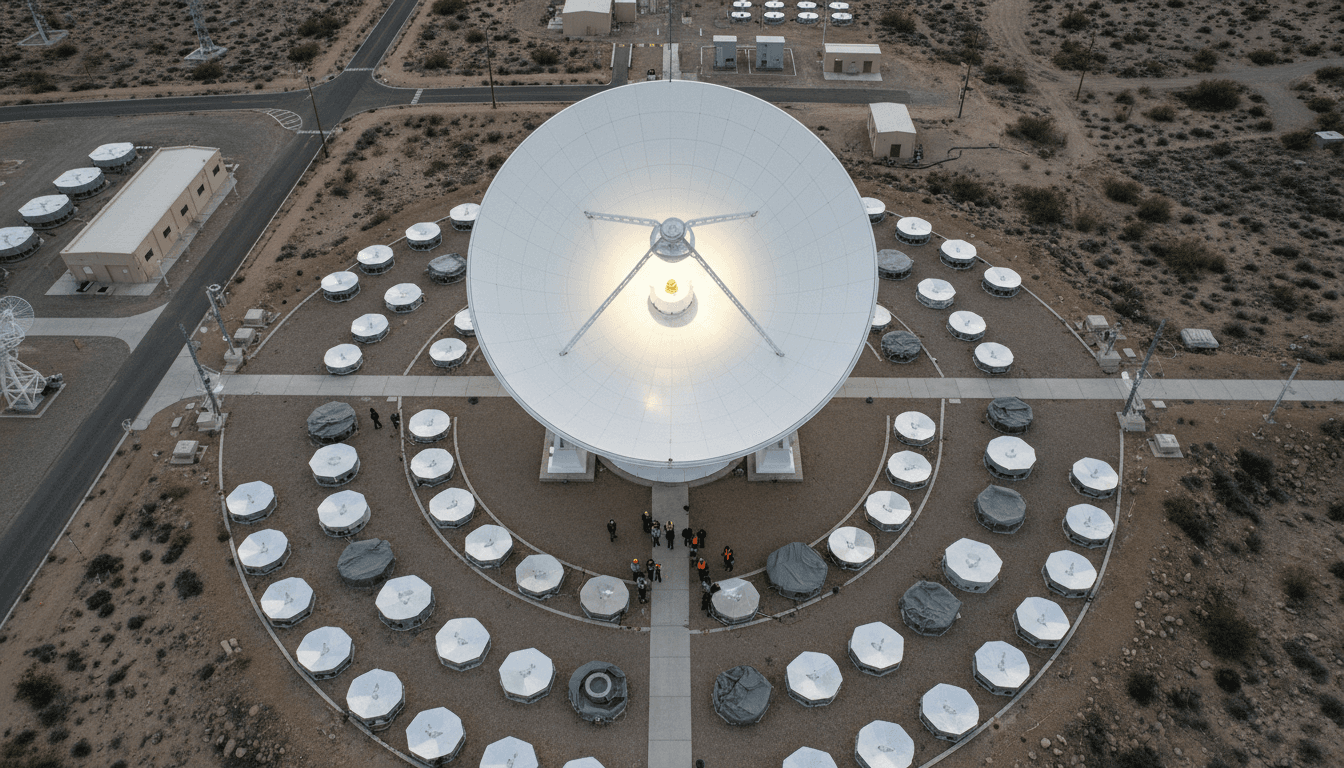
Raytheon Satellite Terminal Contract expansion by an additional $2 billion, announced Friday, May 8, 2026, by the USA Herald, signals a significant financial shift that could indirectly reverberate through the sports industry’s increasingly technology-dependent infrastructure. While seemingly a defense sector development, such massive capital injections into advanced technology companies often free up resources, foster innovation, and create new revenue streams that eventually find their way into diverse commercial applications, including sports broadcasting, fan engagement, and venue operations.
The Business Impact of Raytheon Satellite Terminal Contract
The core of this development is a substantial expansion of an existing U.S. Air Force deal with Raytheon, adding $2 billion to its satellite terminal contract. This brings a colossal financial boost to Raytheon, a global leader in aerospace and defense, solidifying its position within the critical government contracting space. For the sports world, this isn’t a direct sponsorship deal or a new broadcast agreement. Instead, it represents a significant liquidity event for a major technology player. Companies like Raytheon, with robust R&D budgets fueled by such contracts, are often at the forefront of developing satellite communication, data analytics, and secure networking technologies – all components that are becoming increasingly vital for the modern sports enterprise. From ultra-high-definition broadcasting from remote locations to real-time data transmission for athlete performance tracking and secure ticketing systems, the underlying technological advancements driven by defense spending can ultimately trickle down, creating more sophisticated and expensive solutions for sports organizations.
This influx of capital could also influence Raytheon’s broader investment strategies. While their primary focus remains defense, successful large-scale contracts free up discretionary capital. This could lead to increased M&A activity in adjacent tech sectors, some of which might have direct applications in sports. Imagine enhanced secure communication systems for major league operations or advanced data processing capabilities for sports analytics firms – technologies often refined in high-stakes defense environments before being commercialized. The financial stability offered by such long-term, high-value contracts also makes companies like Raytheon attractive partners for large-scale infrastructure projects, including those related to smart stadiums or global sports event connectivity.
Market Ripple Effects and Valuations
The immediate market impact on sports business valuations isn’t direct, but the broader economic implications are noteworthy. A company of Raytheon’s stature securing a $2 billion expansion reflects robust government spending and a strong demand for advanced technology. This can foster a positive investment climate for tech-driven companies across the board, including those supplying infrastructure to the sports industry. Valuations of firms specializing in sports tech – from broadcast equipment to data analytics platforms and virtual reality experiences – could see an indirect boost as investor confidence in the broader technology sector is reinforced. Furthermore, as satellite communication becomes even more integral to global sports broadcasting, particularly for events in less accessible regions, the expertise and technology honed by Raytheon in this defense contract could position them, or their commercial spin-offs, as key enablers for future sports media strategies.
Consider the increasing reliance on satellite technology for global sports events, like the Olympic Games or major international football tournaments. The ability to transmit live feeds from diverse locations, often with challenging terrestrial infrastructure, is paramount. Companies that develop robust, secure, and high-bandwidth satellite terminals, like those provided by Raytheon, are indirectly supporting the growth and reach of sports media rights, which are a cornerstone of league economics. The expansion of this contract underscores the strategic importance of such technology.
Context and Industry Trends
The sports industry has been on a relentless trajectory of technological integration. From the early adoption of slow-motion replays to the current era of real-time biometric data, AI-powered analytics, and immersive fan experiences via augmented reality, technology is no longer an add-on but a fundamental driver of value. The underlying infrastructure for these advancements often draws from innovations in other high-tech sectors, including defense and aerospace. Previous deals in sports have seen major tech players invest heavily in infrastructure upgrades for stadiums, 5G connectivity, and cloud-based data solutions. This Raytheon deal, while not directly sports-related, is indicative of a broader trend where advanced technological capabilities, often refined through large government contracts, eventually find their way into commercial markets, including sports. Recent investments in sports broadcasting technology highlight this convergence.
“The lines between defense-driven technological advancement and commercial innovation are increasingly blurred. What starts as a secure satellite terminal for the Air Force can, through refinement and adaptation, become the backbone for transmitting live 8K sports broadcasts from anywhere on Earth.”
What’s Next: Future Implications for Sports Tech
Looking ahead, the implications of this Raytheon Satellite Terminal Contract expansion could manifest in several ways for the sports industry. We might see accelerated development in secure, high-bandwidth communication solutions that are critical for global sports data transfer and broadcasting. This could lead to more sophisticated remote production capabilities, reducing the need for extensive on-site infrastructure and potentially lowering production costs for sports media. Furthermore, advancements in satellite technology often lead to improvements in GPS and location services, which have direct applications in athlete tracking, smart venue navigation, and fan engagement apps. The long-term stability provided by this $2 billion contract could also empower Raytheon to invest more significantly in commercial ventures or partnerships that leverage their core capabilities for non-defense applications, potentially opening doors for sports-specific solutions. The next few years could see new players, or existing tech giants like Raytheon, indirectly influencing the competitive landscape of sports technology through spin-offs or strategic partnerships.
Key Takeaway for the Sports Industry and Fans
The Raytheon Satellite Terminal Contract expansion might seem far removed from the roar of a stadium crowd or the thrill of a championship game. However, it serves as a powerful reminder of how interconnected our global economy and technological ecosystem truly are. Massive investments in advanced technology, regardless of their initial sector, create ripples that eventually reach even the most specialized industries. For sports, this means a continued acceleration in the sophistication of broadcasting, data analytics, and fan connectivity. The future of sports will be increasingly shaped by the kind of cutting-edge technology that this $2 billion deal helps to foster, ultimately leading to richer, more immersive experiences for fans and more efficient operations for leagues and teams. The indirect financial flow and technological advancements stemming from such a significant contract will undoubtedly play a role in shaping the evolving landscape of sports business and entertainment for years to come. Explore more on how defense tech influences sports innovation.