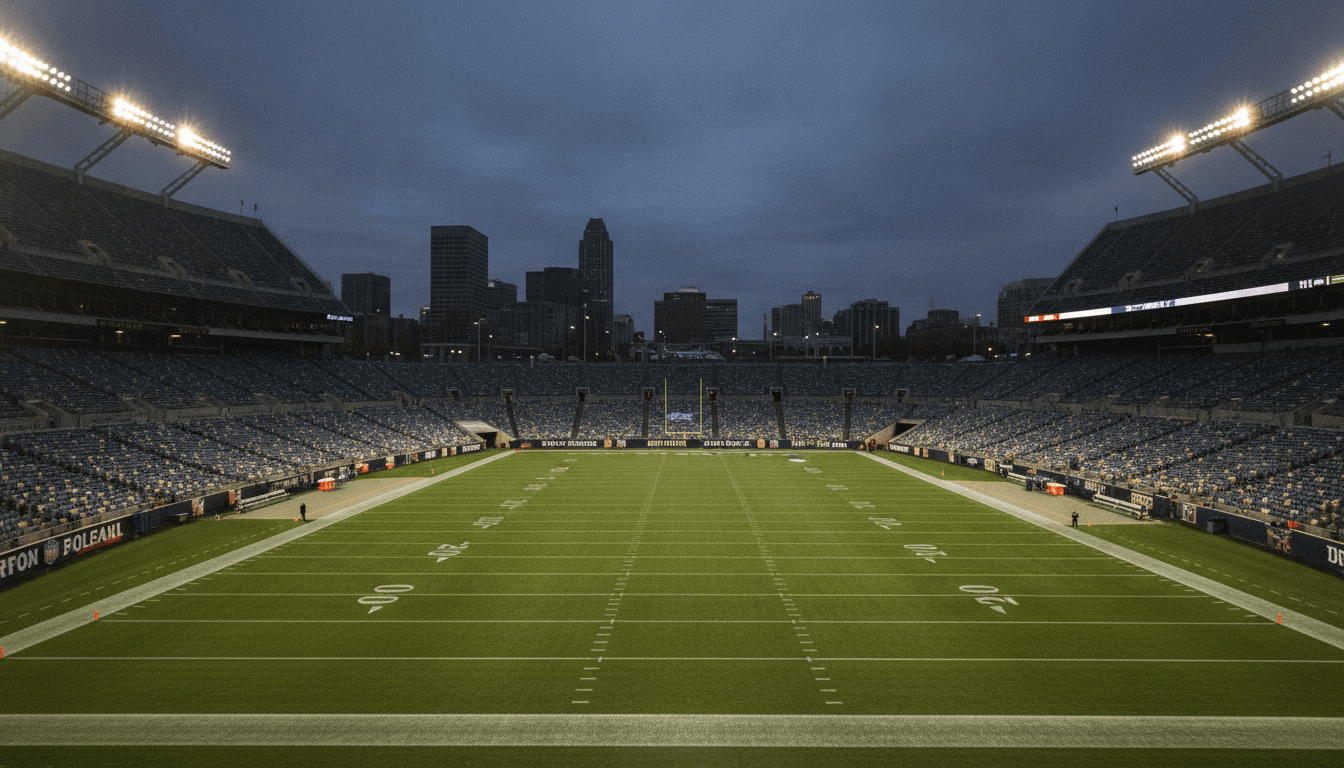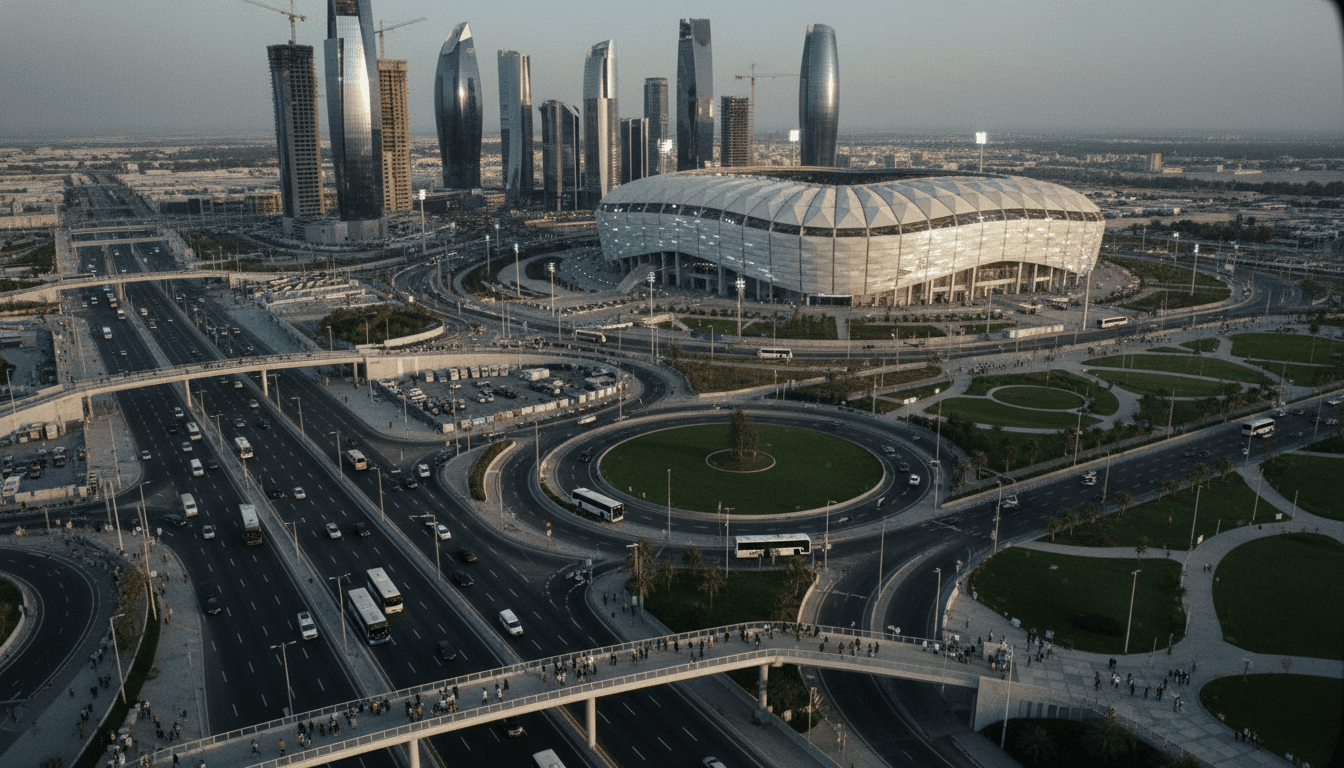
Historic Qatar World Cup spending reached an unprecedented $229 billion, a figure that continues to reverberate through the global sports economy, highlighting the immense financial commitment required to host a mega-event. This staggering sum, reported by surprisesports on Saturday, April 4, 2026, far surpasses initial estimates and previous World Cup budgets, fundamentally reshaping expectations for future host nations and event organizers. The sheer scale of this expenditure raises critical questions about return on investment, national branding, and the sustainable economic model for major international sporting spectacles.
The Financial Scale of Qatar World Cup Spending
The total breakdown of $229 billion for the Qatar World Cup spending reveals a multi-faceted investment strategy aimed at transforming the nation’s infrastructure and global profile. While specific line items for this massive outlay are not detailed in the available information, it is widely understood that such a figure encompasses far more than just stadium construction. It includes the development of new cities, extensive transportation networks (roads, metro systems), hotels, tourism infrastructure, and security apparatus, all built or upgraded specifically for the tournament and its long-term legacy.
The individuals and entities involved in this monumental undertaking primarily center around the Qatari government and its various state-owned enterprises. The Supreme Committee for Delivery & Legacy was the main body overseeing the World Cup projects, working in conjunction with international contractors and consultants. The financial dimensions are staggering, positioning Qatar’s tournament as the most expensive sporting event in history by a significant margin. This level of investment underscores a strategic national ambition to diversify its economy beyond hydrocarbon resources and establish itself as a global hub for business, tourism, and major events.
Market Impact: Reshaping Event Economics
The colossal Qatar World Cup spending has undeniably altered the landscape of sports business. For prospective host nations, particularly those with developing infrastructure, the financial bar has been set incredibly high. It forces a re-evaluation of what is economically feasible and desirable for hosting a World Cup or Olympic Games. This could lead to a polarization in bidding processes, with only the wealthiest nations or multi-nation bids capable of sharing the financial burden, being able to realistically compete.
Valuations of major sporting events may see adjustments. While the prestige of hosting remains high, the cost-benefit analysis becomes increasingly scrutinized. Sponsorship deals and broadcast rights, while lucrative, might struggle to offset such monumental infrastructure costs, especially in smaller economies. This could pressure governing bodies like FIFA to reconsider their hosting requirements or to offer greater financial support to ensure a broader pool of potential hosts. The market for infrastructure development related to sports events, however, has seen a boom, with construction and hospitality sectors benefiting significantly from such large-scale projects.
“The $229 billion expenditure by Qatar isn’t just a number; it’s a paradigm shift in how we perceive the financial undertaking of global sporting events. It raises profound questions about sustainability and accessibility for future hosts.”
Context & Background: A New Era of Sporting Ambition
Prior to Qatar, the most expensive World Cups paled in comparison. Brazil’s 2014 World Cup and Russia’s 2018 tournament, while costly, were in the tens of billions, not hundreds. The decision by FIFA to award the World Cup to Qatar in 2010 was controversial from the outset, facing scrutiny over human rights, climate concerns, and the bidding process itself. However, from a financial perspective, Qatar’s bid represented an unprecedented commitment to building a world-class sporting and tourism infrastructure from the ground up.
This level of investment aligns with a broader trend among Gulf states to leverage sports and mega-events for national branding, economic diversification, and ‘soft power’ projection. Saudi Arabia’s Public Investment Fund, for example, has made significant investments in golf and football, illustrating a regional strategy of using sports as a vehicle for global influence. The Qatar World Cup spending is the most prominent example of this strategy to date, serving as a blueprint – or perhaps a cautionary tale – for other nations with similar ambitions.
What’s Next: The Legacy and Future Bids
The long-term implications of the Qatar World Cup spending will continue to unfold over the next decade. The immediate focus will be on the utilization of the new infrastructure and the return on investment for Qatar. Will the country successfully pivot into a major tourism and business hub? How will the state-of-the-art stadiums be repurposed to maintain their value and utility?
For future World Cup bids, the financial model will be under intense scrutiny. The 2026 World Cup, hosted by the USA, Canada, and Mexico, represents a vastly different approach, leveraging existing infrastructure across multiple, established sporting nations. This collaborative model may become more prevalent, mitigating the singular financial burden seen in Qatar. FIFA will likely face pressure to balance its desire for global expansion with the economic realities faced by potential hosts, particularly in light of the benchmarks set by Qatar’s historic outlay.
Key Takeaway: Redefining Mega-Event Economics
The historic Qatar World Cup spending of $229 billion is more than just a headline figure; it’s a transformative moment for the economics of mega-sporting events. It underscores a new era of national ambition, where host nations are prepared to invest astronomical sums to achieve strategic geopolitical and economic goals. While the immediate impact has been a boom in construction and tourism for Qatar, the long-term implications for future bids, event valuations, and the sustainability of the World Cup model itself are profound. This financial benchmark will compel governing bodies and potential hosts alike to critically assess the true cost and perceived benefits of bringing the world’s biggest sporting spectacle to their shores.