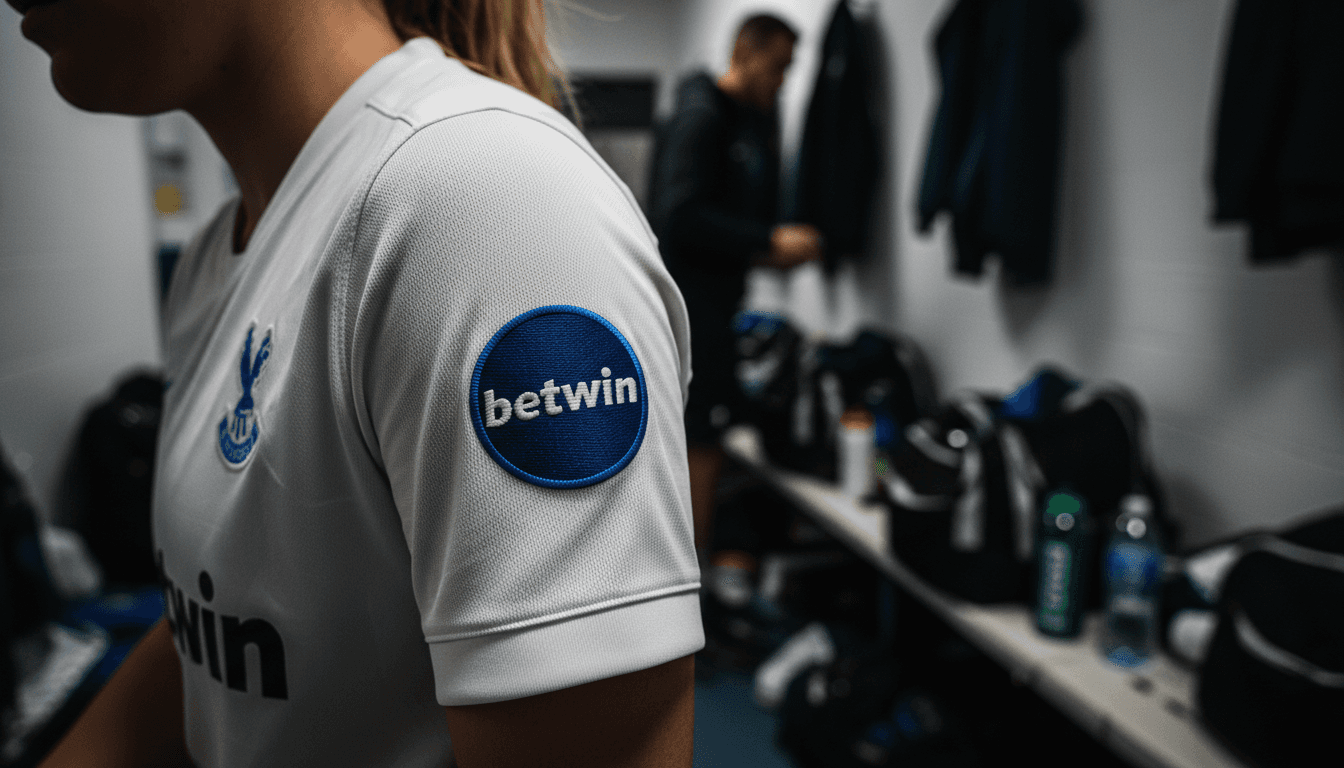
Premier League gambling deals continue to be a significant financial pillar for English top-flight clubs, despite mounting scrutiny from UK regulators and advocacy groups. A recent report from casino.com on Monday, March 23, 2026, highlights that these lucrative partnerships remain firmly in place, underscoring a complex interplay between commercial necessity and evolving social responsibility standards within the world’s most watched football league.
The Enduring Appeal of Betting Sponsorships
The financial lifeline provided by gambling companies to Premier League clubs is substantial. These deals often involve prominent shirt sponsorships, pitchside advertising, and digital marketing campaigns, injecting millions into club coffers annually. For many clubs, particularly those outside the traditional ‘big six,’ these revenues are crucial for player acquisitions, infrastructure development, and maintaining competitiveness in a league where financial disparities are ever-present. The casino.com report underscores that despite the ongoing public and governmental debate surrounding the ethics of such partnerships, the economic imperative for clubs to secure these revenues has not diminished.
The continued prevalence of Premier League gambling deals reflects a broader challenge facing sports organizations globally: balancing commercial growth with increasing calls for ethical considerations. While the UK government has signaled a desire for reform in gambling advertising, concrete legislation that would fully prohibit these sponsorships has yet to materialize, leaving clubs in a state of continued reliance on these income streams. This reliance creates a significant financial dependency that is difficult to unwind quickly without disrupting club finances.
Market Impact and Valuation Concerns
The persistence of Premier League gambling deals has a multifaceted impact on the sports business landscape. For one, it maintains the valuation of sponsorship inventory for clubs, particularly front-of-shirt placements, which are among the most valuable assets a club possesses. A sudden ban on gambling sponsorships would undoubtedly depress these valuations, forcing clubs to seek alternative, potentially less lucrative, partners. This uncertainty can also affect investor confidence and the overall financial health of clubs, especially those with high operational costs and ambitions for European competition.
Moreover, the ongoing debate creates a degree of instability in the sponsorship market. Brands outside the gambling sector may be hesitant to commit to long-term deals if they perceive the industry as being in a state of flux or facing potential future regulatory headwinds. Conversely, gambling companies, aware of the potential for future restrictions, might be incentivized to secure deals now, potentially offering higher short-term values to maximize brand exposure while they still can. This dynamic could lead to inflated short-term deals that are not sustainable in the long run. For a deeper dive into how regulatory changes affect sports sponsorships, read our related sport articles.
“The financial tightrope clubs walk between maximizing revenue and navigating ethical pressures is becoming increasingly narrow, and Premier League gambling deals are at the very heart of this tension.”
Context and Regulatory Background
The scrutiny over Premier League gambling deals is not new. For several years, there has been a growing movement in the UK to address problem gambling, with a particular focus on the visibility of betting advertising in sports. Campaigners and politicians have highlighted concerns about the impact on vulnerable individuals and the normalization of gambling, especially among younger audiences who are avid football fans. The UK Gambling Commission has also been under pressure to review its regulations, and discussions around a potential ‘whistle-to-whistle’ ban on gambling advertising during live sports broadcasts have been ongoing.
Despite these discussions, a voluntary agreement among Premier League clubs to phase out front-of-shirt gambling sponsorships by the end of the 2025/26 season was a significant step. However, this voluntary ban does not extend to other forms of advertising, such as sleeve sponsorships, pitchside hoardings, or digital partnerships, which still represent substantial revenue streams. The casino.com report, dated March 23, 2026, confirms that clubs are indeed continuing with these other forms of gambling sponsorships, demonstrating the limits of the voluntary agreement and the enduring financial ties.
What’s Next for Premier League Gambling Deals?
The future of Premier League gambling deals remains uncertain, primarily contingent on the political will and legislative actions of the UK government. While a complete, immediate ban on all forms of gambling sponsorship seems unlikely given the economic implications for clubs, further restrictions are certainly on the horizon. We could see stricter rules around the content and placement of advertisements, increased levies on betting companies to fund problem gambling support, or even a push for a more comprehensive voluntary agreement that covers all forms of club-level sponsorship.
Clubs will increasingly need to diversify their revenue streams and explore new sponsorship categories to mitigate the risk associated with their reliance on the gambling sector. This might involve tapping into emerging markets, leveraging digital assets more effectively, or forging partnerships with technology and entertainment companies. The industry will be closely watching any developments from the Department for Culture, Media and Sport (DCMS) and the Gambling Commission. For insights into how other leagues are adapting to similar pressures, explore our articles on global sports finance trends.
Key Takeaway
The continued prevalence of Premier League gambling deals, as highlighted by casino.com, is a stark reminder of the complex financial realities underpinning elite sport. While ethical considerations and social responsibility are gaining prominence, the immediate economic needs of clubs ensure that these partnerships, in various forms, persist. This situation forces clubs, leagues, and policymakers to confront difficult questions about the balance between commercial viability and public welfare. The eventual outcome will not only reshape the financial landscape of the Premier League but also set a precedent for how major sports leagues globally navigate similar ethical dilemmas with significant financial implications.