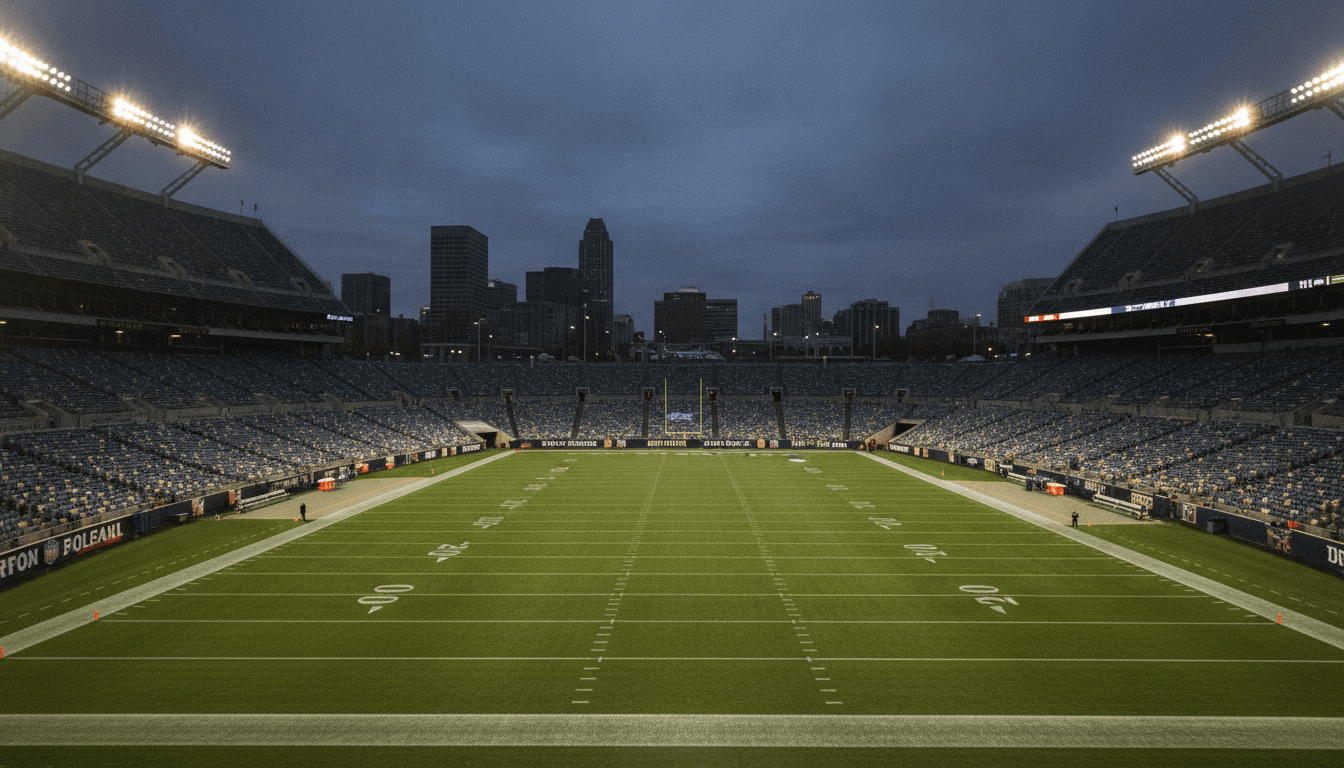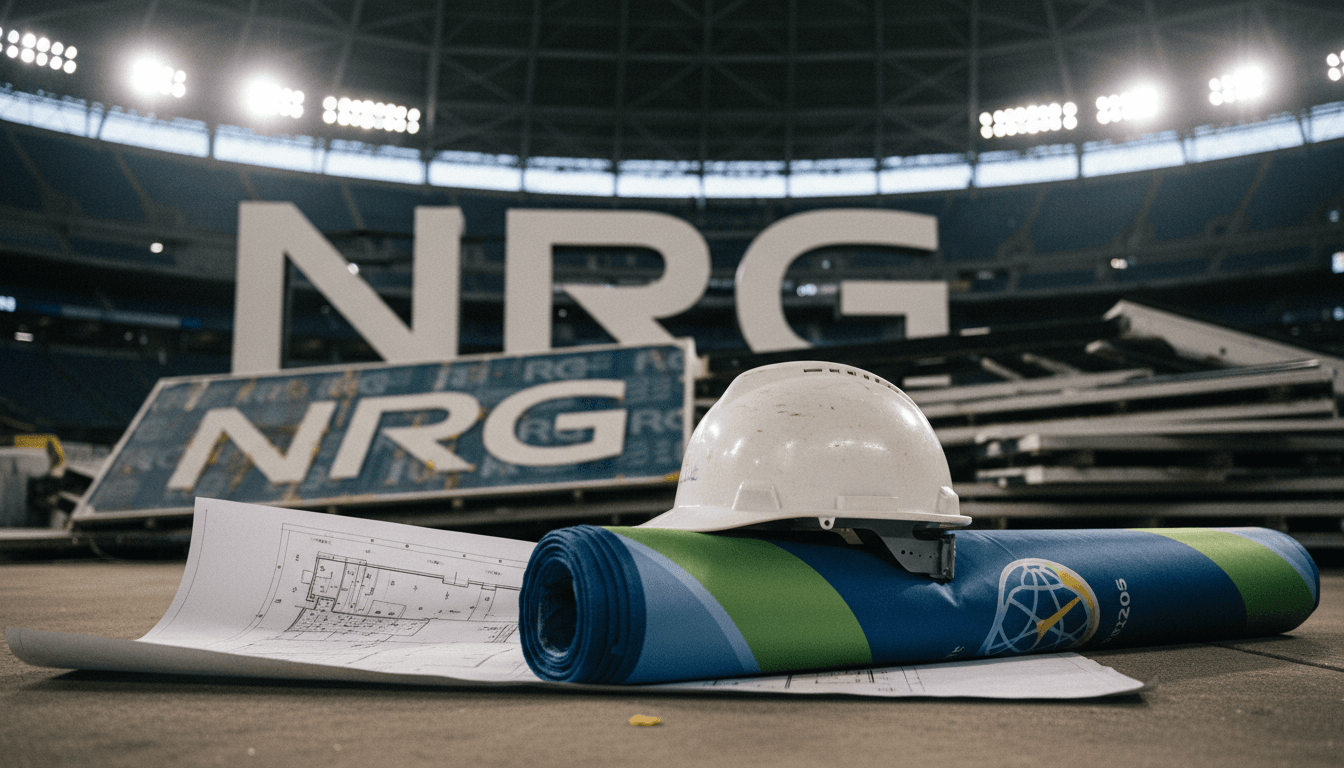
A massive NRG Stadium rebranding is underway, with the Houston venue undergoing a significant $1 million transformation ahead of June’s seven FIFA World Cup matches. This considerable investment underscores the financial stakes and meticulous preparations involved as host cities gear up for one of the world’s most prestigious sporting events.
The Business Impact of NRG Stadium Rebranding
The $1 million rebranding effort at NRG Stadium highlights the substantial financial commitments required from host cities to meet FIFA’s stringent operational and aesthetic standards. This expenditure, reported by ABC13 Houston on Saturday, April 11, 2026, involves a complete overhaul of signage, branding elements, and potentially other cosmetic upgrades to align the venue with the FIFA World Cup aesthetic. For Houston, a city eager to showcase its capabilities on a global stage, this investment is not merely about aesthetics but about securing long-term economic benefits and enhancing its international profile. The financial outlay for the NRG Stadium rebranding will be absorbed by various stakeholders, likely including the host committee, the venue operators, and potentially public funds, reflecting a multi-faceted financial commitment.
This rebrand is a critical component of the broader economic strategy for the World Cup in Houston. Hosting seven matches brings an influx of tourists, media, and international delegations, generating revenue through hospitality, retail, and local services. The $1 million investment is a direct cost but is anticipated to yield significant returns through increased tourism, local job creation, and heightened global visibility for the city. Such a large-scale event often serves as a catalyst for infrastructure improvements, leaving a lasting legacy beyond the tournament itself. The rebranding ensures that NRG Stadium, a key asset, presents a unified, world-class image consistent with the tournament’s global brand.
Market Impact and Valuation
The decision to invest $1 million in rebranding NRG Stadium ahead of the World Cup has ripple effects across the sports business landscape. For stadium operators and owners, it sets a precedent for the level of investment required to host major international events, potentially influencing future bids and partnership negotiations. The enhanced profile of NRG Stadium through this rebranding could also increase its valuation as a premier event venue, attracting more non-soccer events in the future. This kind of investment by host cities also impacts the broader sports real estate market, signaling continued demand for state-of-the-art facilities capable of meeting global event standards.
“The significant financial outlay for rebranding isn’t just about temporary signage; it’s a strategic investment in a venue’s long-term marketability and a city’s global brand equity.”
Moreover, the influx of capital into host cities for events like the World Cup can stimulate local economies, creating opportunities for construction, marketing, and event management firms. The rebranding project itself involves numerous contractors and suppliers, contributing to local employment. This investment also signals confidence in the economic viability of hosting mega-events, potentially encouraging further private and public sector partnerships in sports infrastructure development. You can read more about the financial dynamics of major sports events in our related sport articles.
Context and Industry Trends
The practice of rebranding venues for major international tournaments is not new, but the scale and financial commitment for the 2026 World Cup are particularly noteworthy given the multi-city, multi-nation hosting model. FIFA, like other major sports organizations, demands a consistent brand experience across all venues. This often requires temporary renamings or significant cosmetic changes to remove existing commercial sponsorships that conflict with official tournament partners. The $1 million NRG Stadium rebranding reflects this trend, ensuring that all visual elements within the venue adhere to FIFA’s strict guidelines, creating a seamless brand environment for broadcasters and fans worldwide.
This trend underscores the increasing commercialization of global sports, where brand consistency and presentation are paramount. Host cities and venues are essentially leasing their facilities and, in return, must conform to the tournament organizer’s branding demands. This financial commitment is factored into the broader economic impact assessments that cities undertake when bidding to host such events, balancing the costs against the projected economic benefits and global exposure.
What’s Next for Houston and NRG Stadium?
With the NRG Stadium rebranding well underway and expected to be completed before June, the focus will shift to operational readiness and maximizing the economic benefits of the seven World Cup matches. The successful execution of this rebranding project will be a testament to Houston’s organizational capabilities. Beyond the World Cup, the enhanced profile and upgraded appearance of NRG Stadium could position it favorably for future major sporting events, concerts, and conventions, solidifying its status as a premier venue in North America. The long-term implications for local businesses, from hotels to restaurants, are significant, as the city aims to convert temporary visitors into repeat tourists and business partners. The legacy of the World Cup will extend far beyond the final whistle, with the rebranded stadium serving as a lasting symbol of Houston’s global sporting ambition.
Key Takeaway
The $1 million NRG Stadium rebranding for the 2026 FIFA World Cup is more than a cosmetic upgrade; it’s a strategic financial maneuver by Houston to align with global sporting standards and maximize the economic upside of hosting a mega-event. This investment highlights the significant costs and potential returns involved in attracting and executing major international tournaments, setting a benchmark for future host cities and underscoring the critical interplay between sports, branding, and urban economics.