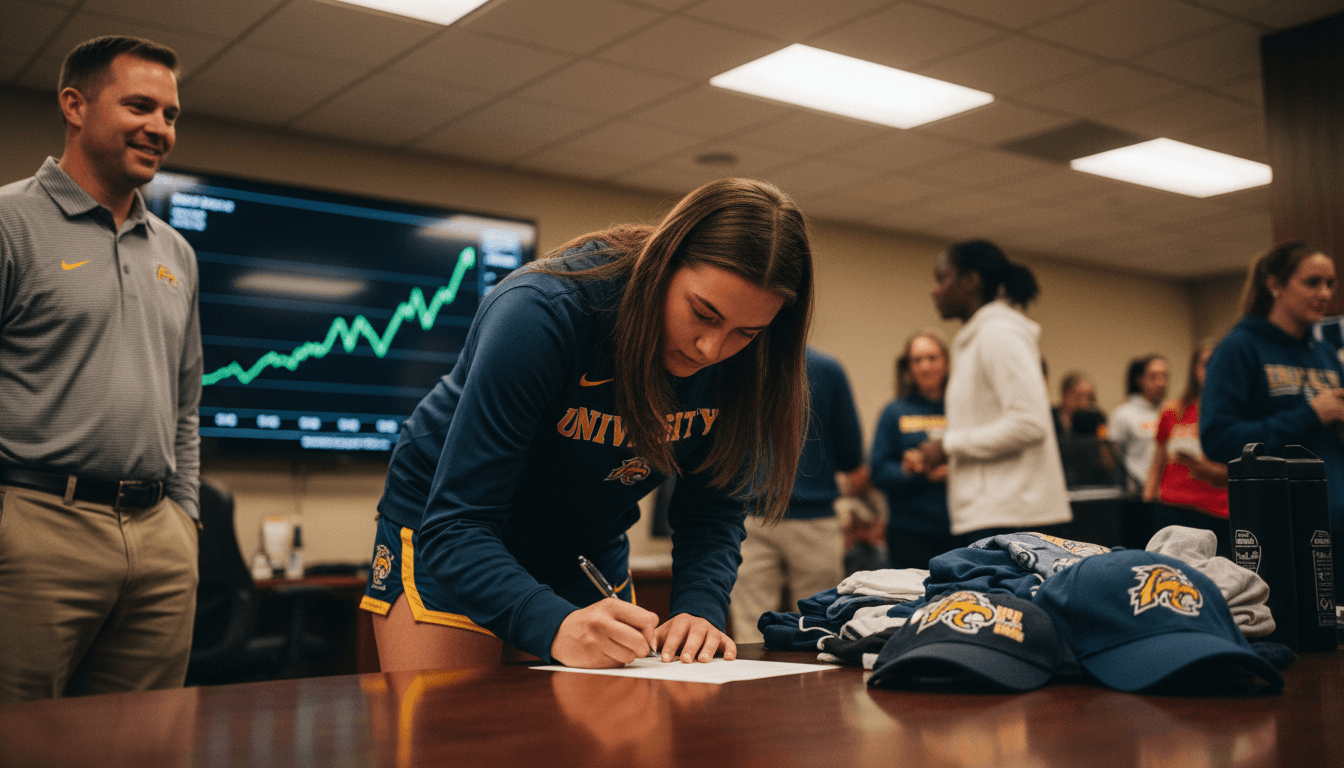
The NIL marketplace has dramatically reshaped the financial landscape of college sports, transforming it into a professional powerhouse now valued at over $1 billion. This seismic shift, highlighted by Altitudes Magazine on Tuesday, April 7, 2026, marks the definitive end of the ‘amateur myth’ and ushers in a new era where student-athletes are direct economic contributors and beneficiaries. The financial implications extend far beyond individual endorsement deals, influencing university athletic budgets, recruiting strategies, and even the broader sports media ecosystem.
The Unprecedented Rise of the NIL Marketplace
The core of this transformation lies in the Name, Image, and Likeness (NIL) legislation, which permits college athletes to monetize their personal brand without jeopardizing their NCAA eligibility. What began as a trickle of individual endorsements has rapidly escalated into a sophisticated, multi-faceted market. Athletes are now securing deals ranging from local sponsorships to national brand partnerships, social media monetization, and even equity stakes in emerging businesses. This allows them to directly profit from their athletic prowess and public profile, a right long enjoyed by professional athletes but denied to their college counterparts.
The Altitudes Magazine report underscores the sheer scale of this evolution, pointing to a marketplace that has surpassed the $1 billion valuation. This figure isn’t merely a sum of individual deals; it reflects the aggregate economic activity generated by athletes, brands, collectives, and supporting agencies. Universities, while not directly paying athletes, are heavily involved through the creation of NIL departments, educational resources, and strategic partnerships designed to maximize opportunities for their student-athletes, thereby enhancing their recruiting appeal.
Market Impact and Valuation Shifts
The emergence of the NIL marketplace has sent ripples through the entire sports business landscape. Valuations of athletic programs are increasingly tied to their ability to facilitate lucrative NIL opportunities. Top-tier recruits, once swayed primarily by coaching staff and facilities, now weigh the potential NIL earnings heavily in their decision-making. This has led to a competitive arms race among universities, with ‘collectives’ – independent organizations often funded by boosters – playing a critical role in pooling resources to secure deals for athletes.
This new economic model impacts everything from media rights negotiations to merchandise sales. Brands are reallocating marketing budgets, recognizing the direct access and influence that college athletes offer to specific demographics. Furthermore, the professionalization of college sports through the NIL marketplace could eventually influence the structure of existing professional leagues, potentially altering draft dynamics and player development pathways. The shift also creates new avenues for investment in sports, as venture capitalists and private equity firms explore opportunities within the burgeoning ecosystem of athlete management, technology platforms facilitating NIL deals, and content creation.
“The $1 billion valuation of the NIL marketplace isn’t just a number; it’s a testament to a fundamental redefinition of amateurism and a powerful new revenue stream within the sports industry,”
a leading sports economist recently commented, highlighting the profound financial implications.
Context and Historical Precedent
For decades, the NCAA’s amateurism rules strictly prohibited athletes from profiting from their name, image, or likeness, despite generating billions in revenue for universities and media partners. This long-standing policy faced increasing legal and public scrutiny, culminating in the Supreme Court’s Alston v. NCAA decision in 2021, which paved the way for states to implement NIL laws. The subsequent patchwork of state laws and the NCAA’s eventual adoption of an interim NIL policy unleashed this professional marketplace.
Before NIL, the only path to significant financial gain for college athletes was through a professional career after graduation. Now, athletes can build personal brands and accumulate wealth during their collegiate tenure, fundamentally altering their financial trajectories and career options. This shift echoes historical moments in professional sports where athletes fought for and gained greater economic rights, such as free agency or increased shares of league revenues.
What’s Next for the NIL Marketplace
The future of the NIL marketplace is poised for further evolution and, likely, increased regulation. Discussions around a unified federal NIL law continue, aiming to standardize rules across states and provide greater clarity and fairness. The ongoing debate includes issues such as transparency in NIL deals, the role of universities in facilitating agreements, and potential guardrails to prevent exploitation or undue influence.
We can expect to see consolidation among NIL collectives, the emergence of more sophisticated athlete management agencies specializing in college sports, and continued innovation in how athletes leverage their brands. The financial stakes are only growing, making the need for robust legal frameworks and ethical guidelines paramount. Universities will also need to adapt their business models, integrating NIL opportunities more formally into their athletic departments and broader institutional strategies. The trajectory suggests continued growth, potentially pushing the NIL marketplace to even higher valuations in the coming years.
The transformation of college sports into a professional marketplace, driven by NIL deals, represents one of the most significant financial shifts in modern sports history. The $1 billion valuation is not merely a milestone; it’s a clear signal that the economic power balance has irrevocably shifted towards the athletes. This new era demands a sophisticated understanding of brand management, market dynamics, and regulatory landscapes from all stakeholders, from athletes and universities to brands and investors. The amateur myth is indeed dead, replaced by a vibrant, complex, and highly lucrative professional ecosystem that will continue to redefine the economics of sports for decades to come.