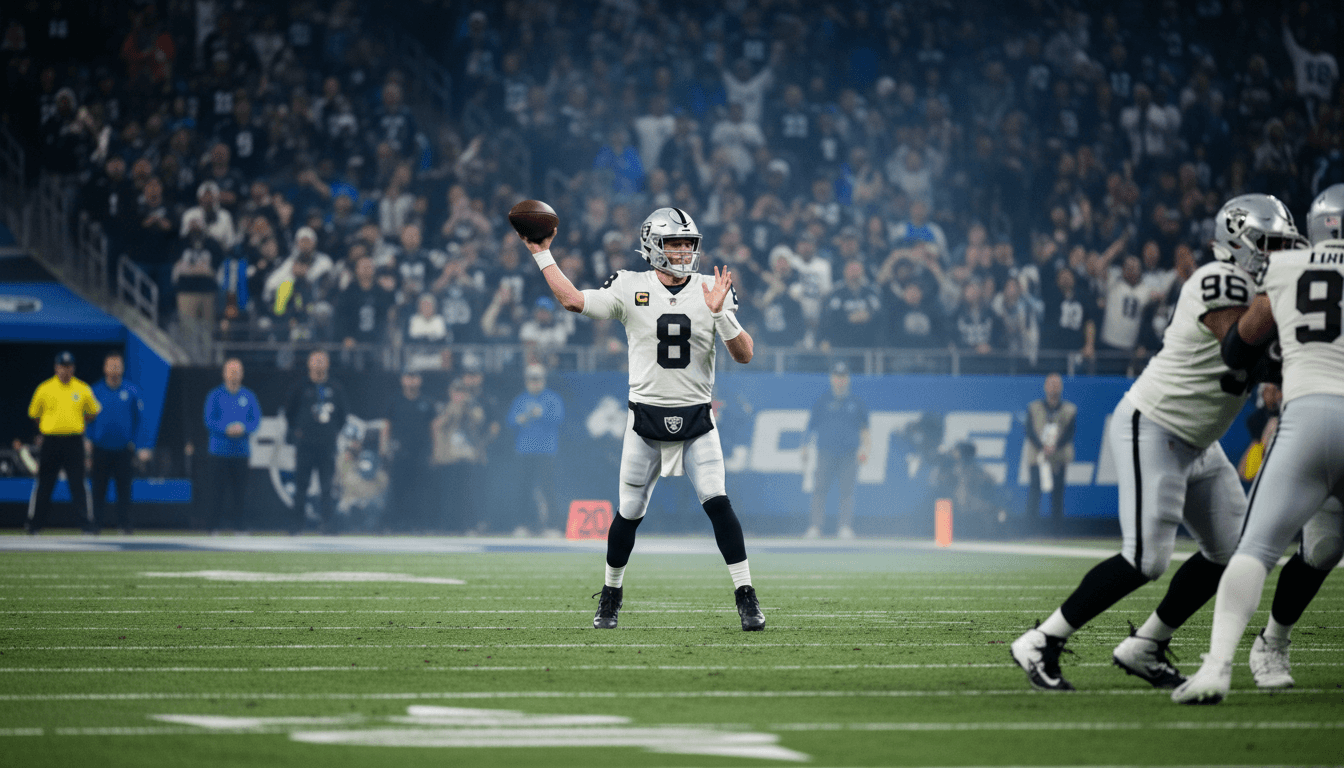
The blockbuster Kirk Cousins contract, a staggering five-year, $172 million deal, dramatically redefines the financial landscape for the Las Vegas Raiders and sends significant ripples through the NFL’s quarterback market. Announced on Friday, April 3, 2026, this massive investment in a veteran signal-caller underscores the Raiders’ aggressive pursuit of immediate competitiveness and their willingness to commit substantial capital to achieve it.
This unprecedented signing sees Kirk Cousins, a seasoned quarterback, join the Raiders for a term that solidifies his position as one of the league’s highest-paid players. The $172 million valuation over five years reflects not only his on-field production but also the escalating price of elite (or near-elite) quarterback talent in the modern NFL. For the Raiders, this is more than just a player acquisition; it’s a strategic financial maneuver designed to stabilize their most critical position and, by extension, their entire franchise trajectory. The sheer scale of the Kirk Cousins contract will undoubtedly impact their salary cap management for years to come, necessitating shrewd decisions in other areas of team building.
The Business Impact of the Kirk Cousins Contract
The financial implications of this deal extend far beyond the Raiders’ balance sheet. This Kirk Cousins contract sets a new benchmark for quarterback valuations, particularly for players in their mid-30s. It signals a continued upward trend in player salaries, fueled by ever-increasing league revenues from media rights, sponsorships, and gate receipts. Other teams currently negotiating with their franchise quarterbacks, or those contemplating future acquisitions, will now have to factor in this latest figure. The deal will likely influence upcoming contract negotiations for other quarterbacks, potentially driving up asking prices across the board. Furthermore, the long-term commitment reflects a shift in how teams perceive the value of veteran leadership and proven performance, even at a higher cost.
Market Dynamics and Industry Trends
The NFL’s quarterback market has been consistently volatile, with each major deal seemingly eclipsing the last. The Kirk Cousins contract is a prime example of this inflationary trend. Historically, teams have been hesitant to offer such lengthy and lucrative deals to quarterbacks approaching the latter stages of their careers. However, the scarcity of truly game-changing talent at the position, coupled with the immense financial upside of fielding a competitive team, has forced franchises to reassess their risk tolerance. This deal also highlights the continued premium placed on quarterback stability, a factor that often correlates directly with franchise profitability and fan engagement. Related sport articles often discuss how quarterback play directly impacts team revenue streams, from ticket sales to merchandise. This latest agreement underscores that fundamental truth.
What’s Next for the Raiders and the League?
With the Kirk Cousins contract now on the books, the Raiders’ immediate focus will shift to building a complementary roster around their new quarterback. The significant cap space allocated to Cousins means the team will need to be particularly efficient in drafting and developing talent, as well as making cost-effective free-agent signings. For the rest of the league, this deal will serve as a talking point in every front office. Will other teams follow suit and offer similar deals to veteran quarterbacks, or will some opt for a more cost-controlled approach through the draft? The answer will shape the competitive landscape for years to come.
“The Kirk Cousins contract is a bold statement from the Raiders, signaling their intent to compete now and their belief that stability at quarterback is the ultimate accelerant for franchise value.”
The financial architecture of the NFL continues to evolve, and this latest agreement is a powerful indicator of where the market is headed. It reinforces the idea that in a league driven by quarterback play, the cost of securing top-tier talent will only continue to rise, forcing teams to make difficult but necessary financial commitments.