The newly christened Gucci Racing Alpine F1 Team has secured a landmark title sponsorship deal, estimated to be worth upwards of $150 million over the coming years, marking a significant financial injection and a strategic shift for both the luxury brand and the Formula 1 outfit. Announced in Paris on Wednesday, this unprecedented partnership sees Gucci become the first luxury fashion house to assume title partner status in F1, underscoring the sport’s burgeoning appeal and its evolving demographic.
The financial scale of the Gucci Racing Alpine F1 Team deal is substantial, providing Alpine with a robust foundation as it aims to return to competitive glory. Executive director Flavio Briatore, a figure synonymous with merging fashion and F1 success from his Benetton days, is clearly leveraging this financial muscle to drive performance. This deal not only bolsters Alpine’s balance sheet but also positions the team uniquely within the paddock, promising a radical transformation of its visual identity and operational aesthetics.
The Business Impact of Gucci Racing Alpine F1 Team
The financial implications of this partnership extend far beyond the direct monetary value. Gucci’s commitment includes the creation of an entirely new brand platform, ‘Gucci Racing,’ complete with a global logo and a dedicated product line. This strategic move aims to fully capitalize on its F1 involvement, promising extensive brand activations at every race. Alpine CEO Philippe Krief highlighted that a significant portion of Alpine’s F1 budget will now be covered by Gucci, reducing the onus on Alpine to fund shortfalls and freeing up resources for performance-driven investments.
Beyond the direct financial benefit, the partnership is expected to influence Alpine’s broader business strategy. Krief noted opportunities for limited edition co-branded models and invaluable lessons in luxury market personalization and exclusivity from Gucci. This cross-pollination of expertise could prove crucial as Alpine seeks to sell cars that people desire rather than merely need, mirroring Gucci’s market approach.
“Our job is to make the car competitive. It’s as simple as that. If you don’t have the car competitive then whatever press conference you are doing, it will only be an excuse. We don’t want excuses. We want to be competitive.”
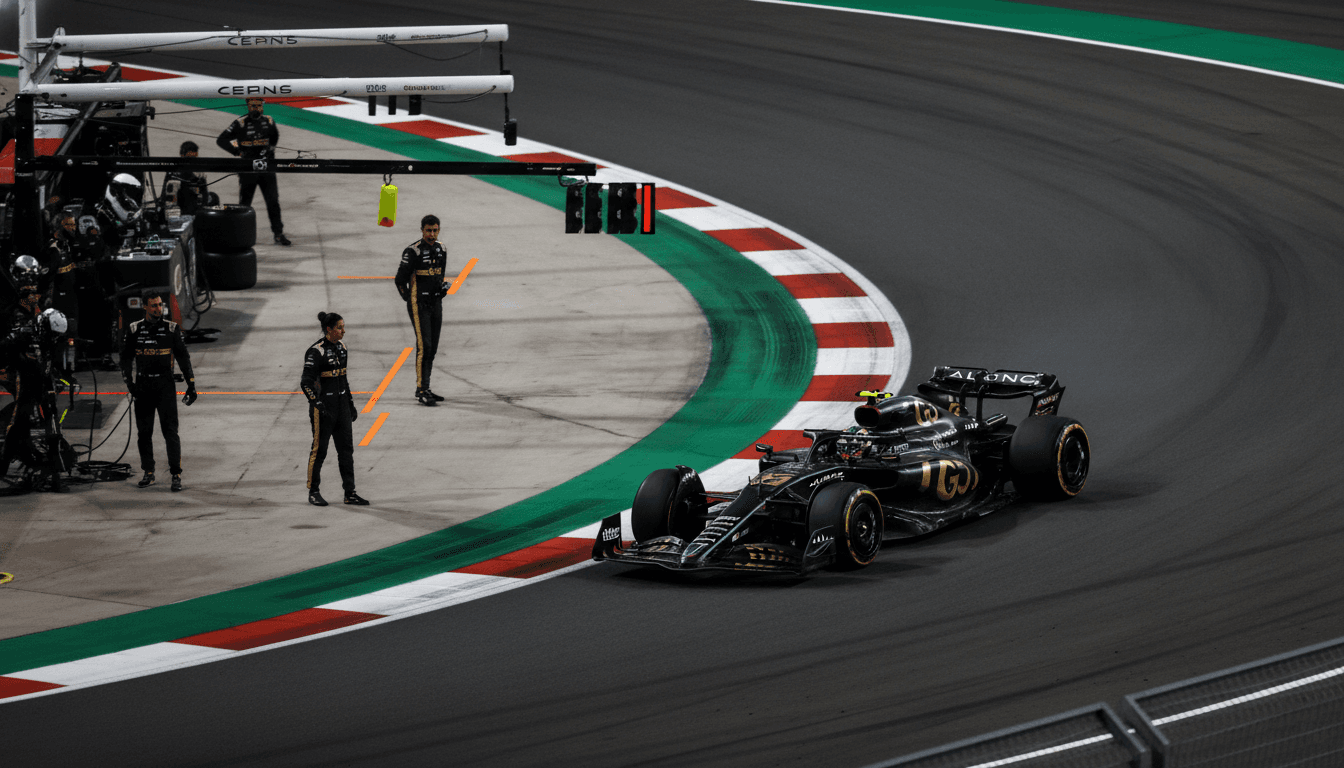
The visual transformation will be immediate and striking. The familiar pink livery, a mainstay since BWT’s title sponsorship in 2022, will give way to Gucci’s iconic black and gold colors, featuring the prominent ‘G’ logo across the A527 car. While Alpine’s corporate blue will retain a minor presence, the overall aesthetic will be distinctly Gucci. This rebranding extends to personnel, with Gucci designing performance products for mechanics and bespoke driver overalls, ensuring Alpine’s pit lane presence will be as stylish as it is functional, under the creative direction of Demna.
Market Impact and Industry Trends
This luxury brand foray into F1 title sponsorship is a significant market signal. It validates the sport’s growing commercial appeal, particularly its ability to attract a younger, more diverse audience. Gucci’s analysis indicates the average F1 fan age has dropped to 32, with half of new fans being female. This demographic shift is incredibly attractive to luxury brands like Gucci, which boast nearly $12 billion in annual revenue and over 500 stores globally, yet still see value in F1’s evolving reach.
For Alpine, this alignment with Gucci is not just about funding; it’s about strategic market positioning. Krief emphasized that females influence over 70% of car purchases, making F1’s expanding female fanbase critical for Alpine’s brand development and product sales. This partnership could set a precedent, encouraging other high-end brands to explore similar deep integrations within sports, further escalating sponsorship valuations.
Briatore’s Vision and Future Prospects
Flavio Briatore, a key architect of this deal, is clear that while the $150 million injection is vital, financial stability alone won’t guarantee victories. He candidly stated the team is “missing half a second” in performance and needs “better quality people” with experience. Plans are underway for a significant upgrade in Barcelona to address current car instability, but Briatore is also actively seeking senior personnel to strengthen the Enstone factory.
Speculation continues regarding the 24% stake in Alpine currently held by Otro Capital. While interest has reportedly come from Mercedes and former Red Bull boss Christian Horner, Briatore’s preference for experienced leaders hints at a specific profile. The controversy surrounding team co-ownership, partly triggered by Zak Brown’s letter to the FIA, could complicate a Mercedes deal, potentially leaning Alpine towards an individual like Horner. Regardless of the outcome of the Otro sale, which Krief insists will remain a minority stake, the Gucci partnership significantly enhances Alpine’s attractiveness to potential investors and top talent, reinforcing the long-term commitment of the Alpine brand to F1.
Key Takeaway for the Sports Industry
The Gucci Racing Alpine F1 Team deal is more than just a sponsorship; it’s a paradigm shift in sports marketing. It demonstrates Formula 1’s unparalleled ability to attract diverse, high-value audiences, making it an irresistible platform for even the most established global brands. This partnership underscores a growing trend of brands seeking deeper, more integrated engagements with sports properties, moving beyond mere logo placement to co-creation and strategic alignment. For the sports industry, it signals a new era where luxury, performance, and evolving demographics converge to redefine commercial partnerships and elevate the fan experience.