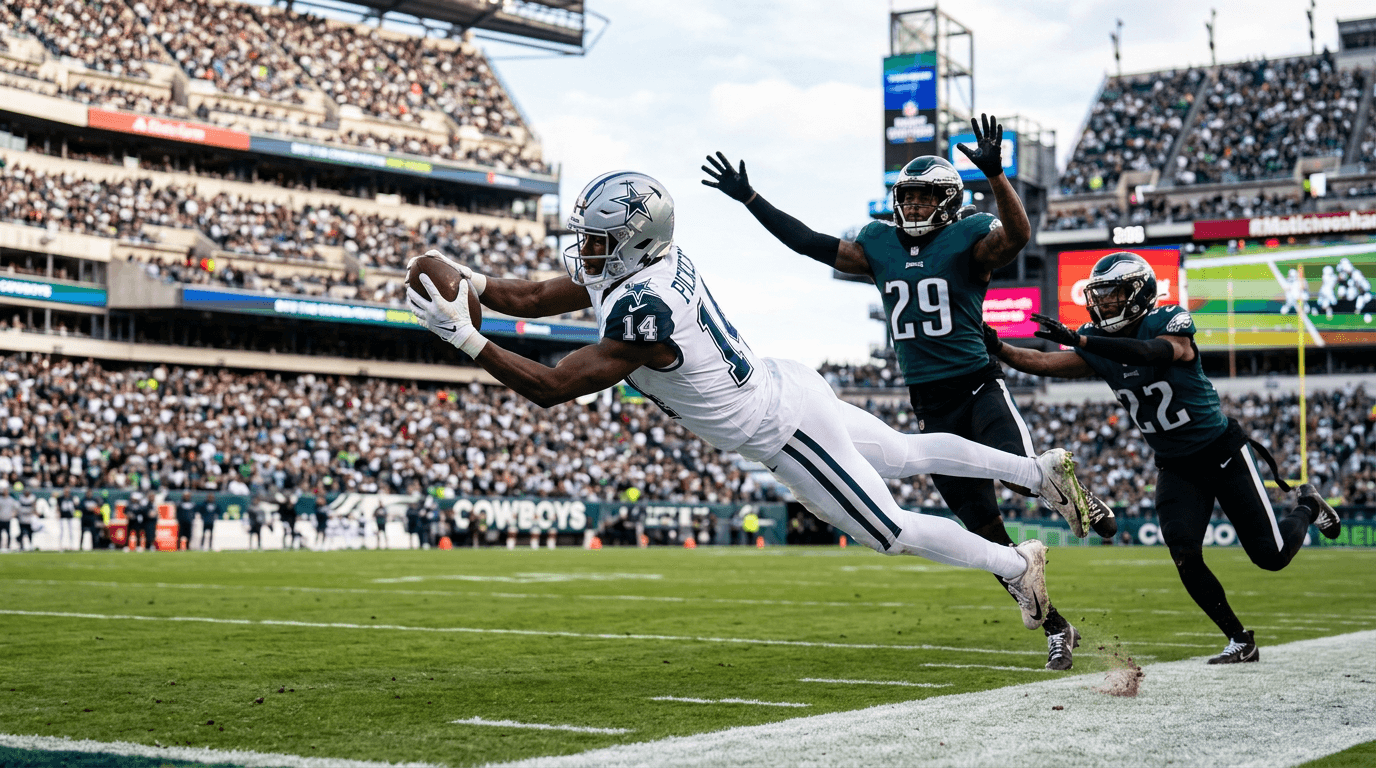
The George Pickens franchise tag, valued at a stunning $28 million, is officially being applied by the Dallas Cowboys today, Wednesday, March 11, 2026. This monumental decision reverberates through the NFL’s financial landscape, solidifying a significant commitment to one of the league’s premier pass-catchers while posing intriguing questions about the Cowboys’ broader salary cap strategy and future roster construction. For a team perennially under the microscope, this move is not merely a player retention tactic but a definitive financial statement.
The Business Impact of George Pickens Franchise Tag
The core of this story is the financial commitment: $28 million guaranteed for the 2026 season. This figure represents the calculated average of the top five salaries at Pickens’ position (likely wide receiver, given his profile) over the past five years, or 120% of his previous year’s salary, whichever is higher. For the Cowboys, it means allocating a substantial portion of their salary cap to a single player, ensuring his services for at least one more season without the long-term commitment of a multi-year deal. However, it also means foregoing the flexibility that a traditional contract negotiation might offer, particularly if the team was hoping for a lower annual average or more cap-friendly structure.
This move impacts not only Pickens’ individual earnings but also the team’s ability to pursue other high-profile free agents or extend existing players. Every dollar allocated to the George Pickens franchise tag is a dollar less available for other roster needs. It’s a calculated risk, betting on Pickens’ continued elite performance to justify the premium one-year cost. The immediate financial impact is clear: $28 million hits the books, signaling a ‘win now’ mentality for the franchise.
“The franchise tag is a powerful, yet double-edged sword. It guarantees elite talent for a season, but it often comes at a premium, creating significant cap implications that demand astute financial management from the front office.”
Market Impact and Future Valuations
The George Pickens franchise tag sets a new benchmark in the wide receiver market. While it’s a one-year deal, the sheer magnitude of the $28 million figure will undoubtedly influence future contract negotiations for other top-tier receivers across the league. Agents will point to this number as a baseline for their clients’ market value, particularly for those approaching free agency or seeking extensions. This upward pressure on player salaries is a consistent trend in professional sports, driven by increasing league revenues and a competitive player market.
For other teams, this move by the Cowboys will be closely watched. It could prompt rivals to accelerate their own contract talks with key players, fearing similar franchise tag figures in the future. Furthermore, it highlights the increasing difficulty for teams to retain elite talent without significant financial outlay, often leading to tough decisions about which players to prioritize.
Context and Background: The Franchise Tag Landscape
The franchise tag mechanism has been a contentious but integral part of NFL collective bargaining agreements for decades. It allows teams to retain a key player for one year by offering a salary based on the average of the top five salaries at that position. Historically, it has been used as a stop-gap measure to either buy time for a long-term deal to be negotiated or to prevent a player from hitting the open market. However, with player salaries escalating, the financial implications of using the tag have become increasingly significant.
Previous seasons have seen similar high-value tags applied to quarterbacks, defensive ends, and other skill positions, consistently pushing the ceiling for guaranteed one-year salaries. The Cowboys themselves have a history of navigating complex cap situations, often employing creative contract structures to manage their payroll. This decision regarding Pickens aligns with a broader industry trend where elite talent, particularly at high-impact positions like wide receiver, commands top dollar, often forcing teams into these high-stakes, short-term commitments.
What’s Next for the Cowboys and Pickens
The immediate future sees Pickens playing the 2026 season under the $28 million tag. However, the long-term implications are far more intricate. Will the Cowboys attempt to negotiate a multi-year extension with Pickens before the July deadline for tagged players? Or is this a ‘prove it’ year, with the team assessing his continued value before committing further? A long-term deal would likely feature an even higher total value, albeit spread out over several years, potentially lowering the immediate cap hit through signing bonuses.
Should no long-term deal materialize, Pickens would be eligible for free agency again in 2027, potentially facing another tag (at 120% of his 2026 salary, making it even more expensive) or the open market. This decision will also influence the Cowboys’ draft strategy and how they approach other pending free agents. Their financial flexibility for the next few seasons will be significantly shaped by whether this $28 million commitment remains a one-off or evolves into a more extensive, multi-year investment.
Key Takeaway: High Stakes in Dallas
The George Pickens franchise tag is a clear signal of the Dallas Cowboys’ aggressive strategy to maintain a championship-contending roster, even if it comes with a substantial financial outlay. This $28 million commitment underscores the escalating value of elite talent in the NFL and will have ripple effects across player valuations and team salary cap management for years to come. It’s a bold move that firmly places the financial spotlight on Arlington, setting a new precedent for receiver compensation and intensifying the pressure on both the player and the franchise to deliver on the field.