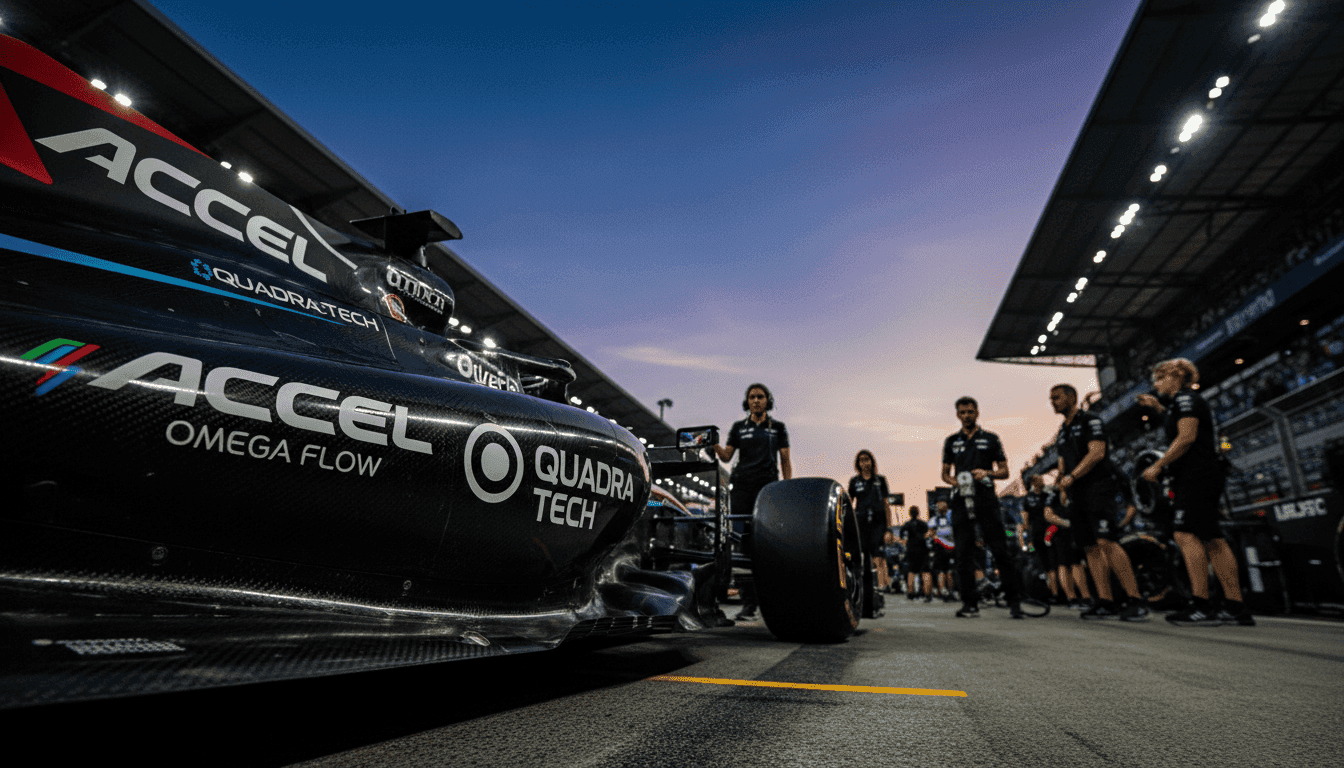
Formula 1 sponsorship just crossed $3 billion, a significant milestone that underscores the sport’s burgeoning commercial appeal and its position as a global marketing powerhouse. This financial achievement, reported on Saturday, May 9, 2026, by RTR Sports Marketing, highlights a robust growth trajectory for F1’s commercial partnerships, extending beyond traditional advertising into sophisticated brand integrations and fan engagement strategies.
The Business Impact of F1 Sponsorship
The crossing of the $3 billion threshold for annual F1 sponsorship revenue marks a pivotal moment for the sport. This figure represents the collective investment from a diverse portfolio of global brands, ranging from automotive and technology giants to consumer goods and financial services. The financial injection not only bolsters the individual teams but also contributes significantly to the overall health and expansion initiatives of Formula 1 as a global entity. This substantial revenue stream allows for continued investment in research and development, event infrastructure, and fan experience enhancements, all of which are critical for sustaining F1’s competitive edge and audience growth.
The sheer scale of this F1 sponsorship figure reflects the sport’s unique appeal: a blend of high-octane action, cutting-edge technology, and a glamorous global circuit. Companies are increasingly recognizing the value of aligning with F1’s prestige and its expanding reach, particularly into new markets and younger demographics. The sport’s ability to deliver a premium, high-visibility platform for brands has made it an indispensable component of many global marketing budgets.
“The consistent growth in F1 sponsorship demonstrates a clear return on investment for brands leveraging the sport’s global platform and its increasingly diverse fanbase.”
Market Impact and Valuations
This surge in Formula 1 sponsorship revenue has considerable ripple effects across the sports business landscape. It signals a strong appetite for premium global sports properties and is likely to influence valuations for other major leagues and events. For F1 teams, enhanced sponsorship income translates directly into increased operational budgets, allowing for greater investment in car development, driver talent, and team personnel. This can intensify competition on the track, potentially leading to more unpredictable and exciting races, which in turn further enhances the sport’s appeal to sponsors and broadcasters.
Furthermore, the success of Formula 1 sponsorship serves as a benchmark for other sports seeking to globalize their appeal and diversify their revenue streams. The sophisticated data analytics and fan engagement strategies employed by F1 and its partners provide a blueprint for maximizing commercial value in an increasingly competitive sports entertainment market. The sport’s ability to attract and retain high-value partners, even amidst fluctuating global economic conditions, speaks to its fundamental strength as a marketing platform. Related sport articles often highlight the growing importance of diversified revenue streams for major leagues.
Context and Background: A Trajectory of Growth
The journey to over $3 billion in F1 sponsorship has been a steady climb, punctuated by strategic expansions and a deliberate effort to broaden the sport’s appeal. In recent years, Formula 1 has successfully cultivated new fan bases through initiatives like popular docuseries and increased digital engagement, particularly in markets like the United States. This expansion has made F1 an even more attractive proposition for multinational corporations looking for global reach and targeted demographic penetration.
Historically, F1 sponsorship has been a cornerstone of team finances, but the recent acceleration in growth is noteworthy. This period has seen a move beyond simple logo placement to more integrated partnerships that involve technology transfer, sustainability initiatives, and shared content creation. These deeper engagements offer more meaningful brand storytelling opportunities, justifying the increased financial commitments from sponsors.
What’s Next for Formula 1 Sponsorship?
Looking ahead, the trajectory for Formula 1 sponsorship appears robust. With new regulations on the horizon, including those aimed at promoting sustainability and cost control, the sport is positioning itself for continued relevance and growth. The entry of new engine manufacturers and the potential for expansion into additional global markets could further drive up the value of F1’s commercial rights and sponsorship packages.
Industry analysts predict that the sport will continue to attract premium brands seeking association with innovation, performance, and global luxury. The focus will likely shift towards even more personalized fan experiences and data-driven marketing, offering sponsors sophisticated tools to measure and optimize their investments. Expect to see continued innovation in how F1 leverages its digital platforms and event experiences to deliver value for its commercial partners.
Key Takeaway: A New Era of Commercial Dominance
The fact that Formula 1 sponsorship has surpassed the $3 billion mark is more than just a headline figure; it signifies a new era of commercial dominance for the sport. This financial milestone reflects F1’s success in cultivating a global, engaged audience and providing an unparalleled platform for brand visibility and strategic partnerships. For the wider sports industry, it serves as a powerful testament to the enduring value of premium live sports content and the sophisticated strategies required to monetize it effectively in the 21st century. This robust financial health ensures F1’s capacity for continued innovation and global expansion, solidifying its position as a leading force in sports and entertainment.