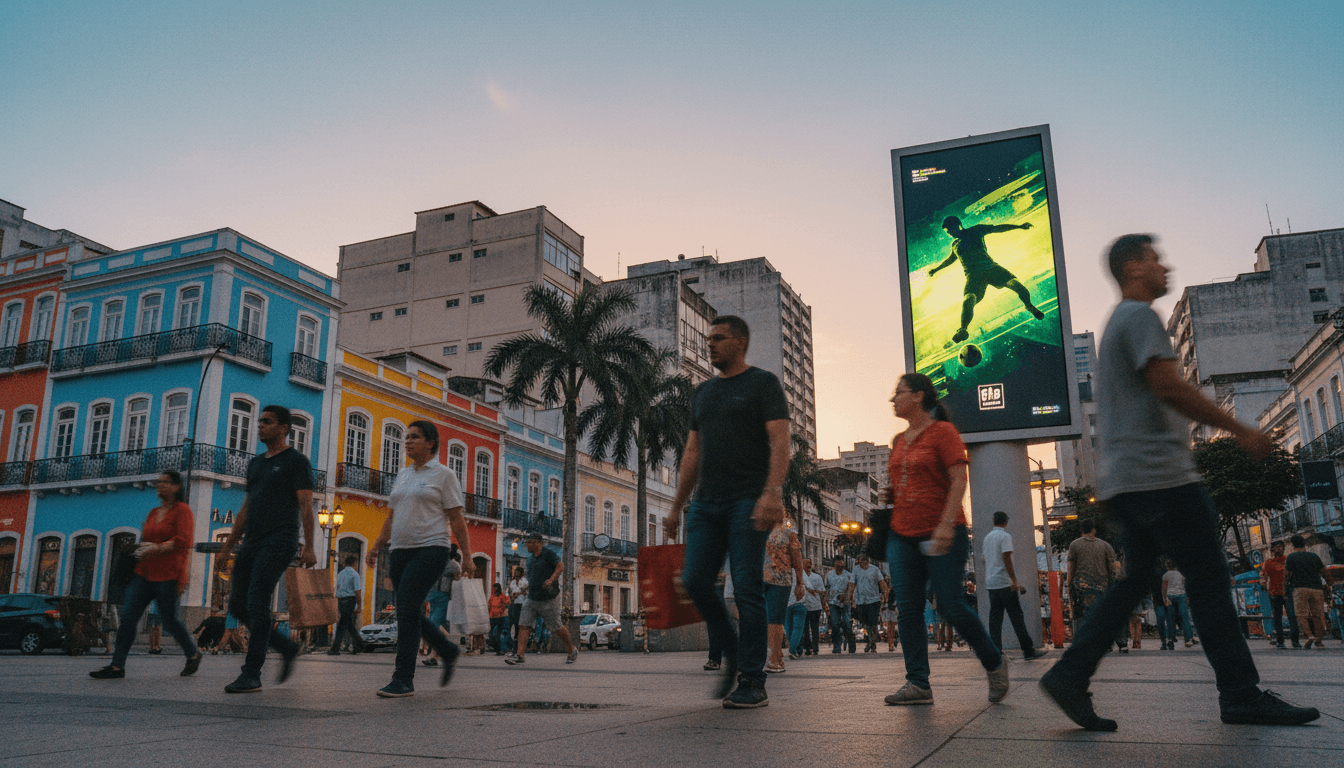
The Brazil betting market expansion is accelerating at a remarkable pace, driven by evolving regulatory frameworks and significant revenue growth, creating a powerful new frontier for global sports betting operators and a complex challenge for policymakers. As of Monday, March 30, 2026, the South American giant is solidifying its position as a burgeoning hub for iGaming, attracting considerable investment and sparking intense political debate over its long-term implications for the nation’s economy and social fabric.
This burgeoning market represents a critical strategic play for international gambling firms seeking new growth avenues beyond saturated European and North American markets. The sheer scale of Brazil’s population and its fervent sports culture, particularly football, make it an irresistible target. The financial dimensions are staggering; early indicators suggest a multi-billion dollar industry on the horizon, promising substantial tax revenues for the Brazilian government, a key point in the ongoing political discussions.
The Business Impact of Brazil Betting Market Expansion
The Brazil betting market expansion is fundamentally reshaping the Latin American sports business landscape. League valuations, particularly for the Campeonato Brasileiro Série A, are poised for significant uplifts as new sponsorship deals from betting companies flood in. This influx of capital extends beyond direct team and league sponsorships; it’s also fueling investments in sports media rights, data analytics, and fan engagement platforms. Operators are aggressively pursuing partnerships, signaling a robust M&A environment within the sector as companies vie for market share and local expertise.
The economic ripple effect is profound. Beyond direct revenue, the industry is creating thousands of jobs in technology, marketing, compliance, and customer service. For sports organizations, the increased revenue streams offer opportunities to invest in infrastructure, youth development, and player retention, potentially elevating the overall quality and competitiveness of Brazilian sports on a global stage. However, this growth isn’t without its complexities, as regulatory compliance and responsible gaming initiatives become paramount for sustainable development.
“The sheer size and passion of the Brazilian sports fan base make this market an unparalleled opportunity, but also demand a meticulously crafted regulatory environment to ensure long-term stability and social responsibility.”
Historically, Brazil has grappled with the legalization of gambling, with a complex patchwork of laws and a significant black market. The current drive towards comprehensive regulation, while still facing political hurdles, aims to bring this lucrative industry into the formal economy. Previous attempts at regulation often stalled due to legislative gridlock and moral objections. However, the potential for substantial tax revenue, particularly in a nation seeking economic diversification, has proven to be a powerful motivator for progress.
The global trend of sports betting legalization, seen across various U.S. states and European nations, has provided a blueprint, albeit one that needs significant adaptation for the unique Brazilian context. Industry giants like Bet365, Flutter Entertainment, and Entain are closely monitoring developments, with many already establishing a preliminary presence through marketing and strategic alliances, anticipating a fully regulated and open market. The competitive landscape is heating up, with both international powerhouses and agile local startups vying for position.
What’s Next for Brazilian iGaming
The immediate future hinges on the ongoing political debate and the finalization of the regulatory framework. Key legislative decisions are expected to clarify licensing procedures, tax rates, and advertising guidelines. These decisions will dictate the pace and structure of further investment. We anticipate a surge in new market entrants once the regulatory certainty is established, leading to a highly competitive consumer environment characterized by aggressive marketing and innovative product offerings. The integration of responsible gaming measures will be crucial, with regulators and operators needing to collaborate to prevent potential social harms.
Moreover, the expansion is likely to influence broader economic policy, potentially setting precedents for other industries in Brazil seeking modernization and formalization. The success of the regulated betting market could serve as a case study for attracting foreign direct investment into other sectors. The interaction between federal and state-level regulations will also be a critical area to watch, as different jurisdictions may seek to impose their own rules, creating a complex operating environment for businesses.
The Brazil betting market expansion is more than just a financial opportunity; it represents a pivotal moment for the nation’s engagement with the global sports economy. Its successful integration into the regulated landscape will not only unlock significant revenue streams but also elevate the profile of Brazilian sports, offering a new model for economic growth tied to the passion of its people. This development underscores the increasing financialization of global sports, where once niche activities become multi-billion dollar industries driving significant economic and social change. The implications for sports finance, from club valuations to media rights, are profound and will be closely watched by investors and industry stakeholders worldwide.