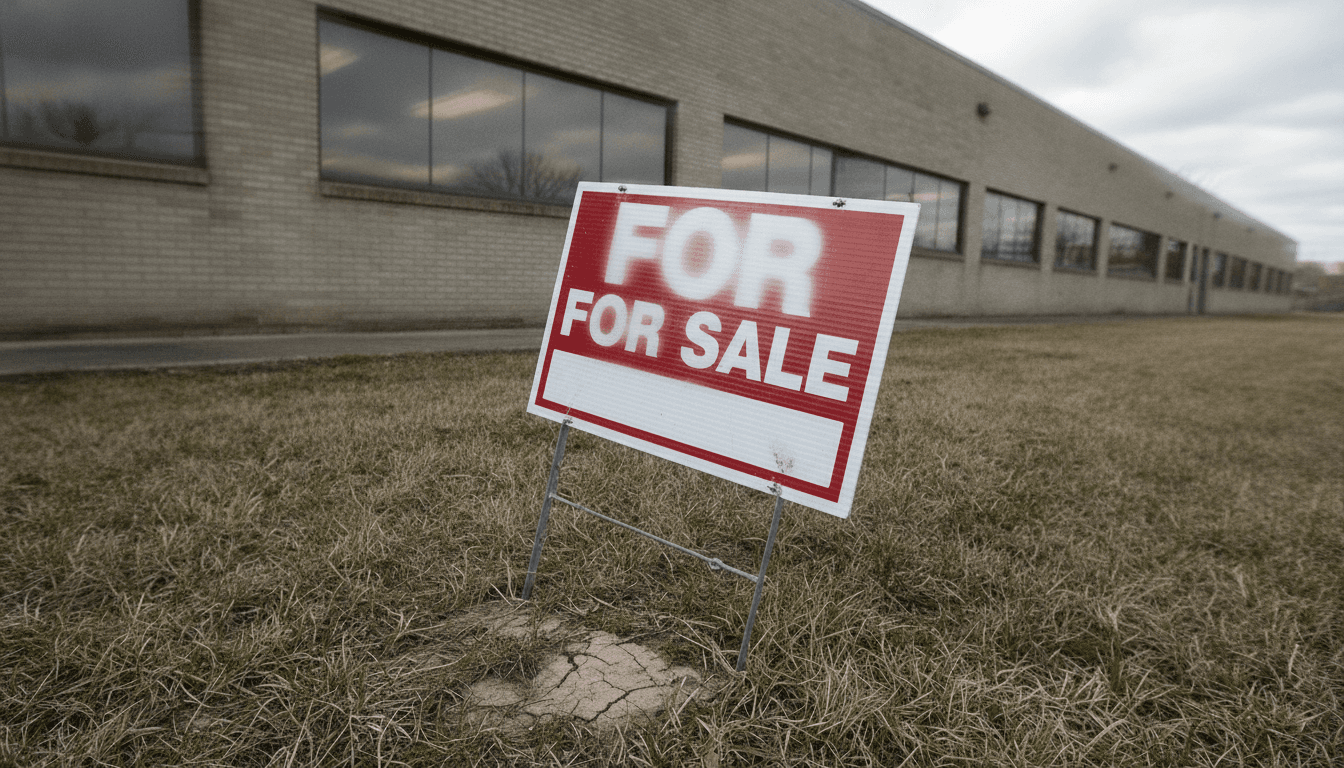
The affordability economy has created a housing market nobody predicted, with dramatic shifts now unfolding across the United States. As of Sunday, April 12, 2026, the Sun Belt, long a beacon for growth, is experiencing significant price collapses, while the Rust Belt, once overlooked, is witnessing soaring property values. This unexpected reversal challenges conventional wisdom and necessitates a deeper examination of the forces at play.
The Story: A Geographic Reversal
The core of this unprecedented housing market shift lies in a stark geographic reversal. For decades, the Sun Belt — encompassing states like Florida, Arizona, and Texas — has attracted residents with its warm climate, lower taxes, and perceived economic opportunities. This influx fueled sustained housing demand and appreciation. However, the recent data reveals a dramatic downturn, with home prices in these once-booming regions now in decline. Conversely, the Rust Belt, comprising states such as Michigan, Ohio, and Pennsylvania, is experiencing a resurgence. These areas, often characterized by their industrial heritage and more moderate cost of living, are now seeing property values climb significantly, creating an unexpected boom.
This phenomenon is directly attributed to the ‘affordability economy,’ a term that encapsulates the economic pressures driving consumers to prioritize lower costs of living over traditional amenities or perceived prestige. High inflation, rising interest rates, and stagnant real wages have made the previously aspirational Sun Belt increasingly unaffordable for many, pushing them towards regions where their purchasing power stretches further. The shift represents a fundamental re-evaluation of what constitutes an attractive place to live, with financial viability now taking precedence.
Impact Analysis of the Affordability Economy
The impact of this affordability economy on the broader real estate landscape is profound and multifaceted. For homeowners in the Sun Belt, the collapsing prices represent a significant erosion of wealth, potentially trapping them in properties worth less than their mortgage balances. This could lead to a rise in foreclosures and a downturn in local economies reliant on property taxes and consumer spending fueled by home equity. Developers in these regions face increased inventory and reduced demand, forcing them to re-evaluate ongoing projects and future investments.
In the Rust Belt, the soaring prices, while beneficial for existing homeowners, present new challenges. Rapid appreciation can quickly erode the very affordability that attracted new residents, potentially pricing out long-term residents and creating new pockets of housing scarcity. Local governments in these areas must grapple with infrastructure demands, public service provisions, and the need for controlled, sustainable growth to avoid the pitfalls of unchecked gentrification. This dynamic also has implications for labor markets, as companies may find it harder to attract talent if housing costs escalate too quickly, even in previously affordable areas. For further insights into regional market dynamics, explore our related real estate articles.
“The affordability economy has fundamentally reshaped the American housing map, proving that economic pressures can override decades of demographic trends and lifestyle preferences. This isn’t just a market correction; it’s a recalibration of value.”
Context & Background: A Shifting Paradigm
Historically, real estate trends have often followed job growth and lifestyle preferences, with warmer climates and burgeoning tech hubs driving demand. The 2010s saw a sustained migration to the Sun Belt, fueled by remote work flexibility and a desire for a different quality of life. However, the economic landscape of the mid-2020s, characterized by persistent inflationary pressures and a more constrained lending environment, has altered this paradigm. The ‘affordability economy’ began to take root as the cost of living, particularly housing, became an insurmountable barrier for many in previously desirable areas. This created a tipping point where the financial burden outweighed the perceived benefits of Sun Belt living, pushing homebuyers and renters alike to seek value elsewhere. The Rust Belt, with its existing infrastructure, lower cost of entry, and often resilient local communities, emerged as a viable alternative, leading to the current, unexpected market dynamics.
What’s Next: Navigating the New Normal
Looking ahead, the implications of this unprecedented housing market shift are significant. Policymakers in both collapsing and soaring markets will need to adapt quickly. Sun Belt cities may explore incentives to stabilize their housing markets and retain residents, potentially through property tax adjustments or affordable housing initiatives. Rust Belt communities will face the challenge of managing rapid growth sustainably, ensuring that new development meets demand without destroying the character or affordability that makes them attractive. Investors will likely pivot their strategies, seeking opportunities in emerging Rust Belt markets while exercising caution in previously overvalued Sun Belt areas.
The long-term trajectory will depend on several factors: the persistence of the affordability economy, future interest rate decisions by central banks, and the ability of local governments to respond effectively to these new trends. We could see a more balanced national housing market emerge, albeit one characterized by regional volatility as different areas adjust to their new realities. The fluidity of this market suggests that adaptability and foresight will be crucial for all stakeholders.
Key Takeaway: Reimagining Housing Value
This unprecedented housing market scenario underscores a fundamental re-evaluation of what constitutes value in real estate. The ‘affordability economy’ has demonstrated that economic necessity can override long-standing preferences, creating a dynamic where previously overlooked regions become hotbeds of demand, while once-dominant markets face steep declines. This shift challenges conventional wisdom, forcing investors, policymakers, and homebuyers to rethink their strategies and adapt to a new era where financial viability is the ultimate determinant of housing market success. The current trends suggest a more decentralized and economically driven housing landscape will define the latter half of the 2020s, with profound implications for urban planning, wealth distribution, and regional economic development across the nation.