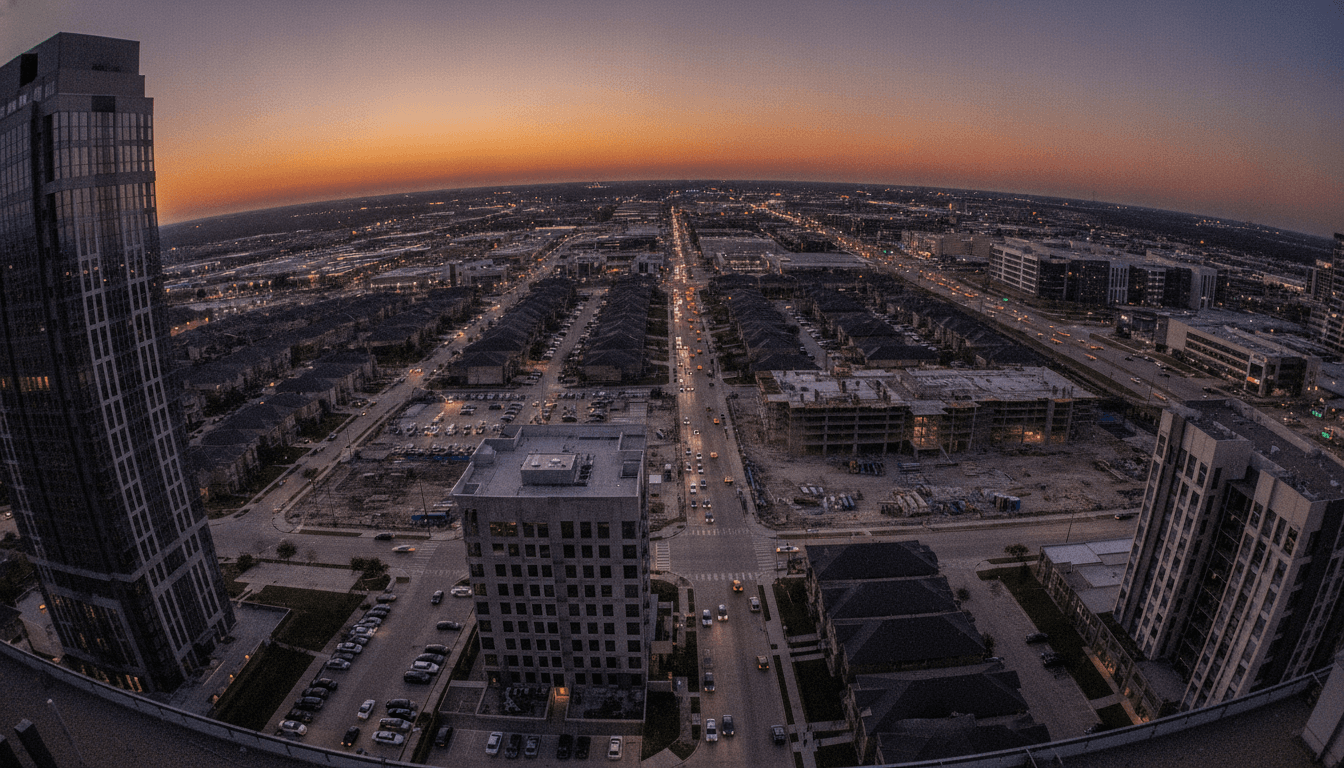
Four data trends are poised to significantly shape the Dallas-Fort Worth housing market as it enters the crucial summer selling season, according to a recent analysis by Dallas News on Saturday, June 13, 2026. These insights provide essential guidance for both prospective buyers navigating competitive landscapes and sellers aiming to optimize their property’s appeal and pricing strategies.
The Dallas-Fort Worth metroplex has consistently been a bellwether for broader national real estate shifts, characterized by robust population growth and a dynamic economic environment. Understanding these underlying currents is paramount for anyone engaging with the local property market, whether as an investor, a first-time homebuyer, or a seasoned seller. The identified trends touch upon critical aspects such as inventory levels, pricing adjustments, buyer demand, and the overall pace of transactions.
Impact Analysis
The implications of these four data trends extend beyond individual transactions, influencing the broader real estate landscape of North Texas. Sustained buyer demand, particularly in certain price segments, could continue to put upward pressure on home values, even as new inventory attempts to balance the market. Conversely, any softening in buyer sentiment or a significant surge in listings could lead to more competitive pricing from sellers.
For developers and builders, these trends offer crucial signals regarding future project viability and the types of housing most in demand. A persistent shortage in affordable housing, for example, might incentivize more entry-level home construction, while a cooling luxury market could prompt a reevaluation of high-end developments. Mortgage lenders will also be closely watching these indicators to adjust their offerings and risk assessments.
Context & Background
The Dallas-Fort Worth housing market has experienced a period of remarkable growth and volatility over the past few years. Following the pandemic-driven surge in demand and historically low interest rates, the region saw unprecedented price appreciation and intense bidding wars. More recently, rising interest rates introduced a period of rebalancing, leading to a moderation in price growth and an increase in time on the market for some properties. However, the underlying demographic tailwinds, including corporate relocations and job growth, continue to underpin strong demand for housing in D-FW.
Previous summer seasons have often been characterized by increased activity, as families aim to move before the start of the new school year. This historical pattern makes the current data trends particularly relevant, as they offer a glimpse into how this traditional peak season might unfold under current economic conditions. Related real estate articles have consistently highlighted the unique resilience and challenges within major Texas metros.
Dallas-Fort Worth housing market trends
The specific four data trends highlighted by the Dallas News provide granular detail. While the exact nature of each trend isn’t specified, they typically encompass metrics such as the median home sale price, the number of active listings, average days on market, and sales volume. For instance, if one trend indicates a slight increase in inventory, it could suggest a more balanced market favoring buyers, while a trend showing sustained price growth despite higher rates would underscore strong underlying demand.
“Understanding these granular data points is not just academic; it’s the difference between a successful transaction and a missed opportunity in a market as dynamic as Dallas-Fort Worth’s.”
Another trend might focus on specific submarkets within D-FW, revealing divergent performance across different price points or geographical areas. For example, suburban communities with excellent school districts might continue to see robust activity, while dense urban cores could experience different dynamics. These nuances are crucial for both buyers and sellers to tailor their strategies effectively. The collective impact of these four data trends will dictate the rhythm and opportunities of the summer market.
What’s Next
Looking ahead, the trajectory of the Dallas-Fort Worth housing market will largely depend on how these four data trends evolve in the coming months. Further interest rate decisions by the Federal Reserve, changes in regional employment figures, and continued migration patterns will all play significant roles. Buyers should remain agile, pre-approved for mortgages, and prepared to act decisively when suitable properties emerge. Sellers, conversely, should focus on strategic pricing, effective staging, and leveraging the expertise of local real estate professionals to navigate potential shifts in buyer sentiment.
The ongoing monitoring of these key indicators will be essential for all market participants. The summer season, traditionally a period of heightened activity, will offer the first real test of how resilient demand remains against evolving supply and economic headwinds. Continued analysis will be provided by publications like The Financial Standard, offering further insights into these complex market dynamics.
Key Takeaway
The Dallas-Fort Worth housing market is entering its summer season defined by critical data trends that demand close attention from both buyers and sellers. Navigating this period successfully will require a deep understanding of these indicators, enabling informed decisions that align with personal financial goals and current market realities. The region’s real estate landscape remains vibrant but complex, necessitating strategic approaches to secure favorable outcomes.