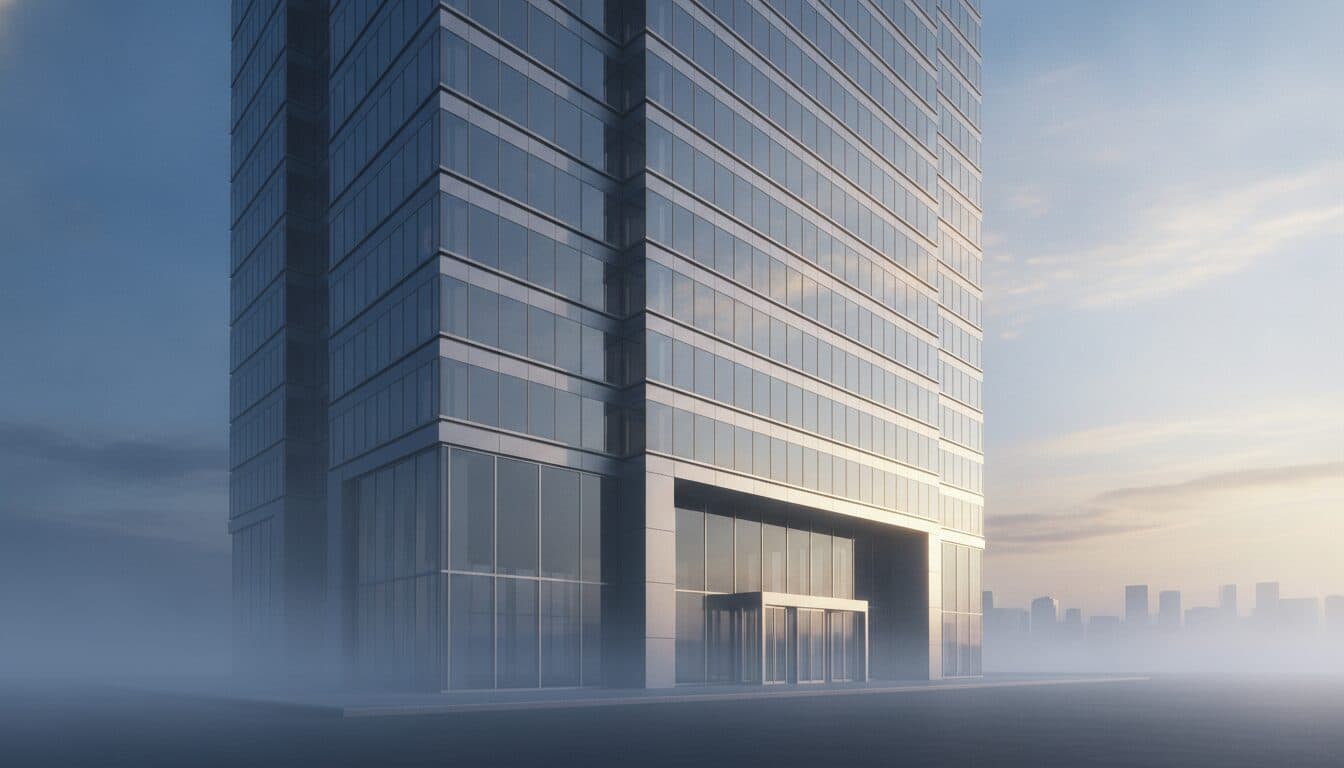
Luxury homes market heats up, leading the way in top-end property sectors, according to a report released on Wednesday, April 8, 2026. This surge in high-value real estate signals a robust and increasingly competitive environment for premium properties, contrasting with broader market trends and indicating strong investor confidence in the upper echelons of the housing market.
The Story: A Premium Property Surge
The latest market intelligence from Elite Agent reveals a significant acceleration in the luxury homes market. While specific locations or transaction volumes were not detailed, the overarching narrative points to a ‘heating up’ of top-end property markets. This suggests that buyers with substantial capital are actively engaging, driving demand and potentially pushing prices higher in exclusive segments. The report implies a sustained interest in high-net-worth individuals and investors seeking premium real estate, whether for primary residences, investment portfolios, or as a hedge against inflation.
“The current climate suggests a flight to quality, where discerning buyers are willing to pay a premium for exclusive properties with unique amenities and desirable locations.”
This trend is particularly noteworthy as it often acts as a bellwether for overall market sentiment, albeit for a niche segment. The resilience and growth observed in the luxury sector can sometimes foreshadow broader economic confidence or indicate a sustained wealth effect among affluent demographics. The report, while concise, underscores a clear shift in market dynamics where the upper end is outperforming other segments.
Impact Analysis
The heating up of the luxury homes market has several implications for the broader real estate landscape. Firstly, it highlights a deepening bifurcation within the property sector, where high-end properties are experiencing different demand drivers and price trajectories compared to mid-range or entry-level homes. This divergence can create challenges for policymakers aiming for a balanced housing market, as interventions designed for one segment may not apply to another.
Secondly, a strong luxury market can inject confidence into related industries, such as high-end construction, interior design, and bespoke services, creating jobs and stimulating economic activity. It also influences the perception of an area’s desirability, potentially attracting further investment and development in surrounding communities. Conversely, an overheated luxury market could raise concerns about affordability and accessibility across the entire housing spectrum, exacerbating existing inequalities.
For real estate agents and developers, this trend mandates a refined approach, focusing on the unique demands and expectations of affluent buyers. Marketing strategies, property presentations, and negotiation tactics must be tailored to cater to this sophisticated clientele. You can find more insights on market segmentation in our related real estate articles.
Context & Background
The current surge in the luxury homes market is not entirely unprecedented. Historically, periods of economic growth or significant wealth accumulation often correlate with increased activity in the high-end property sector. Post-pandemic, many global cities saw a renewed interest in larger homes, often with more outdoor space and dedicated work-from-home areas, a trend that likely continues to influence luxury buying decisions. Furthermore, geopolitical uncertainties can sometimes drive high-net-worth individuals to invest in tangible assets like luxury real estate, viewing it as a stable store of value.
Previous cycles have shown that while the luxury market can be resilient, it is not immune to economic downturns. However, its recovery often precedes or parallels that of broader markets, making its current acceleration a significant indicator. The availability of financing, global wealth migration patterns, and the appeal of specific geographic locations all play critical roles in shaping these trends.
What’s Next for Luxury Homes Market
Looking ahead, the trajectory of the luxury homes market will depend on several key factors. Continued economic stability, interest rate policies, and global wealth creation will undoubtedly influence demand. Any shifts in taxation policies or regulations targeting high-value assets could also impact investor sentiment. Industry analysts will be closely watching for sustained price growth, inventory levels, and the geographic spread of this ‘heating up’ phenomenon.
The emphasis will likely remain on unique properties offering exclusivity, privacy, and bespoke amenities. We can anticipate continued innovation in luxury property development, with a focus on sustainability, smart home technology, and wellness features. The competition among agents and developers for these high-value listings is expected to intensify, driving further specialization within the real estate profession. For an in-depth look at emerging real estate trends, explore our analysis of property market shifts.
Key Takeaway
The current momentum in the luxury homes market underscores its distinct nature and its capacity to lead real estate recovery or expansion. This segment, driven by affluent buyers and investors, often operates on different principles than the broader housing market, making its ‘heating up’ a critical signal for those tracking wealth trends and high-value asset performance. Its continued strength will likely shape investment strategies and development pipelines in the coming months, reflecting ongoing confidence in premium real estate as a valuable and sought-after asset class.