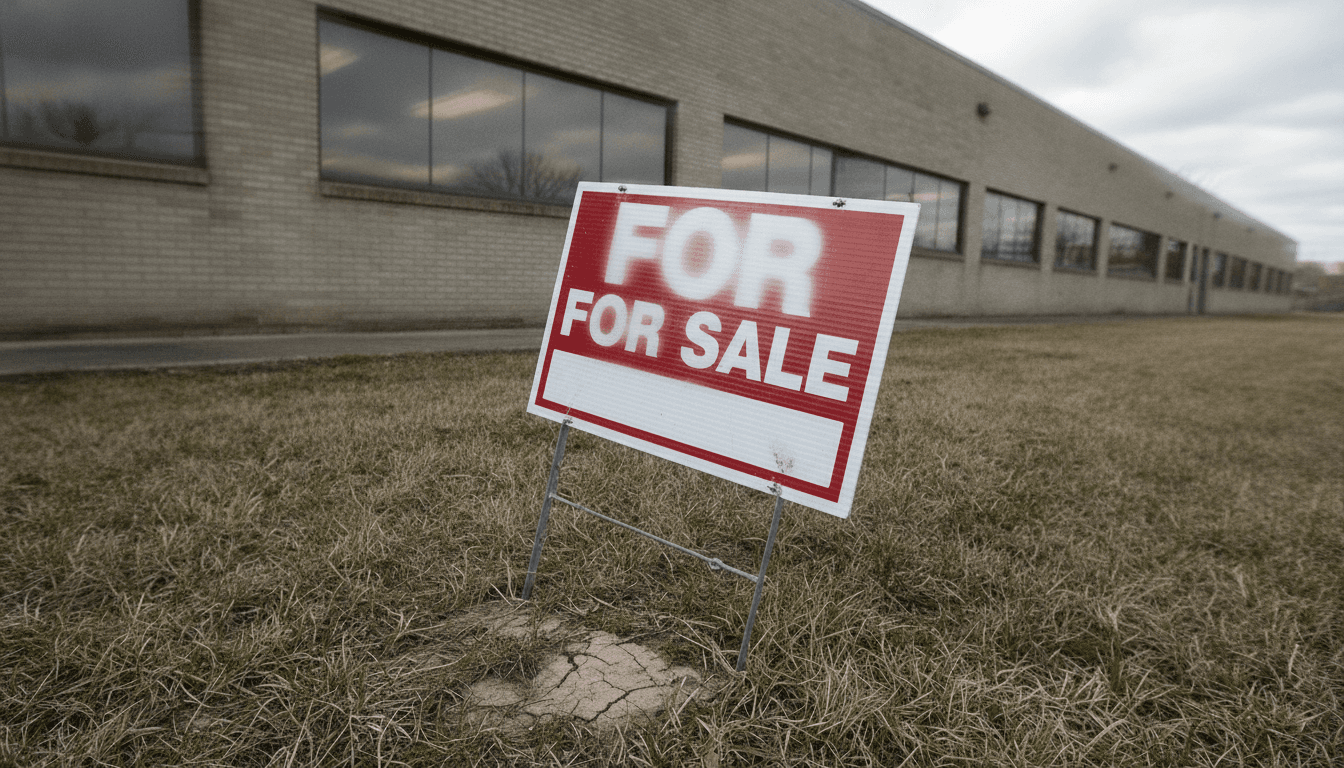
The Iran war upends spring housing market, creating significant ripples across the real estate sector as the expected seasonal surge fails to materialize. Real estate agents, who typically anticipate a bustling period of transactions and increased buyer activity during spring, are instead grappling with unprecedented uncertainty and a noticeable slowdown.
The specific details surrounding this disruption stem from a CNBC report dated Tuesday, April 7, 2026, which indicated that a survey on the housing market, intended to capture insights into the spring season, was directly impacted by the ongoing conflict. While the full content of the CNBC article remains inaccessible due to a temporary outage or relocation, the title itself, “Iran war upends spring housing market. Here’s what real estate agents are seeing,” unequivocally points to a direct causal link between geopolitical events and domestic real estate dynamics.
Impact Analysis: Geopolitics and Property Values
The immediate impact of the Iran war upends spring housing market scenario is a chilling effect on both buyer and seller confidence. Geopolitical instability often translates into economic uncertainty, leading potential homebuyers to postpone major purchases. Similarly, sellers might hesitate to list their properties, fearing a depreciated market or a prolonged sales process. This creates a supply-demand imbalance, not necessarily due to fundamental market shifts, but rather due to a freeze in activity.
Mortgage rates, typically sensitive to global events and investor sentiment, are likely to experience volatility. Even if central banks attempt to stabilize the economy, the perceived risk associated with a conflict involving a major oil-producing region can drive up borrowing costs. This would further dampen buyer enthusiasm, particularly for first-time homebuyers already struggling with affordability.
“The immediate halt in market momentum signals a profound psychological shift, where global events now dictate local property decisions more directly than ever before.”
Furthermore, consumer spending patterns could shift dramatically. With concerns over energy prices, supply chain disruptions, and broader economic stability, households may prioritize saving over discretionary spending or large investments like property. Real estate agents, as indicated by the CNBC report, are likely witnessing a significant drop in showings, fewer offers, and an increase in withdrawn listings.
The Broader Real Estate Landscape
This situation unfolds against a backdrop of what was, until recently, a robust, albeit challenging, housing market. Prior to the Iran war upends spring housing market shock, many regions were grappling with issues of limited inventory, high demand, and escalating property values. The spring season was widely anticipated as a period of potential rebalancing, with new listings expected to provide some relief to buyers.
However, the current geopolitical climate has introduced an entirely new variable. Unlike previous market corrections driven by economic recessions or interest rate hikes, this disruption is externally driven, making its duration and ultimate impact harder to predict. The ripple effect could extend beyond residential sales to commercial real estate, as businesses might scale back expansion plans or delay new leases in an uncertain economic environment. This also has implications for real estate development, with new projects potentially being delayed or put on hold due to financing concerns and reduced demand projections.
What’s Next: Navigating the Uncertainty
The immediate future for the housing market remains highly dependent on the evolving geopolitical situation. Should the conflict escalate or prolong, the current market stagnation could deepen, potentially leading to price corrections in some areas. Conversely, a swift resolution, while unlikely to immediately reverse the current sentiment, could pave the way for a gradual recovery in confidence and activity.
Real estate agents and industry professionals will need to adapt quickly. This could involve focusing on flexible contract terms, offering more virtual tours, and providing robust market analysis to help clients navigate the uncertainty. Policymakers, too, might consider interventions to stabilize the market, although the nature of an externally-driven crisis makes direct real estate-specific solutions challenging. The coming months will be critical in assessing the true depth and breadth of this unprecedented disruption to the spring housing market.
Key Takeaway: Geopolitics’ Unforeseen Grip on Housing
The primary takeaway from this developing story is the stark revelation of how deeply intertwined global geopolitical events are with the seemingly localized dynamics of the housing market. The Iran war upends spring housing market narrative serves as a potent reminder that even the most predictable seasonal trends can be completely derailed by external shocks. For real estate investors, homeowners, and prospective buyers, understanding this interconnectedness is no longer a peripheral concern but a central pillar of informed decision-making in an increasingly volatile world. The resilience and adaptability of the real estate sector will be severely tested as it navigates these turbulent waters, with long-term implications for property values, investment strategies, and the very fabric of housing market expectations.