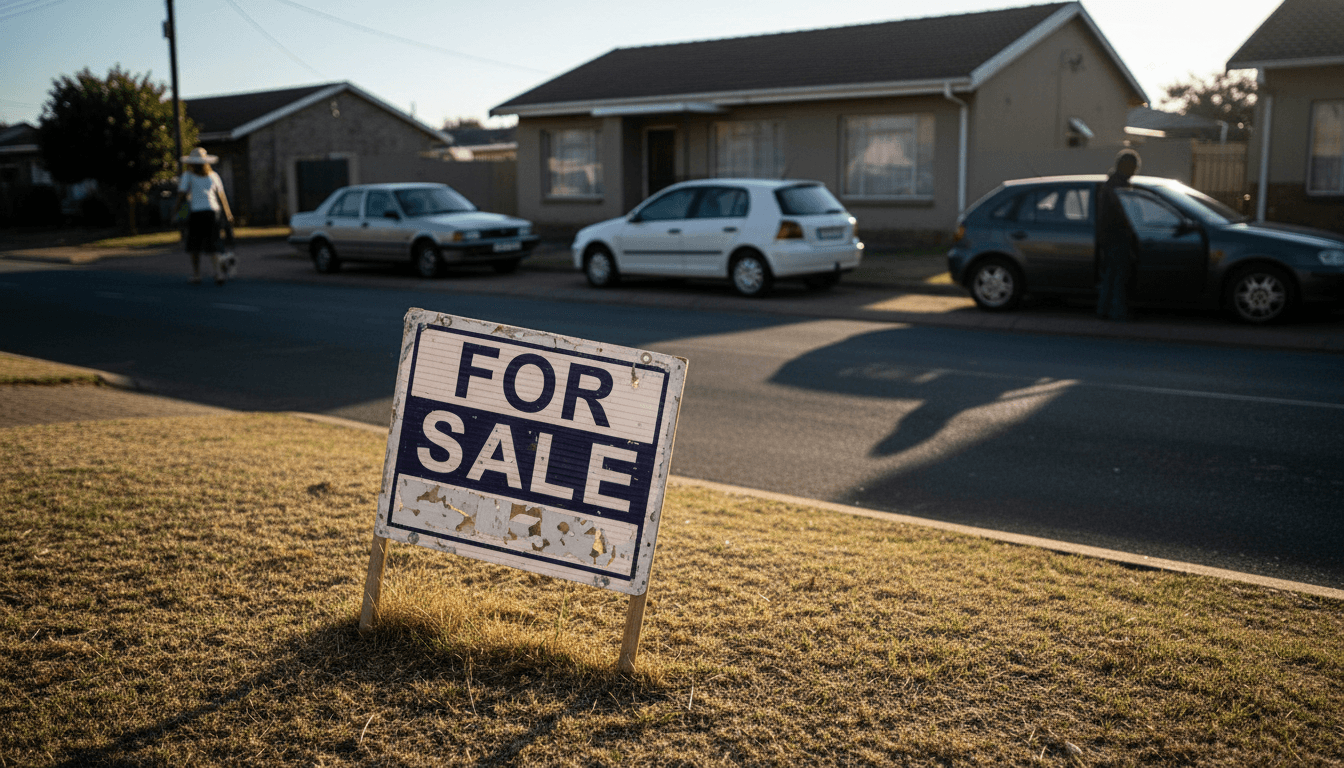
Declining sales in the South African property market are raising significant red flags, signaling a potential shift in buyer behavior and market dynamics, as reported by EWN on Tuesday, April 14, 2026. The most concerning aspect of this downturn is the notable reduction in first-time buyers, a demographic crucial for market health and expansion. This trend suggests a broader economic pressure impacting affordability and confidence among those typically entering the property ladder.
The Story: A Market Under Pressure
The recent report from EWN highlights a worrying confluence of factors impacting the South African real estate sector. While specific figures were not disclosed, the emphasis on “declining sales” and “fewer first-time buyers” points to a systemic issue rather than isolated incidents. This scenario suggests that the cost of homeownership, coupled with prevailing economic conditions, is creating substantial barriers to entry for a vital segment of the market. The absence of these new entrants can have a cascading effect, slowing overall market velocity and impacting property value appreciation.
Impact Analysis: Broader Real Estate Landscape
The implications of declining sales and a shrinking pool of first-time buyers extend far beyond individual transactions. For developers, this translates to slower uptake of new projects and increased holding costs, potentially leading to a reduction in future developments. Existing homeowners may face challenges in selling their properties, particularly in the entry-level and mid-market segments, as the pool of potential buyers diminishes. This can lead to longer listing times and, in some cases, downward pressure on asking prices. Mortgage lenders are also likely to feel the pinch, with fewer new loans being originated and a potential increase in default rates if economic pressures on homeowners intensify. This shift could impact the overall liquidity and stability of the housing finance sector, prompting a review of lending criteria and risk assessments. Related real estate articles have previously explored the delicate balance required to maintain a vibrant property ecosystem.
“The dwindling presence of first-time buyers is not just a statistic; it’s a bellwether for the long-term health and accessibility of our housing market.”
Context & Background: A Shifting Economic Tide
This latest report from EWN on declining sales resonates with broader economic anxieties that have been simmering in South Africa. Factors such as persistent inflation, elevated interest rates, and a generally constrained economic environment have eroded consumer purchasing power. Historically, first-time buyers have been a resilient force, often leveraging government incentives or more flexible financing options. However, the current climate appears to be overwhelming these mitigating factors. Previous periods of economic strain have shown similar patterns, where market activity slows, and buyers become more cautious, prioritizing financial stability over property investment. The current trend suggests a more pronounced and perhaps prolonged period of adjustment for the sector. Understanding these dynamics is crucial for investors and policymakers alike. For more analysis on market trends, visit our real estate section.
What’s Next: Future Implications and Decisions
The immediate future for the South African property market looks challenging if current trends persist. Policymakers and financial institutions will likely need to explore strategies to re-energize the market, particularly for first-time buyers. This could involve revised lending criteria, targeted government subsidies, or initiatives to boost economic growth and job creation, thereby improving consumer confidence. Developers may need to adapt their strategies, focusing on more affordable housing options or innovative financing models to attract a cautious buyer base. Predictions suggest that without significant intervention or a positive economic turnaround, the market could experience a sustained period of subdued activity, with price growth remaining flat or even declining in real terms. The coming months will be critical in observing whether these declining sales become a sustained pattern or if market forces find a new equilibrium.
Key Takeaway: Why This Matters
The concerns raised by EWN regarding declining sales and fewer first-time buyers are not merely statistical anomalies; they represent fundamental challenges to the accessibility and sustainability of the South African property market. A healthy real estate sector is a cornerstone of economic stability, facilitating wealth creation, stimulating construction, and supporting numerous ancillary industries. When the entry point for new buyers becomes increasingly difficult, it signals a broader societal issue around affordability and economic opportunity. Addressing this trend will require a concerted effort from all stakeholders to ensure that homeownership remains an achievable dream for future generations and that the property market continues to contribute positively to the nation’s economic landscape.