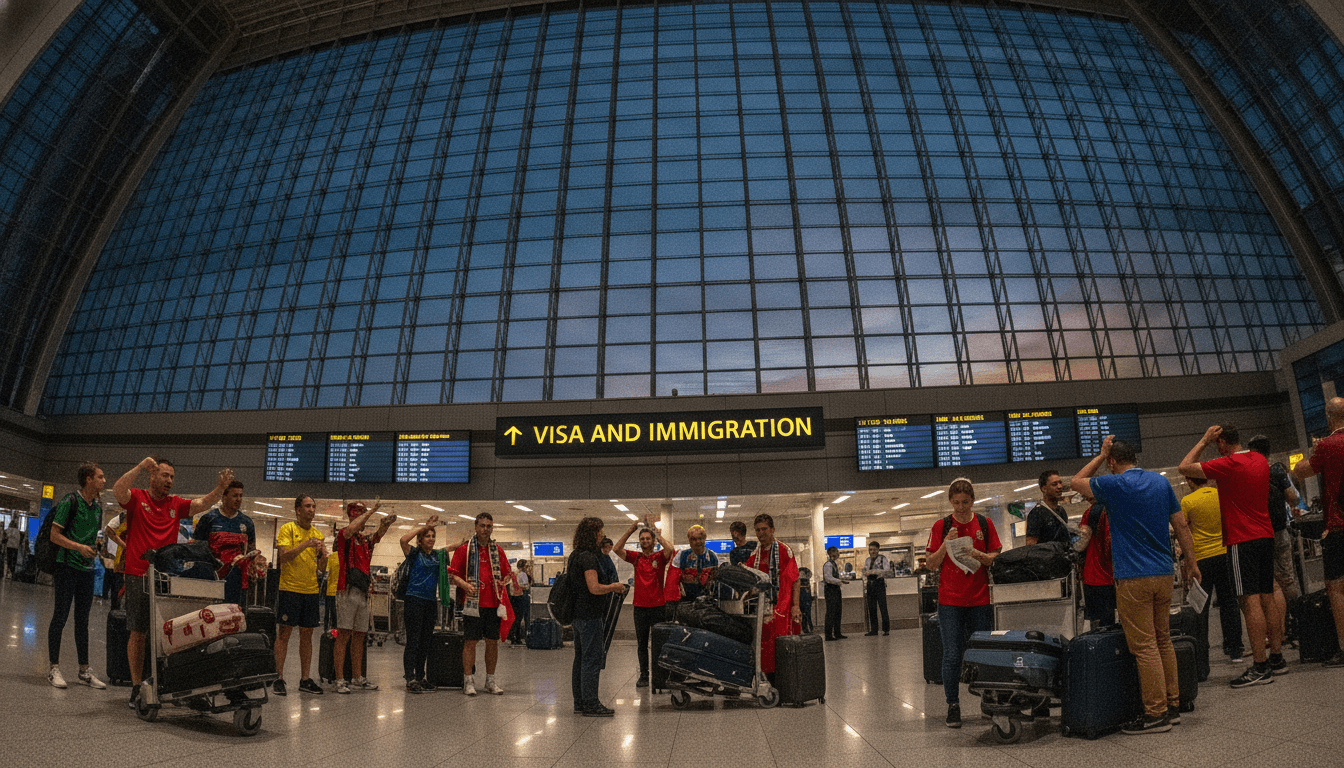
Fans’ anger at US travel bans and visa restrictions is casting a significant shadow over the highly anticipated 2026 FIFA World Cup, with many supporters feeling excluded from an event they believe should be a global celebration. The sentiment, encapsulated by the phrase ‘A World Cup for them not us,’ highlights a growing chasm between the host nation’s immigration policies and the inclusive spirit typically associated with major international sporting events. This widespread frustration, reported on Monday, June 8, 2026, by the BBC, points to a potentially diminished fan experience and significant economic repercussions for the US tourism sector.
The core of the issue stems from the United States’ stringent entry requirements, which many international football fans find prohibitive. While the BBC report doesn’t detail specific policies, the general outcry suggests that visa application processes, eligibility criteria, and perceived discriminatory practices are creating insurmountable hurdles for a substantial segment of the global fan base. This situation affects not only fans from nations with complex diplomatic relations with the US but also those from countries where obtaining a US visa is historically challenging. The ‘A World Cup for them not us’ sentiment underscores a feeling of alienation among these supporters, who had envisioned attending the pinnacle of international football.
Impact Analysis: US Travel Bans and Visa Restrictions
The implications of these US travel bans and visa restrictions extend far beyond individual disappointment. For the broader travel and tourism landscape, the controversy threatens to undermine the economic windfall typically associated with hosting a World Cup. Millions of international visitors inject billions of dollars into host economies through spending on accommodation, transportation, food, merchandise, and local attractions. A significant reduction in fan attendance due to these restrictions could lead to lower-than-projected revenues for airlines, hotels, hospitality businesses, and local vendors across the numerous host cities.
“The ‘A World Cup for them not us’ outcry is a stark reminder that major sporting events are as much about cultural exchange and accessibility as they are about athletic competition. Restrictive policies risk turning a global spectacle into an exclusive affair, alienating a crucial segment of the audience and impacting the event’s broader legacy.”
Furthermore, the negative sentiment generated by these policies could damage the United States’ reputation as a welcoming tourist destination. In an increasingly competitive global tourism market, perceptions of ease of entry and hospitality play a critical role. This incident could deter future leisure and business travel to the US, long after the World Cup concludes. The travel industry has been working tirelessly to rebound post-pandemic, and such barriers to entry, especially for a high-profile event, are counterproductive to these recovery efforts. Related travel & tourism articles have often highlighted the importance of streamlined visa processes for major events.
Context & Background: A History of Visa Challenges
The challenges surrounding US visa policies for major international events are not entirely new. While the scale of the 2026 World Cup amplifies the issue, previous sporting events and cultural gatherings in the United States have faced similar criticisms regarding accessibility for international attendees. The US immigration system, designed with national security as a primary focus, often struggles to adapt to the temporary, high-volume influx of visitors that mega-events like the World Cup demand. This inherent tension between security protocols and the desire for broad international participation creates the conditions for the current ‘A World Cup for them not us’ narrative.
The 2026 World Cup, co-hosted by the United States, Canada, and Mexico, was touted as an opportunity to showcase North American hospitality and diversity. However, the current fan anger suggests that the US component of this joint bid is struggling to live up to that promise for many international supporters. The contrast with Canada and Mexico’s potentially more lenient entry requirements could further exacerbate the perception that the US is the primary bottleneck for global fans.
What’s Next: Calls for Policy Review
As the 2026 World Cup draws closer, pressure will undoubtedly mount on US authorities to address the fans’ anger at US travel bans and visa restrictions. While a complete overhaul of immigration policy is unlikely in the short term, there may be calls for expedited visa processing, clearer communication on requirements, or even temporary visa waivers for certain categories of World Cup ticket holders from specific countries. The FIFA organizing committee, along with local host committees, will likely engage in discussions with government agencies to mitigate the negative impact and ensure a more inclusive atmosphere.
The coming months will be crucial in determining whether the US can alleviate some of the concerns expressed by the ‘A World Cup for them not us’ movement. The decisions made regarding entry policies will not only shape the attendance figures for the tournament but also influence the long-term perception of the United States as a global host for major events.
Key Takeaway: Balancing Security and Inclusivity
The current controversy surrounding US travel bans and visa restrictions for the 2026 World Cup serves as a critical case study in the delicate balance between national security imperatives and the economic, cultural, and reputational benefits of hosting major international events. For the travel and tourism industry, the episode underscores the vital importance of seamless international access. A truly global spectacle requires policies that welcome the world, not just a select few. The sentiment of ‘A World Cup for them not us’ is a powerful indicator that when this balance is not struck, the very spirit and success of such events are jeopardized, with lasting implications for host nations and the global tourism sector.